nn
Skip to content
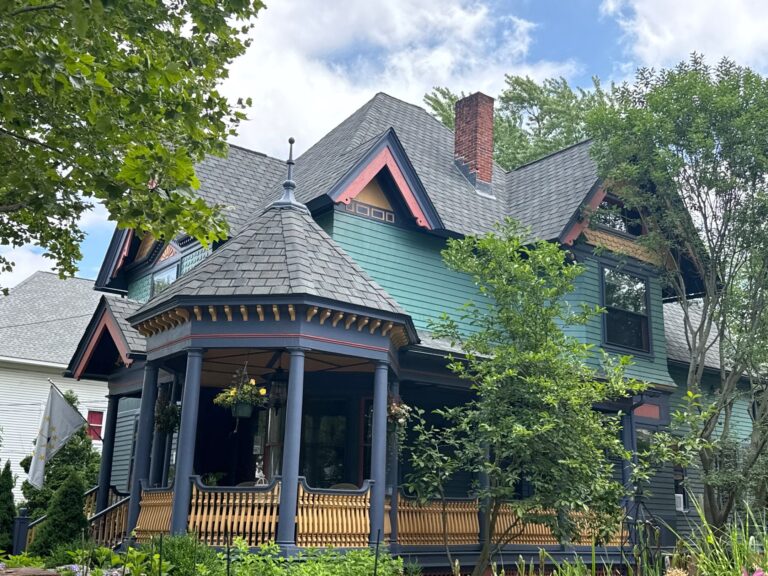
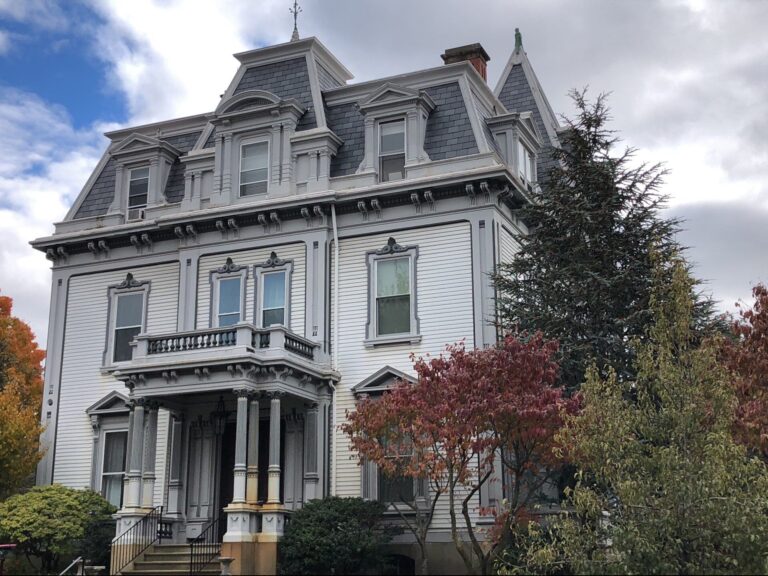
Preserving Providence’s character while delivering modern protection—that was the goal for this historic home roof replacement. Materials were carefully selected
Just wrapped up in Providence, RI: a Residential Roof Replacement completed by Pinnacle Roofing & Skylights. At Pinnacle we know
Preserving Providence’s character while delivering modern protection—that was the goal for this historic home roof replacement. Materials were carefully selected
Every historical roof replacement we complete in Central Falls follows a structured approach designed for these specialized projects. The process starts with a thorough on-site evaluation of the existing roof, the home’s architectural style, structural framing capacity, and any historical details requiring preservation. For Triple-deckers near Mill buildings (historic references), we document everything from decorative cornices to original trim profiles that the installation must protect. If the property may fall under historic commission oversight, we research the specific requirements before recommending materials. Material recommendations account for the home’s period, the structural load the framing can support, commission preferences, and the homeowner’s budget and maintenance expectations. We present clear options with honest trade-offs — there is no one-size-fits-all answer for historic homes throughout Urban blocks (tight-knit city setting) and properties along Mill buildings (historic references). Our crews are trained in careful tear-off techniques that protect the architectural elements that make these homes special, and we contain debris meticulously to protect landscaping within Broad Street corridor.


For historic homes in Central Falls where natural slate or shake is not required by a commission, luxury-grade asphalt shingles provide excellent period aesthetics at a fraction of the cost. Properties near Mill buildings (historic references) with Triple-deckers often choose this option.
Luxury-grade asphalt from CertainTeed, GAF, and Owens Corning has advanced to the point where premium product lines closely approximate the dimensional appearance of natural slate and wood shake. For Central Falls homeowners throughout Mill buildings (historic references) with Triple-deckers that don’t require commission-specified materials, these shingles offer the most accessible entry point to historically sensitive roofing. CertainTeed’s Belmont line, GAF’s Grand Sequoia, and the Owens Corning Berkshire Collection all create the layered, textured appearance that suits period architecture. No structural reinforcement is needed — these products install on standard roof framing. Lifespans range from 30 to 50 years depending on product line, exposure to Coastal wind-driven rain, and ventilation quality.
Composite slate replicates the appearance of quarried slate at a fraction of the weight and cost, making it one of the most popular choices for Central Falls historical roof replacement projects near Mill buildings (historic references).
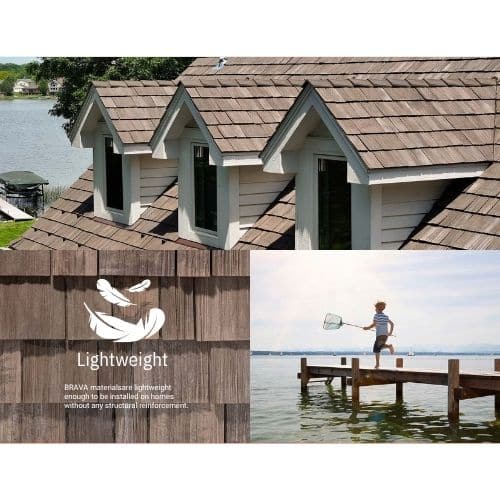
DaVinci Roofscapes and Brava Roof Tile produce composite slate that replicates quarried stone’s color, texture, and profile with remarkable accuracy. Composite slate solves the problem of wanting authentic appearance without the extreme weight and cost of natural stone. Structural reinforcement is unnecessary — these lightweight tiles install on existing framing. Impact resistance handles challenging climates that would crack natural slate, and 50-plus year lifespans mean the investment lasts. Multi-width profiles give the varied, natural look that commissions expect on period homes throughout Urban blocks (tight-knit city setting). Composite slate has gained acceptance with many Rhode Island historic district commissions as a practical alternative that preserves aesthetic integrity.
Shake roofing — natural or composite — restores the original wood character that many of Central Falls’s oldest homes near Mill buildings (historic references) were built with, from colonial farmhouses to Cape-style properties.
Both natural cedar and DaVinci composite shake serve historic homes where wood roofing was original. Composite shake eliminates the fire risk, rot, and constant maintenance that natural cedar demands while delivering 50-plus years of protection. For Triple-deckers near Mill buildings (historic references), the appearance is virtually indistinguishable from hand-split cedar at street level. Natural cedar remains an option for homeowners throughout Urban blocks (tight-knit city setting) who prioritize absolute authenticity — it weathers to the silver-gray patina that defines many older New England homes within Broad Street corridor. Cedar lifespans run 20 to 30 years with regular upkeep, shorter where moisture and shade dominate. We help homeowners weigh the trade-offs between natural and composite shake, factoring in commission requirements, local conditions including Coastal wind-driven rain, and long-term maintenance expectations.
Brava’s Cedar Shake profile provides the natural wood look Central Falls historic homeowners near Mill buildings (historic references) want with the fire safety, durability, and low maintenance that modern materials deliver.
Brava Cedar Shake tiles replicate natural cedar’s texture and color variation using recycled materials and precision molding. The appearance satisfies both homeowners and commissions while eliminating cedar’s fire risk, rot susceptibility, and maintenance demands. Class A fire ratings make Brava a responsible choice for properties within Broad Street corridor with mature tree cover. UV-stable coloring maintains the roof’s appearance over decades without the silvering that natural wood undergoes. At 50-plus years of expected lifespan with virtually no maintenance, Brava Cedar Shake costs less over time than natural cedar despite a higher initial investment. Commissions frequently approve these tiles for historic homes that need the wood shake look without the practical drawbacks.
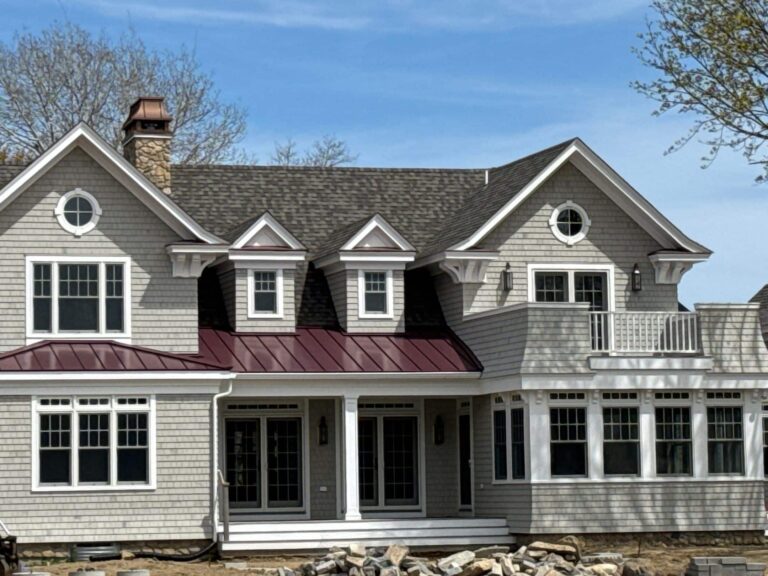
Many historic homes in Central Falls near Mill buildings (historic references) originally featured tin or metal on porch roofs and low-slope transitions. Standing seam metal restores these authentic architectural details.
Porch roof metal — whether original tin or terne coating — is a signature detail on many historic homes. Original installations eventually corrode, leak, and lose their visual refinement. Standing seam metal restoration brings back this important architectural element with modern performance. Copper accent roofing is historically appropriate where documentation or original remnants prove it was used on Triple-deckers near Urban blocks (tight-knit city setting), and its evolving green patina ages beautifully over decades. Metal’s ability to conform to complex angles — Victorian porch railings, dormers, bay window crowns near Broad Street corridor — makes it irreplaceable for detailed historic homes. Shedding efficiency under challenging weather conditions is excellent. Historic commissions almost universally require metal for original porch roof areas, making proper restoration essential to commission approval.
Choosing the right material for a historical roof replacement near Mill buildings (historic references) in Central Falls involves balancing authenticity, structural requirements, maintenance, cost, and commission acceptance.
For homeowners comparing materials: natural slate delivers 75 to 150 years but carries extreme weight and cost. Composite slate from DaVinci and Brava replicates slate appearance at a fraction of the weight with 50-plus year lifespans — many commissions accept it. Natural cedar shake is authentic for colonial homes but needs regular maintenance and lasts 20 to 30 years. Composite cedar shake from Brava eliminates fire risk and rot while matching the appearance for 50-plus years. Premium asphalt is most affordable for Triple-deckers throughout Urban blocks (tight-knit city setting), lasting 30 to 50 years. Metal serves porch roofs and accent areas within Broad Street corridor. Each material has different commission acceptance levels depending on the designation. We present these options side by side during your assessment so you can make an informed choice based on your home’s specific needs.
We work with manufacturers whose products are designed or suitable for historic applications. DaVinci Roofscapes manufactures composite slate and shake profiles engineered to replicate natural materials with modern durability — ideal for Triple-deckers near Mill buildings (historic references). Brava Roof Tile produces composite cedar shake and slate tiles from recycled materials, offering Class A fire ratings and UV-stable coloring. CertainTeed’s Belmont and Grand Manor luxury asphalt lines provide dimensional depth that approximates natural materials for homes outside strict commission requirements throughout Urban blocks (tight-knit city setting). CertainTeed also manufactures the Integrity Roof System components that form the foundation of every properly installed roof. GAF’s Camelot and Grand Sequoia profiles and Owens Corning’s Berkshire Collection round out the premium asphalt options. For metal accent areas on homes within Broad Street corridor, Firestone Una-Clad standing seam systems provide the durability and clean profiles appropriate for historic porch roof restoration. We help homeowners navigate these choices, matching the right product to the home’s style, commission requirements, and budget.
The roofing system beneath the visible material matters as much as the material itself. For historic homes in Central Falls near Mill buildings (historic references), proper system integration protects structures that cannot be easily repaired.
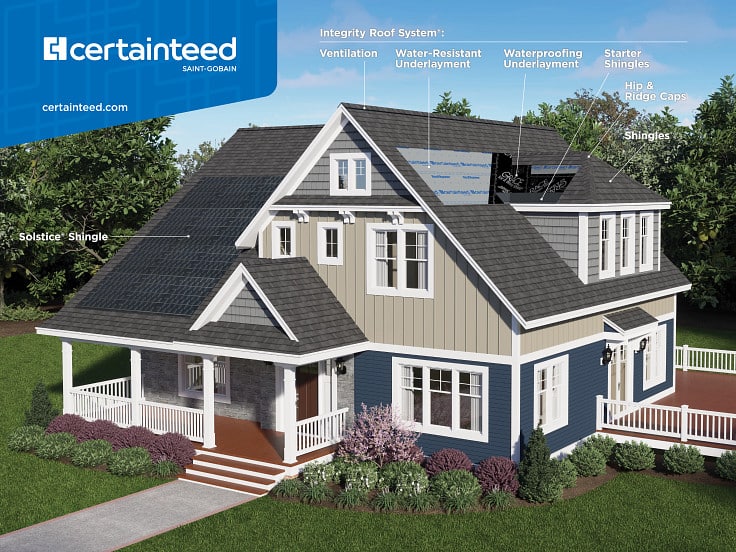
A properly engineered roofing system is the foundation of historical roof replacement success. We design each system using CertainTeed Integrity Roof System principles adapted to the specific home’s architecture. Waterproofing underlayment protects critical junctures at eaves, valleys, and penetrations most vulnerable to water infiltration — essential for Triple-deckers near Mill buildings (historic references) with complex geometry. Full-deck synthetic underlayment adds redundant moisture protection. Starter course installation ensures bottom-row shingles withstand Coastal wind-driven rain. Selected historic material installs per manufacturer specifications to preserve warranty coverage. Ridge and hip caps match the primary material visually and functionally. Integrated ventilation draws moisture away from structural wood and insulation while remaining invisible on Triple-deckers throughout Urban blocks (tight-knit city setting). Custom-fabricated flashing for chimneys, dormers, walls, and corner conditions within Broad Street corridor distinguishes exemplary historic work from basic installation; improper flashing is the leading cause of leaks on historic homes.
Eight structured steps guide every historical roof replacement we undertake. First, we conduct detailed on-site assessment covering existing roof condition, architectural period, structural capacity, and preservation priorities specific to Triple-deckers near Mill buildings (historic references). Second, we research the home’s historical period and verify any local or state commission jurisdiction. Third, where commissions have authority, we prepare comprehensive applications with material specifications, color samples, and installation approach documentation. Fourth, we present material recommendations matching the home’s character, satisfying requirements, and fitting your budget—always with honest trade-offs explained. Fifth, we provide detailed written estimates itemizing materials, labor, structural work if required, and realistic timeline. Sixth, we source specialty materials (natural slate, composite products, custom metalwork near Broad Street corridor) with appropriate advance ordering. Seventh, we execute installation with protective tear-off procedures safeguarding existing trim and details along Urban blocks (tight-knit city setting), proper system layering, and manufacturer-compliant material installation. Eighth, we conduct final walkthrough inspection with documentation supporting commission records where applicable. Communication remains transparent throughout—you understand each phase and its purpose.
Historic roofs on Triple-deckers near Mill buildings (historic references) in Central Falls develop specific problems over time that differ from issues found on newer homes. Recognizing these conditions helps homeowners understand the scope of replacement.
Historic homes develop characteristic problems over time. Deteriorating primary materials — cracked or missing slate, rotting wood shake, rust-compromised metal porch roofing — represent the most obvious damage. Flashing failures at chimneys, dormers, and wall transitions are frequent culprits in leak development on Triple-deckers throughout Urban blocks (tight-knit city setting), as original lead and galvanized fasteners corrode through decades. Structural stress manifests as sagging ridges or bowing walls from the cumulative weight of heavy materials like natural slate. Ice dam formation plagues homes near Broad Street corridor that lack modern insulation and ventilation, especially in harsh climate zones. Accumulated patch repairs using mismatched materials, roofing cement, and improper techniques create a patchwork appearance and compromise both function and character. Some properties received basic three-tab asphalt re-roofing at some historical point, obscuring the original period material entirely—this actually presents an opportunity for restoration. Biological growth (moss, lichen, algae) colonizes shaded roofs and accelerates decay. Our thorough assessment identifies every issue, not just surface problems.
Lifespan expectations for historical roofing in Central Falls depend heavily on the material chosen and the conditions the roof faces near Mill buildings (historic references).
Natural slate leads all roofing materials with lifespans of 75 to 150 years or more, though the fasteners and flashing components need replacement sooner on homes near Mill buildings (historic references). Natural cedar shake delivers 20 to 30 years with regular maintenance — somewhat less in areas with heavy moisture within Broad Street corridor. Composite slate from DaVinci and Brava provides 50-plus year lifespans with minimal maintenance on Triple-deckers throughout Urban blocks (tight-knit city setting). Composite cedar shake similarly delivers 50-plus years without rot, fire risk, or maintenance demands. Premium architectural asphalt in luxury product lines offers 30 to 50 year lifespans depending on product and exposure to local weather. Standing seam metal and copper accent roofing lasts 50 to 100 years or more. Heavy moisture and shade within Broad Street corridor can promote moss and algae growth that affects material longevity. Proper material selection and installation practices appropriate to your property’s conditions help ensure your historical roof delivers its full expected lifespan.
There comes a point when repairs on Triple-deckers near Mill buildings (historic references) in Central Falls stop making economic sense and a full historical roof replacement becomes the better investment.
Signs that your historic roof needs replacement include widespread cracking, spalling, or missing pieces on slate or shake near Mill buildings (historic references); multiple areas of failed flashing with recurring leaks; visible sagging suggesting structural fatigue; extensive moss, algae, or rot compromising the material; multiple previous patches using mismatched materials; and interior water staining or plaster damage indicating persistent leaks. If your historic home throughout Urban blocks (tight-knit city setting) was re-roofed with basic asphalt at some point and those shingles are approaching end of life, this presents an opportunity to restore period-appropriate materials. We provide honest assessments for Triple-deckers within Broad Street corridor — we never recommend a full replacement when targeted repairs would adequately protect the home. But when ongoing repairs are no longer cost-effective or are compromising the home’s character, a thoughtful replacement with the right materials is the best investment.
Choosing the right contractor for a historical roof replacement on Triple-deckers near Mill buildings (historic references) in Central Falls affects not just the installation but the preservation of irreplaceable architectural character.
Choosing us for historical roof replacement means selecting a contractor who specializes exclusively in period homes and understands what Triple-deckers require. We don’t approach historic work like standard residential roofing—we research architectural periods, coordinate with commissions, and employ installation practices that protect the details that make these homes irreplaceable. Our teams carefully preserve decorative trim, cornices, and moldings throughout Urban blocks (tight-knit city setting) during tear-off. We fabricate custom flashing matched to each home’s unique conditions and geometry. Debris is contained professionally to protect period landscaping. Licensed for both residential (39446) and commercial (261) applications across Rhode Island and fully insured. We provide honest assessments and transparent, detailed estimates that explain every line item. Historic homes are built from irreplaceable materials and craftsmanship—we treat the restoration with the same respect and expertise those homes deserve.
Historical roof replacement on Triple-deckers near Mill buildings (historic references) in Central Falls typically costs more than standard residential work due to material selection, roof complexity, custom metalwork, and the additional care required.
What drives cost on a historical roof replacement: material (natural slate highest, premium asphalt most affordable), roof geometry (historic homes near Mill buildings (historic references) typically have complex multi-plane rooflines), custom metalwork (essential around architectural details on Triple-deckers throughout Urban blocks (tight-knit city setting)), structural assessment (especially for heavy materials), commission fees and timeline, specialty material lead times, and careful tear-off protecting existing trim within Broad Street corridor. We provide detailed estimates that break down each component transparently. Visit our Rhode Island roof cost guide for general information. Financing through Synchrony Financial with 0% interest options and low monthly payments makes the investment in your historic home’s future more accessible.
Storm-Damaged Roofs Require Fast Action
When you find storm damage on your roof in Rhode Island, swift action can be crucial. Contacting trusted roofing professionals like us for a thorough inspection. Our expert team will assess the damage and determine if roof repairs or roof replacement is recommended. With New England’s predictably unpredictable weather, it is important repairs happen quickly to prevent further loss.