FREE Storm-Proof Upgrade with every Full Roof Installation!

EPDM Membrane

Long Lasting Rubber Roofing

EPDM Rubber Roofing for Flat and Low Slope Roofs

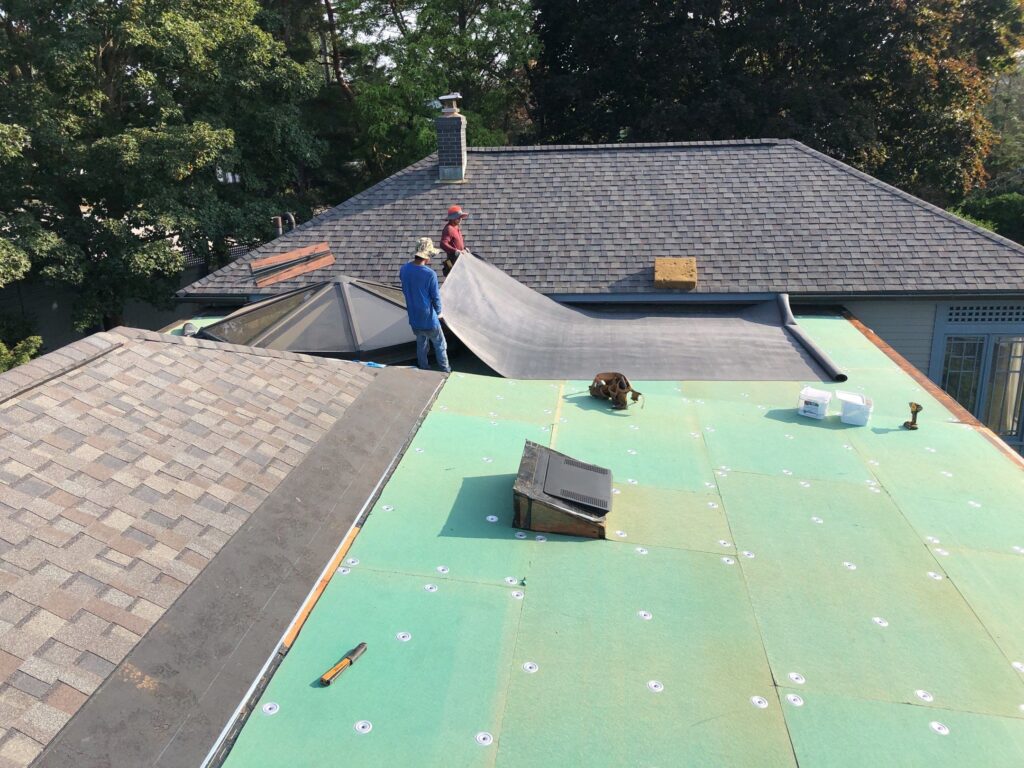
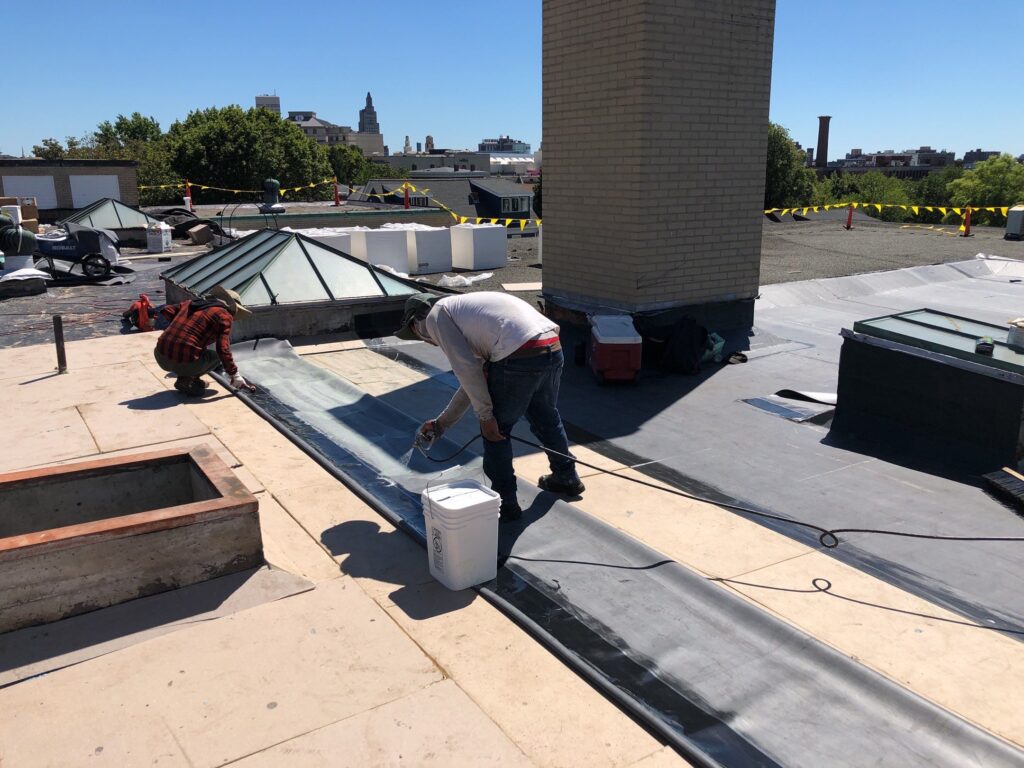
Also known as rubber roofing, EPDM (ethylene propylene diene monomer) roof membrane is one of the most commonly used roofing materials in the country for low-slope roofs. Made from high-performance synthetic rubber, it’s perfect for a wide range of commercial applications because it combines elasticity and strength. EPDM Membrane is a low-cost solution that has a proven track record for withstanding extreme weather conditions. Plus, it’s energy-efficient and durable — it can last for up to 30 years when properly installed and maintained. When you choose our team for all your EPDM Membrane roofing services, you can rest easy knowing that you’ll get an outstanding, protective roofing surface for many years to come.


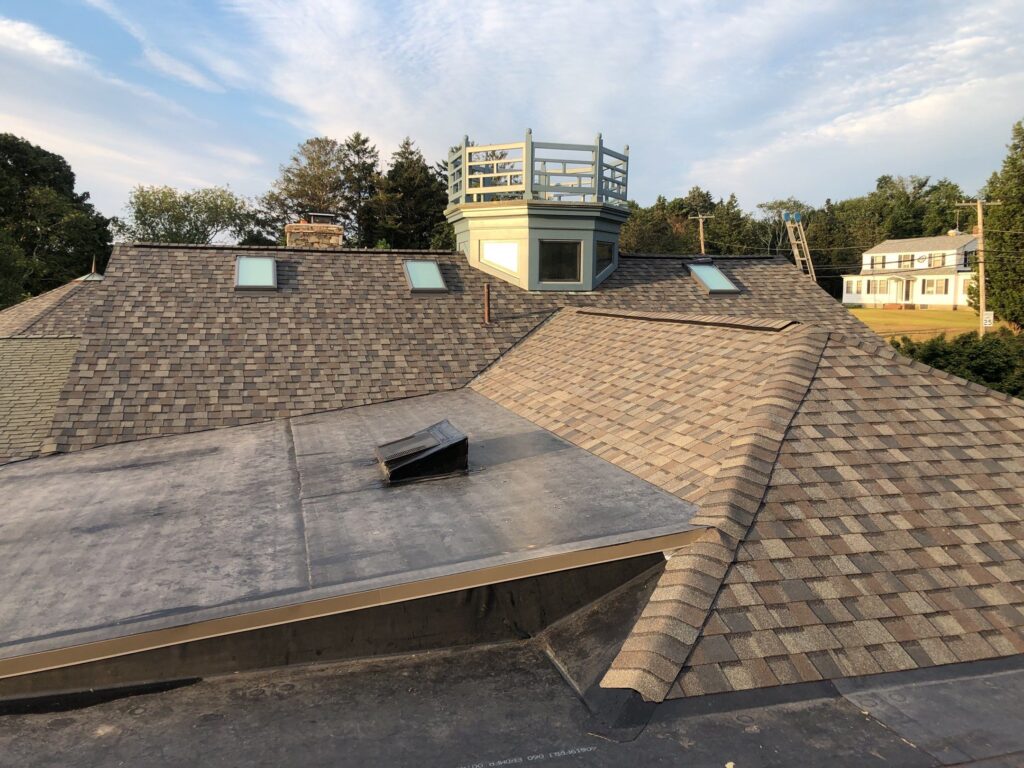
EPDM is a smart choice for garages, additions, sunrooms, and low slope sections on homes and commercial buildings across Rhode Island.

When installed correctly, an EPDM membrane provides a continuous, watertight surface that can last for decades with simple maintenance.

Pinnacle Roofing RI EPDM Membrane ex

EPDM Membrane Benefits

EPDM membrane roofs provide long-term (20+ years) durability and weatherability. EPDM is a high tensile strength membrane ideal for long-term watertight integrity and its elasticity is ideal for freeze/thaw conditions.

StrengthEPDM is a high tensile strength, single-ply membrane ideal for long- term watertight integrity.
FlexibilityThe membrane remains flexible in hot and cold temperatures so it will not split or crack.
Long LifecycleIt provides excellent resistance to ozone and UV and can handle the coldest winters or the summer heat.

Pinnacle Roofing RI EPDM Membrane ex

Where EPDM Works Best

EPDM is ideal for:

  • Flat or low slope roofs on homes

  • Garages and detached buildings

  • Additions and porch roofs

  • Sunrooms and roof decks with built up floors above

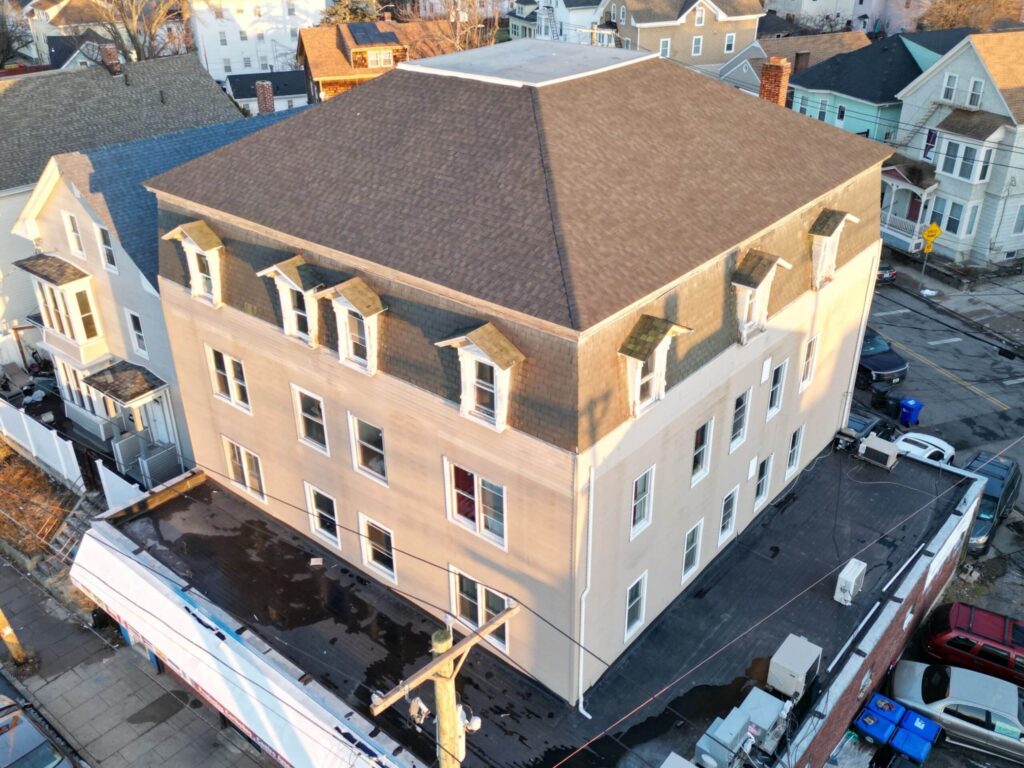
  • Small commercial buildings and multifamily roofs

If water tends to sit on a roof or drain slowly, EPDM is often the right solution.

Key Benefits of EPDM Roofing

Long term performance
EPDM membranes are designed for long service life. A properly installed EPDM roof can last 20 to 30 years or more.

Flexibility in all seasons
The rubber membrane stays flexible in both summer heat and winter cold. That flexibility helps prevent splitting and cracking during freeze–thaw cycles.

Weather and UV resistance
EPDM handles sun, rain, snow, and standing water better than many older flat roofing systems. It has very good resistance to ozone and UV exposure.

Low maintenance
There are no shingles to blow off and no seams every few feet. Routine inspections and minor upkeep go a long way toward keeping the roof performing well.

Cost effective
EPDM is often the most economical way to cover a flat or low slope roof while still getting a high quality, professional system.

EPDM Roofing for Rhode Island Weather

Rhode Island roofs see high winds, coastal storms, heavy rain, and snow. EPDM is well suited for this climate because it:

  • Tolerates ponding water better than many other membranes

  • Stays flexible during freeze–thaw cycles

  • Resists damage from UV and summer heat

  • Can be detailed around chimneys, skylights, and wall junctions

We design EPDM systems with local conditions in mind, including drainage, insulation, and flashing details for long term performance.

Maintenance and Lifespan

A good EPDM roof does not need constant attention, but it should not be ignored either.

Simple best practices:

  • Visual inspection once or twice a year and after major storms

  • Keep drains, scuppers, and gutters clear

  • Do not allow sharp objects or heavy planters to sit directly on the membrane

  • Call for repairs if you see punctures, lifted seams, or ponding that changes or grows

With this level of care and professional repairs when needed, an EPDM roof can deliver decades of reliable service.

EPDM vs TPO vs Modified Bitumen

Use this comparison to explain why you might recommend EPDM instead of another low slope system in a specific situation.

Attribute EPDM Rubber TPO Membrane Modified Bitumen
Typical Use Flat and low slope roofs on homes, garages, and small commercial buildings Flat roofs where white, reflective surface is desired Smaller low slope roofs, older buildings, and roofs with many details
Lifespan 20–30+ years with proper installation and maintenance 20–25+ years when installed correctly 15–25 years depending on number of plies and exposure
Cost Level Generally the most economical option Moderate, often slightly higher than EPDM Moderate, varies with number of layers and installation method
Surface Color Usually black, some lighter options available Usually white or light colored for high reflectivity Granulated surface in various colors, often gray or black
Energy / Reflectivity Absorbs more heat, can help in colder climates Highly reflective, can reduce cooling costs in summer Moderate reflectivity, depends on granule color
Seams Taped or adhered seams, fewer seams on large sheets Heat welded seams, can be very strong when done correctly Overlapping rolls with heat welded or torch applied seams
Maintenance Needs Low, periodic inspections and repairs as needed Low, but seams and flashings should be inspected regularly Moderate, granules can wear and seams should be checked
Best Fit Flat or low slope roofs where durability and cost are key Flat roofs where a white, cool roof surface is preferred Roofs with many penetrations or where multi layer systems are preferred

Why Choose Pinnacle Roofing & Skylights for EPDM

  • Experience with residential and light commercial flat roofs in Rhode Island

  • Careful attention to drainage, flashings, and tie ins to existing roofs and walls

  • Use of quality membranes and accessories from trusted manufacturers

  • Clean jobsites and clear communication from inspection through completion

  • Local, family owned company that stands behind its work

Need help with a flat or low slope roof in Rhode Island

We can inspect your existing roof, explain your options, and provide a clear written quote.

  • Call or text: 401 267 7663

  • Book a free appointment online: 

FAQs for EPDM

1. What is EPDM roofing?
EPDM roofing is a single ply rubber membrane used on flat and low slope roofs. It creates a continuous, watertight surface and is commonly used on garages, additions, and commercial buildings.

2. How long does an EPDM roof last?
With proper installation and basic maintenance, an EPDM roof can last 20 to 30 years or more. Many systems remain watertight well beyond that when cared for.

3. Is EPDM roofing good for Rhode Island weather?
Yes. EPDM performs well in Rhode Island because it stays flexible in cold weather, tolerates heat and sun, and handles freeze–thaw cycles without cracking when installed correctly.

4. Is EPDM only for commercial buildings or can it be used on homes?
EPDM is used on both. It is ideal for flat or low slope sections on homes such as garages, porches, sunrooms, and additions, as well as small commercial buildings and multifamily roofs.

5. How much maintenance does an EPDM roof need?
Maintenance is simple. Keep drains and gutters clear, avoid dragging sharp objects across the surface, and have the roof inspected once or twice a year and after major storms.

6. Does EPDM come in colors other than black?
Black is the most common and most economical membrane color. Some manufacturers offer lighter or white EPDM options, but they are less common and usually cost more.

7. Will an EPDM roof make my home hotter in summer?
Black EPDM absorbs more heat than a white membrane such as TPO. Proper insulation and attic ventilation are more important to indoor comfort than the membrane color alone, and we can review those as part of your project.

8. Can I walk on an EPDM roof?
Yes, EPDM can be walked on for normal maintenance and access. For areas with regular foot traffic, such as around HVAC equipment, we may add walkway pads for extra protection.

9. How is EPDM different from TPO roofing?
EPDM is a rubber membrane that is usually black and is known for its long term flexibility and durability. TPO is a white thermoplastic membrane that reflects more sunlight. Both are good systems, and we will recommend the one that best fits your roof and budget.

10. Can an EPDM roof be repaired or does it always need full replacement?
Many EPDM roofs can be repaired. Small punctures, seams, and flashing issues can often be fixed without replacing the entire roof. We inspect the membrane and advise whether repair or replacement makes more sense.

11. Is EPDM a good choice near the Rhode Island coast?
Yes. EPDM has good resistance to moisture, wind, and salt air when installed correctly. Proper fastening, flashing, and drainage details are especially important on coastal properties.

12. How do I know if EPDM is the right solution for my roof?
If your roof is flat or low slope, EPDM is usually one of the main systems to consider. We can inspect your roof, discuss EPDM, TPO, and modified bitumen, and explain the pros and cons of each based on your building and your goals.