nn
Happy Spring! The Snow Has Melted and It Is Time to Schedule Your Free Roof and Skylight Assessment Today.

Clayville, RI Historical Roof Replacement

Pinnacle Roofing & Skylights 3 Guys Big Round Change

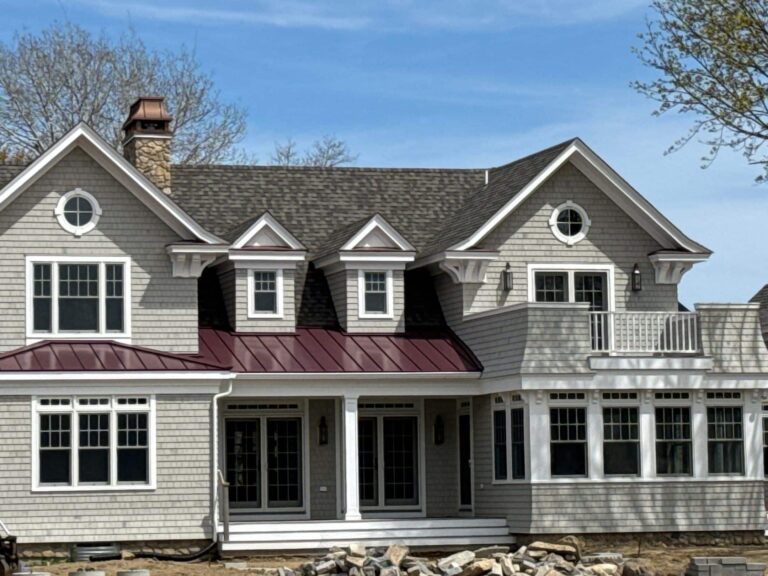
Historical Roof Replacement Built for Clayville's Heritage Homes. Capes near Route 102 corridor deserve roofing that matches their architectural period and withstands Inland weather patterns.

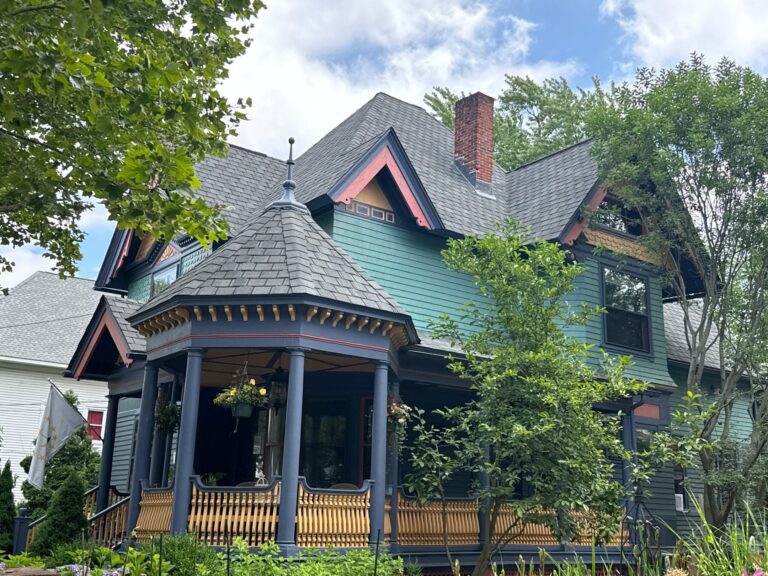
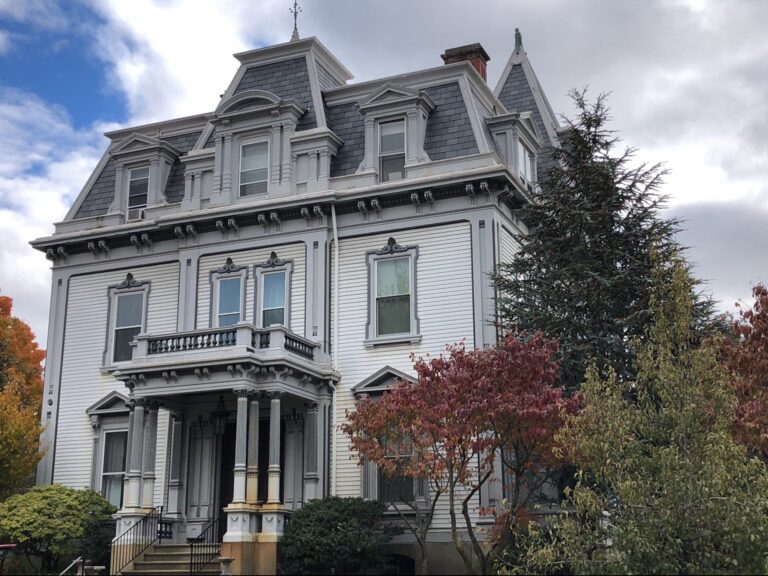
From Capes near Route 102 corridor to older properties along Plainfield Pike, Clayville has homes that deserve specialized roofing attention. While Clayville may not have a formal historic district commission, many older homes carry architectural character worth preserving. Historical roof replacement in Clayville involves researching the home’s architectural period, sourcing materials that satisfy both aesthetic and performance requirements, and installing with the care these properties demand. Pinnacle handles every phase — from initial assessment through final walkthrough.
Pinnacle Roofing & Skylights is a locally owned Rhode Island roofing company specializing in historical roof replacement for homes with architectural significance in Clayville and throughout Rhode Island. Our residential registration number is 39446 and our commercial registration number is 261.
Last updated: March 30, 2026

Historical Roofing Projects in Clayville, RI

From Capes near Route 102 corridor to older properties near Reservoir watershed, Clayville has historic homes that require specialized roofing. Browse our project portfolio to see the materials and techniques we bring to historical roof replacement.
Roof replacement in Providence, RI with asphalt shingles — Project #12362 by Pinnacle Roofing & Skylights

Providence RI Roof Replacement

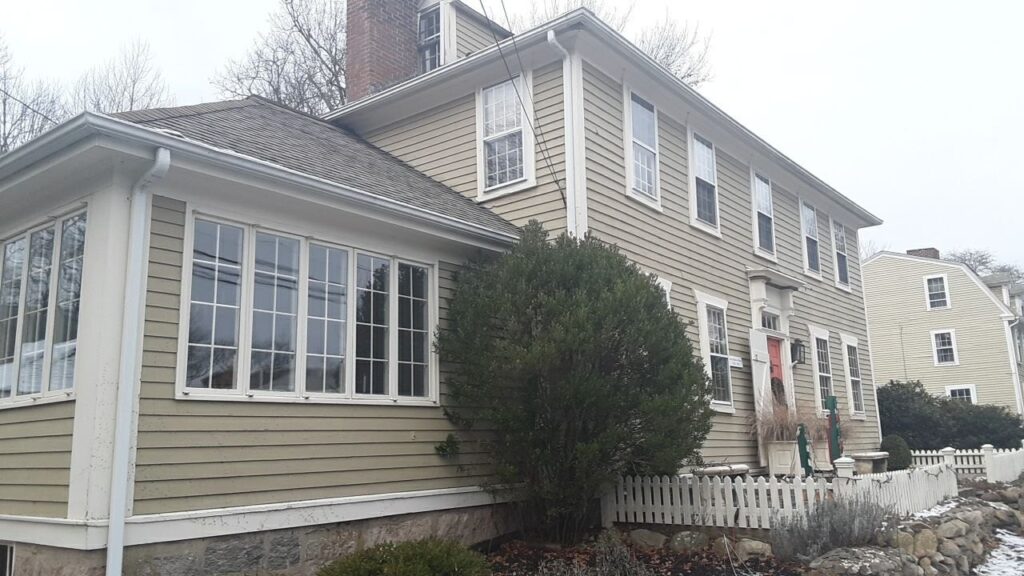
Preserving Providence’s character while delivering modern protection—that was the goal for this historic home roof replacement. Materials were carefully selected

Roof replacement in Providence, RI using CertainTeed Landmark — Project #12359 by Pinnacle Roofing & Skylights

Providence RI Roof Replacement with CertainTeed Landmark

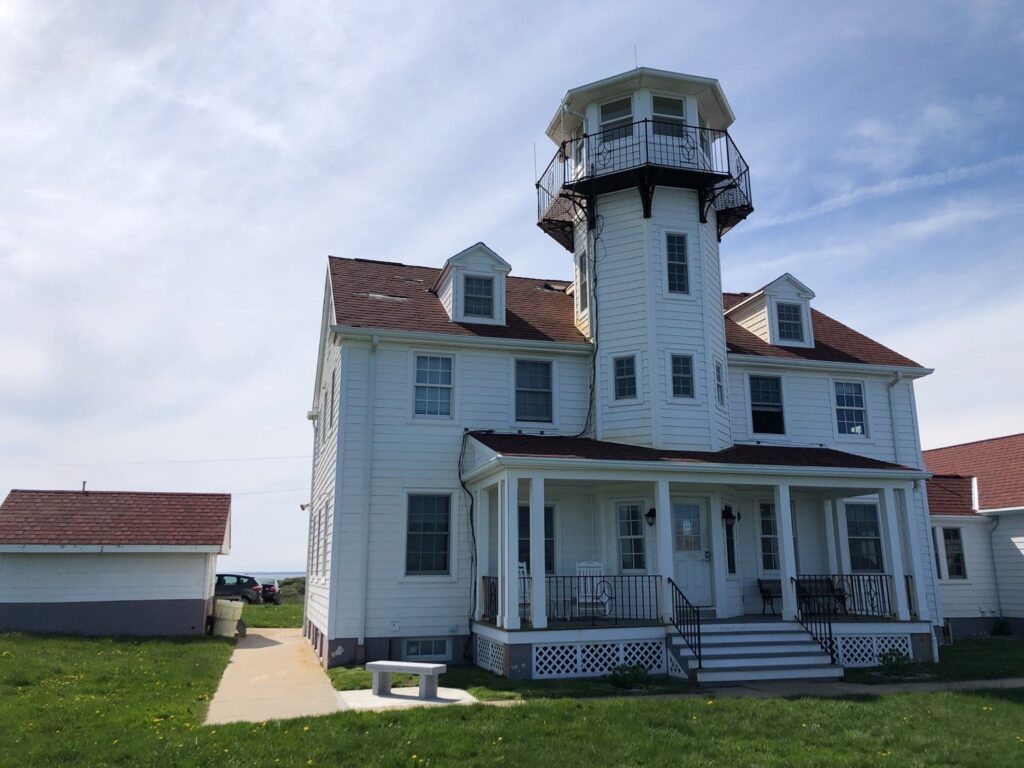
Just wrapped up in Providence, RI: a Residential Roof Replacement completed by Pinnacle Roofing & Skylights. At Pinnacle we know

Roof replacement in Providence, RI with asphalt shingles — Project #12353 by Pinnacle Roofing & Skylights

Providence RI Roof Installation

Preserving Providence’s character while delivering modern protection—that was the goal for this historic home roof replacement. Materials were carefully selected

Our Approach to Historical Roof Replacement in Clayville, RI

Every historical roof replacement project in Clayville starts with understanding the home — its architectural period, the original roofing material, structural capacity, and architectural elements on Capes near Route 102 corridor that must be protected during installation.
From commission research to final inspection, Pinnacle manages every phase of historical roof replacement in Clayville with the care and expertise these homes deserve. Our approach protects both the home’s character and the homeowner’s investment.

Pinnacle’s approach to historical roof replacement in Clayville begins with an on-site assessment that goes beyond measuring square footage. We evaluate the home’s architectural style, identify the original roofing material, assess the structural capacity of the existing framing, and document decorative elements — cornices, moldings, brackets, and trim — that must be protected during tear-off and installation. For properties near Route 102 corridor, we research whether the home falls within a historic district or carries a designation that requires commission approval before work begins. Since Clayville falls within the Town of Scituate, permits are issued through their office. Once we understand the home’s requirements, we present material options that balance period authenticity, commission acceptability, structural compatibility, and budget. Our installation crews understand how to work on historic homes: careful tear-off protecting existing trim along Route 102 corridor, custom flashing fabricated to match architectural details, and thorough debris containment around established landscaping across Reservoir watershed. Communication is clear throughout — you know what materials are being used, why they were recommended, and what the timeline looks like.

Clayville's Local, Trusted Roofing & Skylight Company

Historical Roof Replacement Services in Clayville, RI

Historic Homes in Clayville, RI

The historic homes in Clayville range from Capes near Route 102 corridor to older properties across Reservoir watershed, each with different roofing requirements based on their architectural period and condition. Some homes have been re-roofed over the years with materials that do not match the original character — basic three-tab shingles on a home that deserves slate or shake, for example. Others still carry original materials that have reached end of life after decades of protecting the home through Inland weather patterns. Pinnacle assesses each home’s architectural style and existing condition to recommend roofing that fits both the period and the performance requirements.

Serving Historic Homes Across Rhode Island

Rhode Island’s architectural heritage extends from the coast to the Blackstone Valley and everywhere in between. Historic homes near Route 102 corridor in Clayville share the state’s legacy of colonial, Federal, Victorian, and early 20th-century craftsmanship. Pinnacle brings the same historical roofing expertise to Clayville that we provide in every Rhode Island community — period-appropriate materials, commission knowledge, and preservation-focused installation.
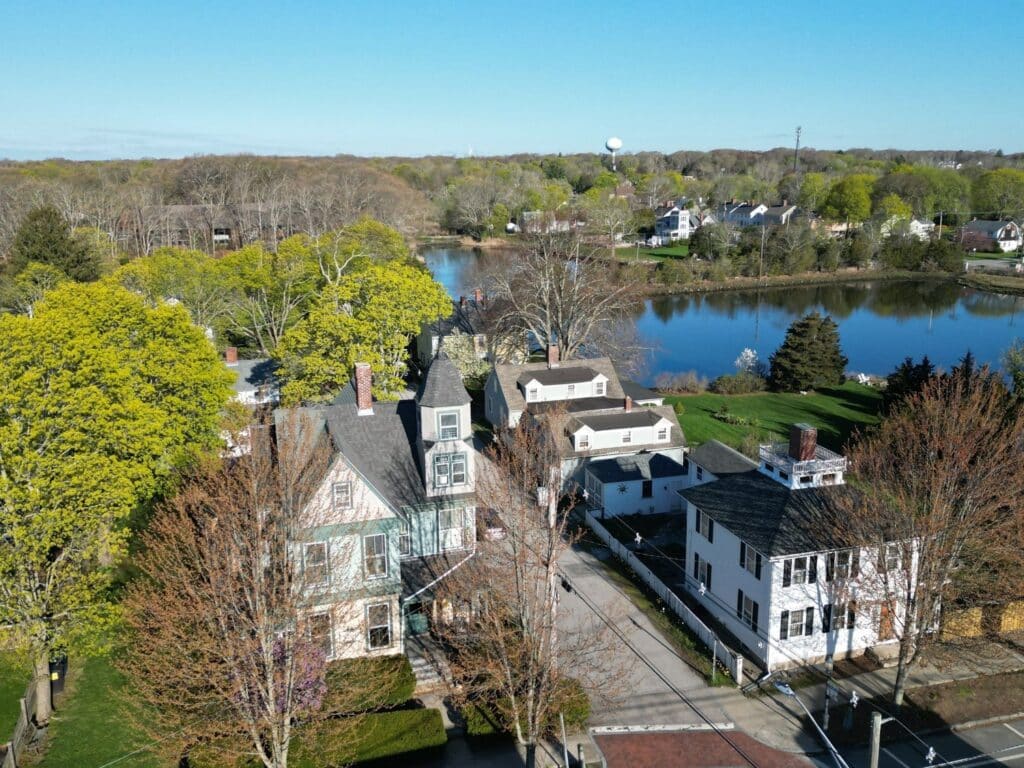
As part of the Town of Scituate, Clayville sits among neighborhoods with homes spanning centuries of Rhode Island architecture. Pinnacle brings historical roof replacement expertise to Clayville, Route 102 corridor, and every community in the region.

Historical Roofing Materials for Clayville, RI Homes

The right roofing material for a historic home near Route 102 corridor in Clayville depends on its architectural period, commission requirements, structural capacity, and the homeowner’s budget. Pinnacle presents every option with clear trade-offs.

Asphalt Shingle Historical Roof Replacement in Clayville, RI

Luxury asphalt shingles bring dimensional depth and shadow lines that approximate natural materials — a strong choice for Clayville historic homes near Route 102 corridor that want character without the premium price of natural slate.

Premium architectural asphalt shingles are a smart choice for historic properties when district requirements permit high-end products. CertainTeed, GAF, and Owens Corning manufacture luxury product lines that replicate the depth and dimensional character of natural materials without their weight penalties. Owens Corning’s Berkshire Collection, CertainTeed’s Grand Manor, and GAF’s Camelot all create convincing period aesthetics. Since these shingles weigh a fraction of slate or shake, installation on standard framing presents no structural risk. Expect 30 to 50 year performance depending on the specific product line selected and local ventilation conditions. For homeowners seeking a cost-effective material that preserves historic appearance, premium asphalt represents strong value.

Premium asphalt shingles replicate the depth and shadow lines of natural materials at a fraction of the weight and cost — an excellent choice for Clayville historic homes near Route 102 corridor outside formal commission oversight.
Pinnacle Roofing & Skylights Historical Roof Replacement Rhode Island

Composite Slate Historical Roof Replacement in Clayville, RI

For Capes in Clayville where natural slate would be historically accurate but impractical, composite slate from DaVinci and Brava offers a compelling alternative that many commissions now accept.

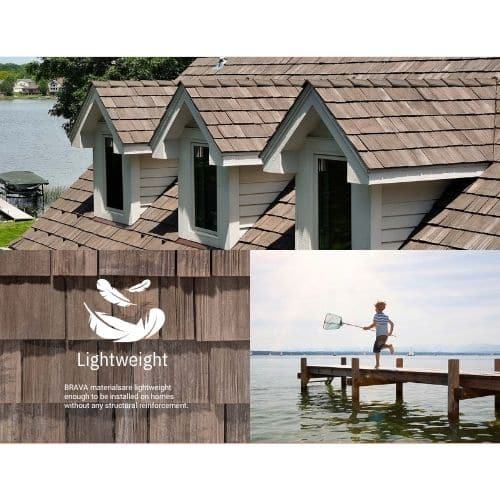
DaVinci Roofscapes and Brava Roof Tile produce composite slate that replicates quarried stone’s color, texture, and profile with remarkable accuracy. Composite slate solves the problem of wanting authentic appearance without the extreme weight and cost of natural stone. Structural reinforcement is unnecessary — these lightweight tiles install on existing framing. Impact resistance handles challenging climates that would crack natural slate, and 50-plus year lifespans mean the investment lasts. Multi-width profiles give the varied, natural look that commissions expect on period homes along Route 102 corridor. Composite slate has gained acceptance with many Rhode Island historic district commissions as a practical alternative that preserves aesthetic integrity.

For historic homes near Route 102 corridor in Clayville, composite slate from DaVinci and Brava provides 50-plus years of protection with the authentic slate appearance that period architecture demands.
historical roof replacement in Rhode Island by Pinnacle Roofing & Skylights

Shake Historical Roof Replacement in Clayville, RI

Shake roofing — natural or composite — restores the original wood character that many of Clayville’s oldest homes near Route 102 corridor were built with, from colonial farmhouses to Cape-style properties.

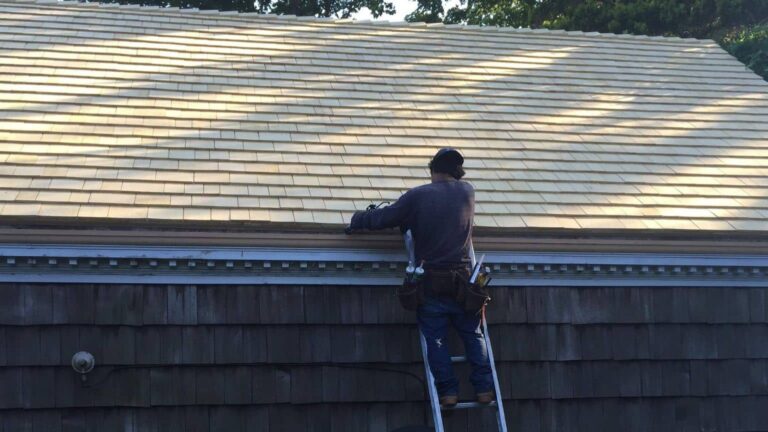
Both natural cedar and DaVinci composite shake serve historic homes where wood roofing was original. Composite shake eliminates the fire risk, rot, and constant maintenance that natural cedar demands while delivering 50-plus years of protection. For Capes near Route 102 corridor, the appearance is virtually indistinguishable from hand-split cedar at street level. Natural cedar remains an option for homeowners along Route 102 corridor who prioritize absolute authenticity — it weathers to the silver-gray patina that defines many older New England homes across Reservoir watershed. Cedar lifespans run 20 to 30 years with regular upkeep, shorter where moisture and shade dominate. We help homeowners weigh the trade-offs between natural and composite shake, factoring in commission requirements, local conditions including Inland weather patterns, and long-term maintenance expectations.

Cedar shake and composite shake options let Clayville homeowners near Route 102 corridor restore the original wood roofing their Capes were built for — choosing between natural authenticity and modern composite convenience.
Pinnacle Roofing & Skylights Cedar Shake Roof Installation historical roof replacement services

Composite Cedar Shake Historical Roof Replacement in Clayville, RI

For Capes near Route 102 corridor in Clayville where cedar shake appearance is desired without ongoing wood maintenance, Brava Cedar Shake tiles offer a durable, fire-safe alternative.

Brava Cedar Shake tiles are manufactured from recycled materials and molded to replicate the texture and color variation of natural cedar. Each tile carries a Class A fire rating — significantly safer than natural wood shake, an important consideration for properties where wooded surroundings present seasonal fire risk. UV-stable coloring means the roof maintains its appearance without the silver-gray weathering that natural cedar undergoes. The tiles are lightweight and walkable, making installation and any future maintenance straightforward. Brava Cedar Shake is well suited for Capes near Route 102 corridor and coastal or rural properties where the wood shake appearance complements the home’s character. Many commissions that want the wood shake look without fire risk approve Brava as an alternative to natural cedar. The result is a roof that looks authentically period-appropriate while delivering 50-plus years of protection.

When Clayville homeowners near Route 102 corridor want wood shake character without the fire risk and constant upkeep, Brava Cedar Shake provides the solution — commission-approved aesthetics backed by modern composite engineering.

Metal & Tin Porch Roof Historical Replacement in Clayville, RI

Restoring metal porch roofs on Clayville’s Capes near Route 102 corridor brings back an authentic detail that defines the home’s character — tin and copper accent roofing has been part of Rhode Island architecture for centuries.

Restoring original metal porch roofing is often critical where tin or terne-coated sections covered entry porches, dormers, and bay window tops. Original metal corrodes severely, develops leaks and rust staining, and degrades the home’s period character. Modern standing seam metal reproduces the traditional tin appearance with superior durability and weather performance. Copper is available where original documentation supports its use — it weathers to the signature green patina over decades across Reservoir watershed. Metal is the only practical material for complex porch geometry and low-slope transitions common on historic homes along Route 102 corridor. It sheds water and ice efficiently despite challenging climate conditions. Historic commissions expect metal for these accent areas and accept nothing else; proper restoration enhances the home’s historical authenticity.

Restoring a tin or metal porch roof on Clayville’s historic homes near Route 102 corridor brings back an authentic architectural detail that defines the home’s character and satisfies commission expectations.

Comparing Historical Roofing Materials for Clayville, RI Homes

Choosing the right material for a historical roof replacement near Route 102 corridor in Clayville involves balancing authenticity, structural requirements, maintenance, cost, and commission acceptance.

Material selection for historical roof replacement involves comparing several dimensions: period authenticity, structural impact, expected lifespan, maintenance requirements, and initial cost. Natural slate provides the most authentic appearance on Capes along Route 102 corridor — capable of lasting 75 to 150 years — but the weight and budget implications are severe. Composite slate from DaVinci and Brava delivers comparable aesthetics with 50-plus year lifespans at lower weight and cost, gaining more commissions approval with each project. Natural cedar shake is historically necessary for certain homes but requires constant maintenance and typically lasts 20 to 30 years. Composite cedar shake provides fire rating and easier upkeep across the same 50-plus year timeframe. Premium asphalt delivers affordability for homes outside strict commission jurisdiction, with 30 to 50 year service life. Standing seam metal is essential for porch and accent areas across Reservoir watershed where it was original. The optimal choice varies significantly by property. We guide homeowners through this decision with detailed trade-off analysis.

Every historic home in Clayville is different. Pinnacle presents material options with clear trade-offs in authenticity, weight, lifespan, maintenance, and cost so you can choose what fits your property near Route 102 corridor best.

Historical Roofing Manufacturers for Clayville, RI

For historical roof replacement, we source from manufacturers who produce materials suited to period architecture. DaVinci Roofscapes offers composite slate and shake that replicates natural materials. Brava Roof Tile manufactures fire-rated composite cedar shake. CertainTeed provides luxury asphalt lines like Belmont and Grand Manor along with the Integrity Roof System. GAF and Owens Corning offer their own premium profiles. Firestone Una-Clad standing seam metal handles porch and accent areas. Different product lines within each manufacturer affect appearance, warranty coverage, and commission acceptability — we help Capes along Route 102 corridor navigate these choices for the best result.

From composite slate to premium asphalt to standing seam metal, Pinnacle sources materials for Clayville historic homes from manufacturers whose products meet the aesthetic and performance standards period architecture demands.

Understanding the Complete Roofing System for Historic Homes in Clayville, RI

The roofing system beneath the visible material matters as much as the material itself. For historic homes in Clayville near Route 102 corridor, proper system integration protects structures that cannot be easily repaired.

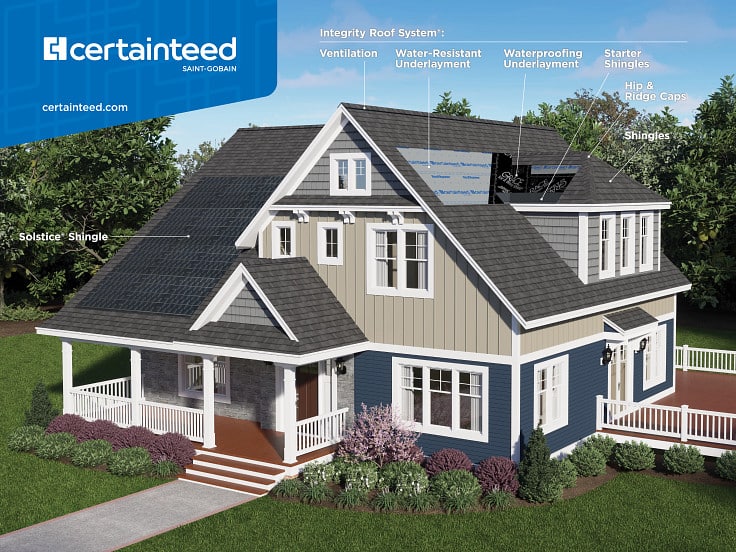
The CertainTeed Integrity Roof System provides the framework we adapt for historical applications. Starting from the deck: waterproofing underlayment (ice and water shield) protects eaves, valleys, and penetrations where water infiltration is most likely — critical for Capes near Route 102 corridor with complex rooflines. Water-resistant synthetic underlayment covers the full deck. A proper starter course ensures the first row resists wind uplift from Inland weather patterns. The primary roofing material — composite slate, shake, asphalt, or metal — installs to manufacturer specifications for warranty compliance. Matching hip and ridge caps complete the roofline. Balanced ventilation with ridge exhaust and soffit intake protects both material and structure from moisture buildup — designed to work within the existing architecture along Route 102 corridor without altering the home’s visible exterior. Custom flashing around chimneys, dormers, and architectural details across Reservoir watershed is often the most critical component on a historic roof. Improperly fabricated flashing is the leading cause of leaks on complex historic rooflines.

A complete roofing system protects Capes near Route 102 corridor in Clayville from the inside out. Pinnacle ensures every layer — from underlayment to custom flashing — works together to preserve what makes these homes special.

The Historical Roof Replacement Process in Clayville, RI

When a historic home near Route 102 corridor needs a new roof, the replacement process must be structured and transparent. Pinnacle’s eight-step approach accounts for the commission requirements, specialty materials, and careful installation these properties demand.

Step one is an on-site assessment of existing roof condition, architectural style, structural capacity, and historic details requiring preservation on Capes near Route 102 corridor. Step two is historical research — identifying the home’s architectural period and any commission requirements. Since Clayville falls within the Town of Scituate, permits are issued through their office. Step three is commission coordination where applicable — preparing applications with material specs and color samples. Step four is material recommendation — presenting options that satisfy requirements, match the home’s character, and fit the budget, with clear trade-offs. Step five is a detailed written estimate covering materials, labor, structural work if needed, and timeline. Step six is material sourcing — specialty products like composite slate and custom metalwork often need advance ordering. Step seven is installation — careful tear-off protecting trim and details along Route 102 corridor, proper system layers, and new material installed to manufacturer specs. Step eight is a final walkthrough with documentation for commission records if required. Throughout the process, communication is clear — you know what is happening at every stage.

From initial assessment through final walkthrough, Pinnacle manages every phase of your Clayville historical roof replacement near Route 102 corridor with the transparency and care these homes require.

Common Historic Roof Problems in Clayville, RI

The older roofs found on Clayville’s historic homes near Route 102 corridor face challenges that standard residential properties typically do not. Understanding common problems helps homeowners plan for a proper replacement.

On historic homes, the most frequent problems include deteriorating original materials — cracked slate, rotting shakes, corroded metal porch roofing. Flashing failures around architectural details on Capes along Route 102 corridor account for a large percentage of leaks, as original lead and galvanized flashing degrades over decades. Structural fatigue from heavy materials like natural slate can manifest as sagging ridgelines. Ice dams form readily on older homes without proper ventilation and insulation — harsh climates accelerate this cycle. Multiple layers of mismatched patch repairs compromise both weatherproofing and appearance across Reservoir watershed. Basic re-roofing with inappropriate materials at some point in the home’s history is common and represents an opportunity to restore proper character. Our assessment covers all of these issues so the replacement plan addresses everything — not just the visible surface problems.

Failing original materials, corroded flashing, structural stress, ice dams, and mismatched patches are common on Clayville’s older homes near Route 102 corridor. Pinnacle assesses the full picture before recommending solutions.

How Long Does a Historical Roof Last in Clayville, RI?

Lifespan expectations for historical roofing in Clayville depend heavily on the material chosen and the conditions the roof faces near Route 102 corridor.

Material choice determines how long a historical roof lasts: natural slate leads at 75 to 150 years but its fasteners and flashing need earlier attention. Composite slate and shake both deliver 50-plus years with minimal upkeep. Natural cedar lasts 20 to 30 years with regular maintenance. Premium asphalt provides 30 to 50 years. Standing seam metal and copper run 50 to 100 years. Heavy moisture and shade across Reservoir watershed can promote moss and algae growth that affects material longevity. For Capes along Route 102 corridor dealing with local weather conditions, material selection matched to your site’s actual climate is essential for full lifespan delivery. We recommend materials based on what will actually perform on your specific property, not just what looks right.

Every material option for Clayville’s historic homes carries a different lifespan. Pinnacle helps homeowners near Route 102 corridor understand what to expect from each choice and recommends based on the home’s specific conditions.

When to Replace Your Historic Roof in Clayville, RI

There comes a point when repairs on Capes near Route 102 corridor in Clayville stop making economic sense and a full historical roof replacement becomes the better investment.

For historic homes, replacement indicators include widespread material failure across the roof, recurrent leaks despite repairs, structural concerns visible from the attic, and a history of patchwork using mismatched materials that compromise the home’s appearance. Capes along Route 102 corridor that were re-roofed with standard asphalt shingles at some point now have the opportunity to restore historically appropriate materials when those shingles reach end of life. We assess every home across Reservoir watershed honestly — if targeted repairs can protect the home effectively, we recommend repairs. When the roof has reached a point where continued patching costs more than it saves and diminishes the home’s character, we help homeowners plan a replacement that uses the right materials, respects the architecture, and invests in the property’s future.

The right time to replace a historic roof in Clayville is when repairs stop protecting the home effectively. Pinnacle provides honest guidance for Capes near Route 102 corridor so homeowners make confident, informed decisions.

Why Choose Pinnacle for Historical Roof Replacement in Clayville, RI

Historic homes near Route 102 corridor in Clayville deserve a roofing contractor who understands their character and knows how to protect it. Pinnacle brings specialized knowledge to every project.

We bring specialized expertise to historical roof replacement that standard contractors do not have. We understand period-appropriate materials, commission requirements, and the careful installation practices that Capes along Route 102 corridor demand. We research each home’s architectural period before recommending anything. We manage commission approvals when applicable. Our crews protect decorative elements during tear-off and install custom flashing matched to each home’s geometry across Reservoir watershed. Licensed for residential (39446) and commercial (261) work across Rhode Island, fully insured, and committed to honest assessments. Detailed written estimates ensure transparency. We start by listening to what matters to you about your home — and we deliver on those priorities.

Your historic home near Route 102 corridor in Clayville is a piece of Rhode Island’s history. Pinnacle treats it that way — with specialized knowledge, careful craftsmanship, and genuine respect for what makes your property unique.

Historical Roof Replacement Cost Factors in Clayville, RI

The investment in a historical roof replacement for your Clayville home near Route 102 corridor depends on material choice, roof geometry, commission requirements, and the level of architectural detail preservation involved.

What drives cost on a historical roof replacement: material (natural slate highest, premium asphalt most affordable), roof geometry (historic homes near Route 102 corridor typically have complex multi-plane rooflines), custom metalwork (essential around architectural details on Capes along Route 102 corridor), structural assessment (especially for heavy materials), commission fees and timeline, specialty material lead times, and careful tear-off protecting existing trim across Reservoir watershed. We provide detailed estimates that break down each component transparently. Visit our Rhode Island roof cost guide for general information. Financing through Synchrony Financial with 0% interest options and low monthly payments makes the investment in your historic home’s future more accessible.

The cost of protecting your historic home depends on many factors working together. Our detailed estimates make those factors transparent, and Synchrony Financial financing with 0% interest helps manage the investment.

Storm Damage to Historic Roofs in Clayville, RI

After a storm damages your Clayville historic home’s roof near Route 102 corridor, the priority is protecting irreplaceable interior features while planning a restoration that maintains architectural integrity. Pinnacle provides rapid emergency response, thorough damage documentation for insurance claims, and a restoration plan using period-appropriate materials.

Historic Roof Storm Damage in Clayville, RI

Storm-Damaged Roofs Require Fast Action

When you find storm damage on your roof in Rhode Island, swift action can be crucial. Contacting trusted roofing professionals like us for a thorough inspection. Our expert team will assess the damage and determine if roof repairs or roof replacement is recommended. With New England’s predictably unpredictable weather, it is important repairs happen quickly to prevent further loss. 

Trusted Historical Roofing Contractor in Clayville, RI

Historical roof replacement on Capes near Route 102 corridor in Clayville demands a contractor whose qualifications match the work’s complexity. Pinnacle holds manufacturer certifications from DaVinci, Brava, CertainTeed, GAF, and Owens Corning alongside state licensing and proven commission experience.

What Clayville Homeowners Say

Homeowners across Rhode Island trust Pinnacle for historical roof replacement on Capes near Route 102 corridor. Here is what they have to say about their experience.

Historical Roof Replacement FAQs for Clayville, RI

Is Pinnacle licensed and insured for historical roof replacement in Clayville, RI?
Yes. Pinnacle Roofing & Skylights is fully licensed and insured to perform residential and commercial roofing work in Clayville, RI and throughout Rhode Island. Our residential registration number is 39446 and our commercial registration number is 261. Beyond standard licensing, our crews have specific experience working with historic properties — from commission coordination to period-appropriate material installation to careful preservation of architectural details during tear-off and installation.
Do I need a permit for historical roof replacement in Clayville, RI?
Pinnacle handles pulling all required building permits for every historical roof replacement project we complete in Clayville. Permit coordination is part of our standard service, and the cost is included in your project estimate. You never need to visit a government office or manage paperwork yourself. Since Clayville falls within the Town of Scituate, permits are issued through their office. For homes in designated historic districts, additional commission approvals may be required beyond standard building permits. Pinnacle handles this process as well — researching your town’s requirements, preparing material specifications, and coordinating approvals. If you have specific permit questions, your local building permit office is the Scituate Building Department located at 195 Danielson Pike, North Scituate, RI 02857. You can reach them at (401) 647-2822.
Do you offer financing for historical roof replacement in Clayville, RI?
Pinnacle offers financing solutions through Synchrony Financial specifically designed for historical roof replacement projects in Clayville. Programs include 0% interest plans and low monthly payments that extend affordability to even premium material selections like natural slate and composite solutions. Historical roofing costs more than standard residential work — specialty materials require advance ordering, custom installation takes longer, and commission coordination adds complexity — so we make financing available to help Clayville homeowners invest in proper preservation without financial hardship. We discuss all Synchrony options transparently during your estimate.
How much does a historical roof replacement cost in Clayville, RI?
Cost for historical roof replacement on Capes near Route 102 corridor in Clayville depends on the chosen material, roof geometry and complexity, custom metalwork needs, structural considerations, and commission requirements. We do not quote generic price ranges for historical work because the variation between projects is too significant — a simple colonial roofline with composite slate costs very differently than a complex Victorian with natural materials and custom copper. Pinnacle provides detailed written estimates covering every component. Visit our Rhode Island roof cost guide for general information. Financing through Synchrony Financial with 0% interest and low monthly payments is available.
How do I know if my historic roof needs a full replacement or just a repair in Clayville, RI?
If damage to your Clayville historic home near Route 102 corridor is isolated — a few missing pieces, one failed flashing section, localized storm damage — repair is often the right call. When problems are widespread — deterioration across multiple sections, recurring leaks despite repairs, structural concerns, and accumulated mismatched patches on Capes near Route 102 corridor — replacement becomes the better investment. For historic homes, there is an additional factor: continued patching with mismatched materials diminishes the home’s architectural character. Pinnacle assesses everything and recommends honestly.
What type of warranties does Pinnacle offer for historical roof replacement in Clayville, RI?
Pinnacle uses the best manufacturers and follows the best workmanship practices so we can offer the best warranties available for Capes near Route 102 corridor in Clayville. Warranty specifics depend on the material chosen — composite slate and shake from DaVinci and Brava carry different warranties than premium asphalt from CertainTeed, GAF, or Owens Corning. Natural slate and metal installations have their own coverage. Every project includes Pinnacle’s own workmanship guarantee. We explain the specific warranty options during your estimate.
Does Pinnacle help with insurance claims for historic roof damage in Clayville, RI?
Yes. Pinnacle provides full insurance claims assistance for historic roof damage in Clayville. We document damage thoroughly with detailed photographs and material specifications that help adjusters understand the specialized nature of historic roofing. The cost to replace with period-appropriate materials may exceed standard replacement costs, and our documentation supports fair settlement. We coordinate directly with your adjuster throughout the process. Visit our storm damage insurance claims page for details.
What are the benefits of a proper historical roof replacement for my Clayville home?
A proper historical roof replacement on Capes near Route 102 corridor in Clayville delivers benefits beyond keeping water out. Period-appropriate materials restore architectural character, directly protecting and often increasing property value. Modern underlayment and ventilation integration improve energy performance compared to aging original roofing. New waterproofing protects irreplaceable interior finishes — plaster, woodwork, and trim near Route 102 corridor that cannot be easily replaced. Commission compliance is maintained where applicable. Comprehensive manufacturer warranties provide long-term protection. The investment in the right roof replacement protects the home’s legacy while delivering measurable improvements in comfort and efficiency.

Why should I choose Pinnacle Roofing & Skylights for historical roof replacement in Clayville, RI?
Pinnacle Roofing & Skylights specializes in the kind of work Clayville’s historic homes near Route 102 corridor need — research-driven material selection, commission coordination, careful installation that preserves architectural character, and transparent communication throughout. Our crews understand Capes near Route 102 corridor and the specific challenges they present. We handle every aspect from commission paperwork to custom flashing fabrication along Reservoir watershed. Residential registration 39446, commercial registration 261, fully insured, and committed to the honest assessments that historic homeowners deserve.

Historical Roofing Service Areas Near Clayville, RI

Pinnacle provides historical roof replacement services in Clayville and throughout all of Rhode Island. Every historic home deserves a roofing contractor who understands its character.
Take a Look at Our Work

Your Local Historical Roofing Expert in Clayville, RI

Pinnacle Roofing & Skylights is a locally owned Rhode Island company headquartered in North Kingstown. We serve Clayville and its surrounding communities with specialized historical roof replacement services. Our team understands the architectural heritage of Clayville’s Capes near Route 102 corridor and brings that knowledge to every project. When you work with Pinnacle, you work with a company invested in the community and accountable for the quality of our work.