nn
Skip to content
Like most Pinnacle roofing projects, the work was completed in a single day — minimizing disruption for the homeowner. Pinnacle
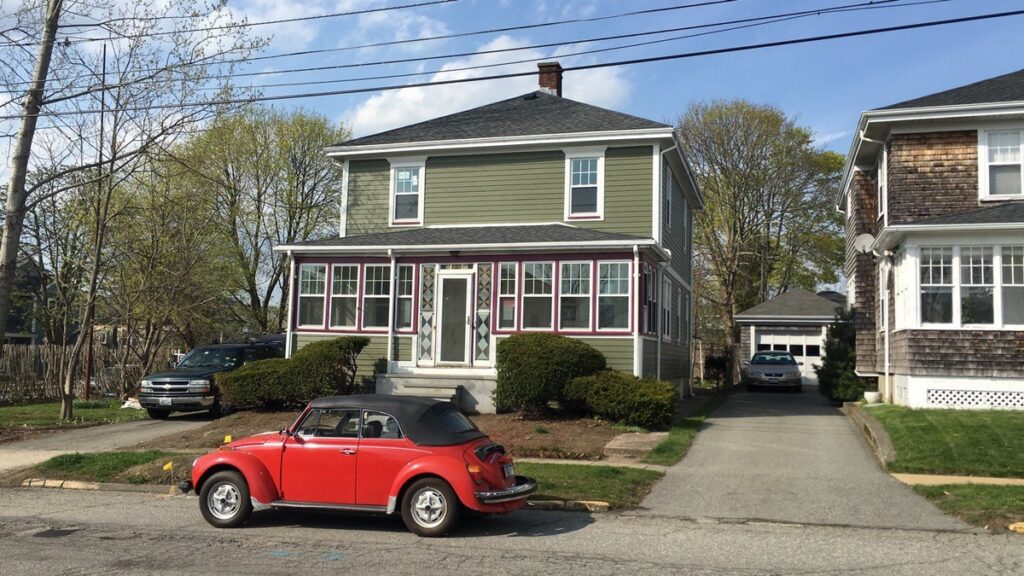
Just wrapped up in Newport, RI: a Residential Siding completed by Pinnacle Roofing & Skylights. This project on a mansions
Completed in Newport, RI—a Roof Replacement by Pinnacle Roofing & Skylights on a mansions property. Newport roofs see everything from
Our process begins with a detailed exterior inspection — checking for salt damage on existing fasteners, evaluating flashing around windows and doors, and assessing the condition of your home’s weather-resistant barrier. In Newport, Nor’easters expose every weakness in a siding installation. We specify stainless steel fasteners for all coastal work, install proper kick-out flashing at roof-to-wall transitions, and build drainage planes that move water away from the wall assembly. Material selection accounts for your specific exposure — homes closer to the water may need different solutions than properties in Downtown Newport harborfront. Coastal conditions near Oceanfront settings in Newport mean siding must resist salt spray, high humidity, and wind-driven rain that inland homes never face.
Cedar shingle siding has been the choice for Newport’s coastal homes for generations. Its natural resistance to moisture and insects makes it well-suited for salt-air environments, though proper installation and maintenance are essential. Cedar shingles are especially well suited to Mansions found throughout Newport, maintaining the classic New England character homeowners value.
Cedar shingles are water-shedding, not waterproof — each course overlaps the one below, directing rain downward while allowing the wood to breathe. In Newport’s coastal environment, we install cedar over ventilation strips that create a critical air gap between the shingles and the weather-resistant barrier. This air space lets moisture that penetrates between shingles drain and evaporate rather than sitting against the wall. We use only stainless steel nails — standard galvanized fasteners corrode in salt air within a few years, leaving black rust stains and compromised holding power. Cedar exposure (the visible portion of each shingle) is set at 4-6 inches depending on wall height and weather exposure. Salt air effects mean we specify tighter exposure on windward walls for added water protection. Properties in Newport within reach of Oceanfront settings contend with marine conditions that test every exterior surface relentlessly.
For Newport homeowners who want low-maintenance durability against salt air and coastal storms, fiber cement siding by James Hardie offers a proven track record. The material stands up to conditions that compromise wood and vinyl. Fiber cement siding is especially practical for Newport homes exposed to heavy coastal rains, providing decades of low-maintenance protection.
James Hardie fiber cement is made from portland cement, cellulose fiber, and sand — a composition that will not corrode in salt air, will not absorb moisture like wood, and will not soften in heat like vinyl. In Newport, we install HardiePlank lap siding or HardieShingle panels over a drainage plane with proper flashing at every window, door, and wall penetration. The material comes pre-primed or with ColorPlus factory-applied finish that resists fading from coastal sun exposure. Nor’easters make joint sealing and flashing details critical — we use manufacturer-specified sealants and stainless steel fasteners for every coastal installation. Fiber cement weighs more than vinyl or wood, requiring secure fastening to the wall structure. In Newport, salt air from Oceanfront settings accelerates exterior deterioration, making proper material selection and installation techniques critical for coastal properties.
Composite siding products like Everlast and CertainTeed Cedar Impressions offer Newport coastal homeowners a material that genuinely will not rot, corrode, or require repainting — even in direct salt-air exposure. For Mansions in Newport, composite siding delivers exceptional longevity with virtually zero maintenance requirements.
Everlast composite siding is made from inorganic minerals, polymeric resins, and acrylic colorants — no wood fiber, no organic material to rot or attract insects. CertainTeed Cedar Impressions uses a polymer composite molded from actual cedar shingles for authentic texture. Both products resist salt air, UV exposure, and the humidity cycles that Newport’s coastal location creates. We install these materials over proper drainage planes with manufacturer-specified fasteners and trim components. The color is molded throughout the material rather than applied as a surface finish, so it doesn’t chip, peel, or require repainting. In Newport, salt air from Oceanfront settings accelerates exterior deterioration, making proper material selection and installation techniques critical for coastal properties.
While not our first recommendation for direct coastal exposure in Newport, quality vinyl siding installed correctly provides reliable protection at a lower price point than fiber cement or composite alternatives. Vinyl remains the most affordable siding option for Newport homeowners, and modern vinyl performs far better than older generations.
In Newport’s coastal environment, we specify vinyl siding with a minimum .044-inch thickness and reinforced nailing hems rated for high wind zones. Standard builder-grade vinyl (.040 inch) can buckle in sustained wind and is more prone to impact damage from wind-driven debris during Salt air effects. We install vinyl with proper overlap at joints, leaving expansion gaps that allow the material to move with temperature changes without buckling or pulling loose. Behind the vinyl, a weather-resistant barrier and drainage plane manage any moisture that gets past the cladding — because vinyl is not waterproof at the joints. Insulated vinyl siding adds R-value and reduces the drumming sound that wind and rain creates on standard panels. In Newport, salt air from Oceanfront settings accelerates exterior deterioration, making proper material selection and installation techniques critical for coastal properties.
When Newport homeowners want their home to look like natural cedar without the upkeep, CertainTeed Cedar Impressions is the answer. This polymer shake siding is molded from real cedar shingles to capture authentic wood grain detail, and homes near The Breakers (mansion) get a weather-resistant exterior that never needs staining, sealing, or chemical treatments.
What makes CertainTeed Cedar Impressions stand apart for Newport homeowners is the combination of authentic cedar aesthetics with engineered polymer performance. Each panel is molded from actual hand-split cedar shakes, capturing the grain detail, texture variations, and shadow lines that give real wood its character. The difference is in the material — Cedar Impressions is manufactured from a proprietary polymer that does not rot, warp, crack, or attract insects. For properties near The Breakers (mansion), this means decades of consistent appearance without the staining, sealing, or replacement cycles that real cedar requires. The system offers three profile options: Perfection shingles with clean straight edges, Rough-Split Shakes with a rustic staggered look, and Half-Round Scallops for accent areas. CertainTeed’s color palette includes everything from subtle neutrals to rich Ageless Cedar blends, all engineered with UV-resistant pigments that prevent fading. Wind resistance is rated to 110 mph through the double-thick nailing hem and Molded Perimeter Lock, giving Newport homes protection through Winter storms and ice dams. The panels include back ribs that prevent warping, cupping, and distortion even in extreme heat.
Choosing siding for a Newport coastal home means weighing salt resistance, wind ratings, maintenance requirements, and budget. No single material is perfect for every situation — the best choice depends on your home’s specific exposure and your long-term priorities. For Newport properties exposed to heavy coastal rains, this matters more than many homeowners realize when planning a siding project.
Cedar shingles offer authentic character but require staining every 5-7 years and are vulnerable to salt damage without diligent care. Fiber cement (James Hardie) resists salt, holds paint for 15+ years, and will not rot — it’s our most recommended material for Newport’s direct coastal exposure. Composite products (Everlast, CertainTeed Cedar Impressions) eliminate maintenance entirely with color throughout and zero organic content to degrade. Vinyl is the most affordable option but requires thicker gauge (.044 inch+) with reinforced nailing for coastal wind loads. Rain screen assemblies improve performance of any material by managing the moisture that Ocean-proximity weather challenges push into wall cavities. Rhode Island statewide along Bay-facing neighborhoods in Newport experience ocean-driven moisture that demands siding systems engineered for coastal performance.
James Hardie is the leading fiber cement manufacturer, and their products are engineered specifically for different climate zones — HZ5 for freeze-thaw regions like Rhode Island. CertainTeed offers both vinyl and composite (Cedar Impressions) products with strong color and texture options. Everlast composite siding uses zero wood content for complete moisture immunity. For Newport’s coastal exposure, we specify marine-grade fasteners and flashing systems from these manufacturers’ coastal installation guidelines. In Newport, salt air from Oceanfront settings accelerates exterior deterioration, making proper material selection and installation techniques critical for coastal properties.
In Newport’s coastal environment, the wall system behind your siding matters as much as the cladding itself. Our rain screen assemblies are designed for the specific moisture and salt challenges your home faces. For Mansions near Coastal areas in Newport, these considerations directly impact the longevity and performance of your siding investment.
Our coastal wall assembly for Newport homes includes structural sheathing, a peel-and-stick or mechanically-fastened weather-resistant barrier, drainage strips or a manufactured drainage mat, and the siding cladding. The weather barrier is the true waterproof layer — it catches anything that gets past the siding. The drainage cavity between the barrier and the cladding allows water to drain downward and out through weep openings at the base, while air circulation through the cavity dries residual moisture. In Newport, Summer humidity makes this drying function essential — without it, salt moisture concentrates against the sheathing and accelerates deterioration. We detail flashing at every window, door, and penetration with lapped connections that direct water outward. For Newport homes near Bay-facing neighborhoods, salt-air exposure from Oceanfront settings adds urgency to siding decisions that directly affect long-term durability.
The process starts with a comprehensive exterior inspection of your Newport home — we check existing siding condition, flashing details, soffit ventilation, and the weather barrier behind the cladding. We document salt damage, moisture intrusion points, and structural concerns. Based on this assessment, we present material options suited to your specific coastal exposure and budget. Once you approve the plan, our crew mobilizes with all materials and equipment on day one. We remove existing siding completely, inspect and repair sheathing, install the weather barrier and drainage plane, and begin cladding installation. Throughout the project, we photograph key stages for your records. We clean up daily and do a final walkthrough with you to confirm every detail meets our standards. Typical timeline for a Newport home is 1-3 weeks depending on home size and complexity. Properties in Newport within reach of Oceanfront settings contend with marine conditions that test every exterior surface relentlessly.
Coastal homes in Newport face siding problems that inland properties do not encounter. Salt air, wind-driven rain, and persistent humidity creates failure modes that require specific solutions. For Mansions near Coastal areas in Newport, these considerations directly impact the longevity and performance of your siding investment.
Corroded fasteners are one of the most common issues on Newport coastal homes. Standard galvanized nails in salt air develop rust within a few years, weakening their holding power and staining the siding. We find siding panels that appear solid but are barely attached. Cracked or warped panels result from wind loads that exceed the material’s rating — typically thin-gauge vinyl installed without reinforcement. Water intrusion around windows and doors happens when flashing was not designed for wind-driven rain that pushes water upward and sideways. Moisture damage behind the siding — rot, mold, deteriorated sheathing — occurs when there’s no drainage plane behind the cladding, which is extremely common on older Newport installations. Coastal conditions near Oceanfront settings in Newport mean siding must resist salt spray, high humidity, and wind-driven rain that inland homes never face.
Siding lifespan in Newport depends heavily on material choice, installation quality, and how directly your home is exposed to salt air and coastal weather. The numbers below reflect realistic expectations for professionally installed siding in coastal Rhode Island. In Newport, this is particularly relevant for Mansions near Bay-facing neighborhoods where heavy coastal rains affects siding performance year-round.
Cedar shingle siding in Newport’s coastal environment: 15-30 years depending on maintenance and salt exposure. Homes directly on the water see shorter lifespans than those set back a few blocks. Regular staining every 5-7 years extends cedar’s life significantly. Fiber cement (James Hardie): 30-50+ years — the material itself does not degrade from salt air. Factory ColorPlus finish lasts 15+ years before repainting. Composite (Everlast, CertainTeed): 30-50+ years with no maintenance required — the material is impervious to salt, moisture, and insects. Vinyl siding: 20-40 years, though coastal wind damage can shorten this. Thicker gauge vinyl with proper fastening holds up significantly better. Rhode Island statewide along Bay-facing neighborhoods in Newport experience ocean-driven moisture that demands siding systems engineered for coastal performance.
Siding on Newport coastal homes deteriorates in ways that are not always visible from the ground. Salt damage, moisture intrusion, and wind stress create conditions behind the cladding that may require replacement even when the surface looks acceptable. Homes near Coastal areas in Newport face heavy coastal rains that makes this especially important for long-term exterior protection.
Signs that your Newport home needs siding replacement include: visible rust staining from corroded fasteners, boards that move or flex when pressed (indicating loosened nails), soft spots in wood siding that indicate rot behind the surface, cracked or warped panels from wind stress, water staining inside the home on exterior walls, persistent musty odor near exterior walls, peeling paint on relatively new siding (indicating moisture behind the cladding), and energy bills that have increased without explanation. In coastal Newport, we also look for salt crystal deposits on the back of siding panels and corrosion on any exposed metal components. Coastal conditions near Oceanfront settings in Newport mean siding must resist salt spray, high humidity, and wind-driven rain that inland homes never face.
Newport homeowners choose us because we understand what coastal living does to siding — and we build every installation to handle it. Our crews have worked throughout Newport, from Historic districts to homes several blocks from the water. For Mansions near Coastal areas in Newport, these considerations directly impact the longevity and performance of your siding investment.
Pinnacle Roofing & Skylights (RI Reg #39446) is certified by James Hardie, CertainTeed, and other leading manufacturers for siding installation. Our coastal expertise means we specify stainless steel fasteners, marine-grade flashing, and rain screen assemblies on every Newport project — details that protect your home from the salt and moisture that standard installations ignore. We carry full insurance, pull all required permits, and provide warranties that back both materials and workmanship. Our crews have completed siding projects on homes throughout Newport in every condition from minor upgrades to complete tear-off and replacement. In Newport, salt air from Oceanfront settings accelerates exterior deterioration, making proper material selection and installation techniques critical for coastal properties.
Siding costs in Newport reflect the premium materials and installation techniques required for coastal conditions. Stainless steel fasteners, marine-grade flashing, and rain screen assemblies add cost compared to inland installations — but they prevent the premature failures that cost far more to fix.
For a typical Newport coastal home (1,500-2,500 sq ft of siding area), vinyl siding replacement ranges from $8,000-$15,000, fiber cement from $15,000-$30,000, composite from $14,000-$28,000, and cedar from $18,000-$35,000. Coastal installations typically run 10-20% more than inland due to fastener upgrades, enhanced flashing, and additional moisture management details. These ranges include complete tear-off, sheathing inspection and repair, weather barrier installation, and cleanup. Financing is available through our lending partners — details at financing options. Properties in Newport within reach of Oceanfront settings contend with marine conditions that test every exterior surface relentlessly.


Storm-Damaged Roofs Require Fast Action
When you find storm damage on your roof in Rhode Island, swift action can be crucial. Contacting trusted roofing professionals like us for a thorough inspection. Our expert team will assess the damage and determine if roof repairs or roof replacement is recommended. With New England’s predictably unpredictable weather, it is important repairs happen quickly to prevent further loss.