nnn
Skip to content
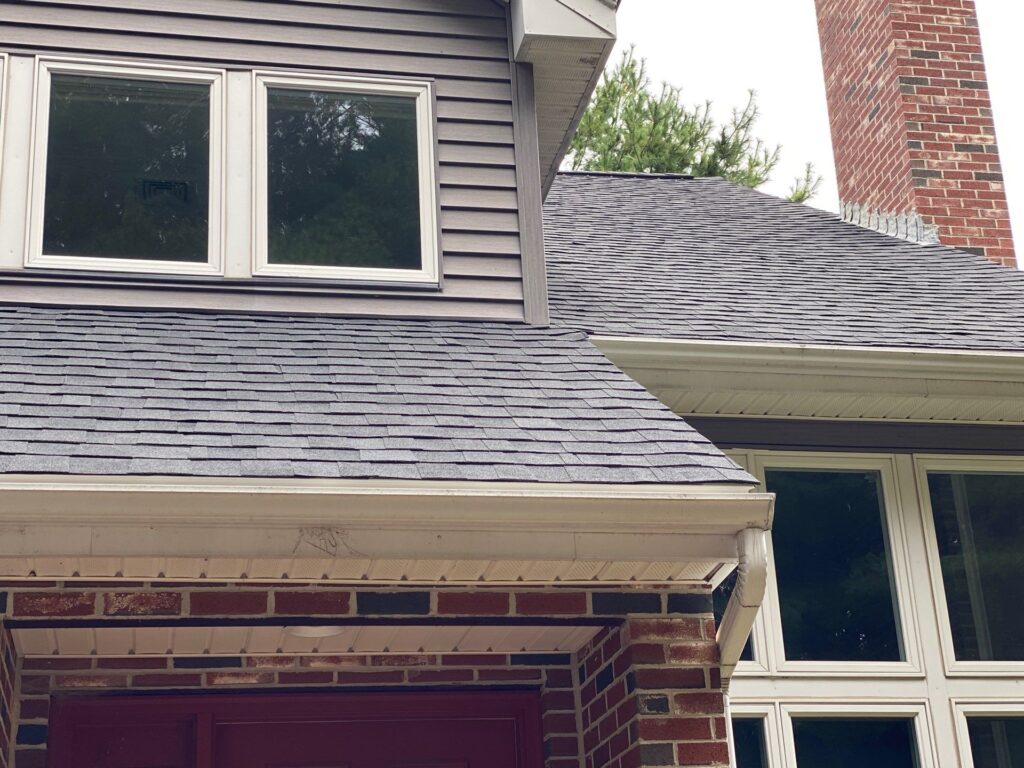
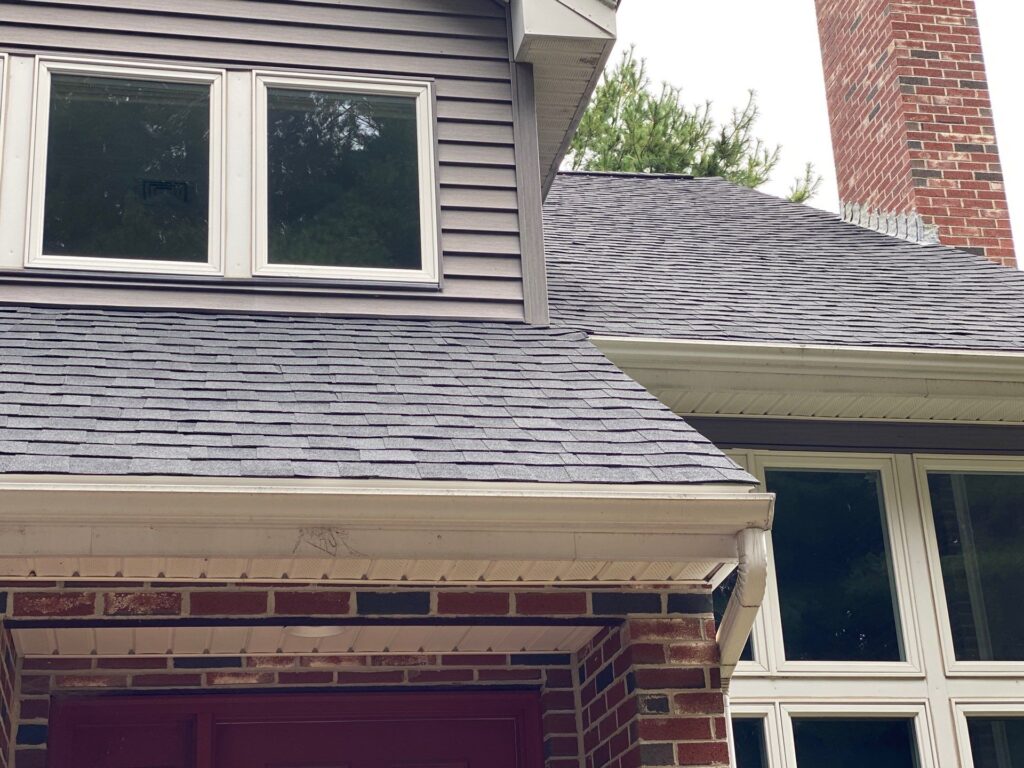
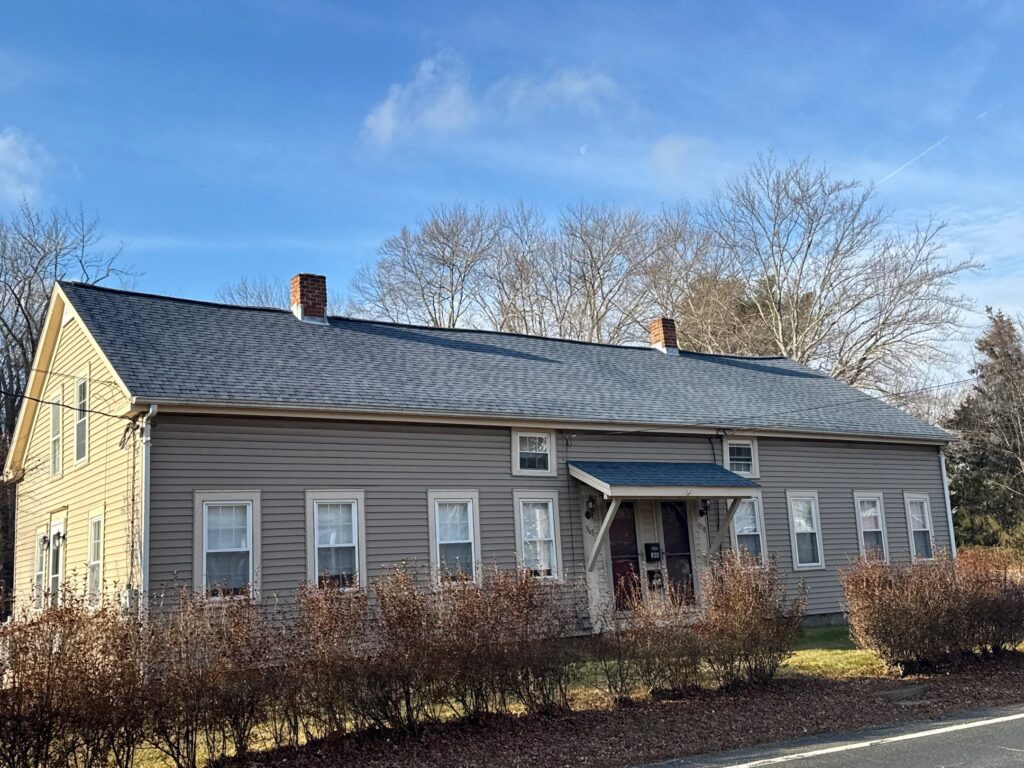
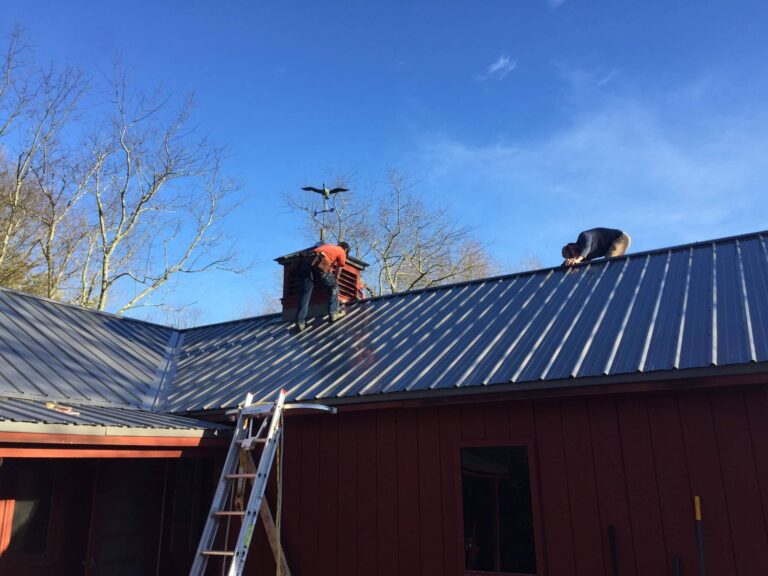
Another job completed right here in Pascog, RI: Residential Roof Replacement by Pinnacle Roofing & Skylights. At Pinnacle we know
Just wrapped up in Burrillville, RI: a Residential Roof Replacement completed by Pinnacle Roofing & Skylights. At Pinnacle we know
Completed in Pascog, RI: a Residential Roof Replacement by the team at Pinnacle Roofing & Skylights. At Pinnacle we know
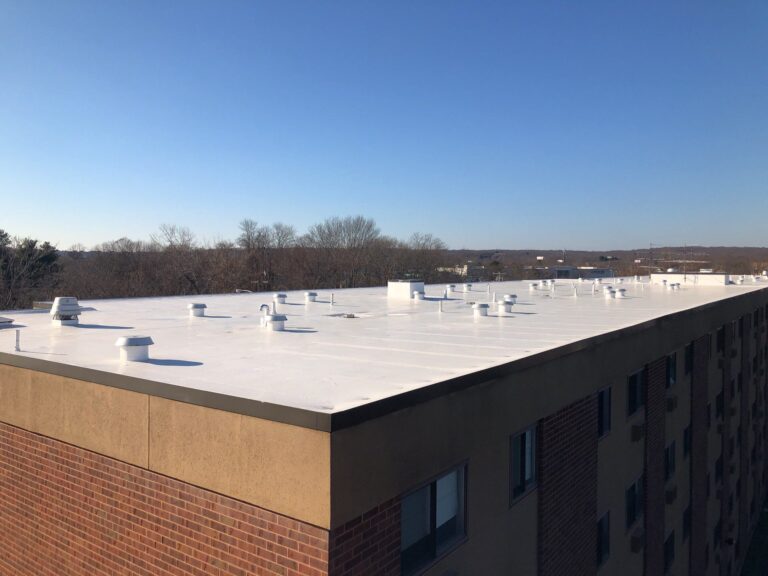
The typical small retail and service businesses in Pascoag’s Main Street village center does not exist in isolation – it shares roof space with substantial mechanical equipment that commercial roofers must integrate into the roofing system. HVAC units, exhaust fans, ductwork, electrical conduit, satellite receivers, and antenna arrays all occupy commercial roof space, creating both functional requirements and failure risks. Each piece of equipment represents a penetration through the roof membrane – a location where water could potentially find entry if not properly protected. Equipment vibration during operation can move flashings, open seams, and promote accelerated wear on adjacent roofing materials. Equipment removal for maintenance or replacement creates temporary exposed membrane areas. Snow and ice accumulation around equipment has different characteristics than accumulation on open roof surfaces. The roof drainage system must be designed around equipment placement – drains cannot be positioned directly beneath discharge from equipment exhaust. Electrical grounding for equipment may require roof-mounted conductors or grounding plates. Commercial roofers design the roof system with full knowledge of what equipment exists or may be added later. They coordinate with mechanical contractors on proper flashing specifications and installation. They specify permanent access paths and work platforms to separate equipment maintenance from roof membrane areas. Residential roofs rarely host this level of equipment complexity.
Property managers in Pascoag facing a choice between expensive replacement and inadequate patching now have access to proven silicone coating systems.
Silicone polymers cure into a highly cross-linked, rubber-like solid through moisture-induced condensation polymerization. This mechanism differs fundamentally from acrylic coatings, which cure by water evaporation and are therefore vulnerable to re-wetting. Acrylic-coated roofs in Pascoag’s climate experience destructive expansion and contraction as morning dew penetrates the coating. Silicone’s chemistry resists this because the cured polymer contains no water-soluble binders. The result is a membrane that achieves superior ponding water resistance and greater longevity in Pascoag’s humid climate. Additionally, silicone polymers maintain elasticity across temperature extremes, from below freezing during Rhode Island winters to heating above one hundred twenty degrees in summer sun exposure.


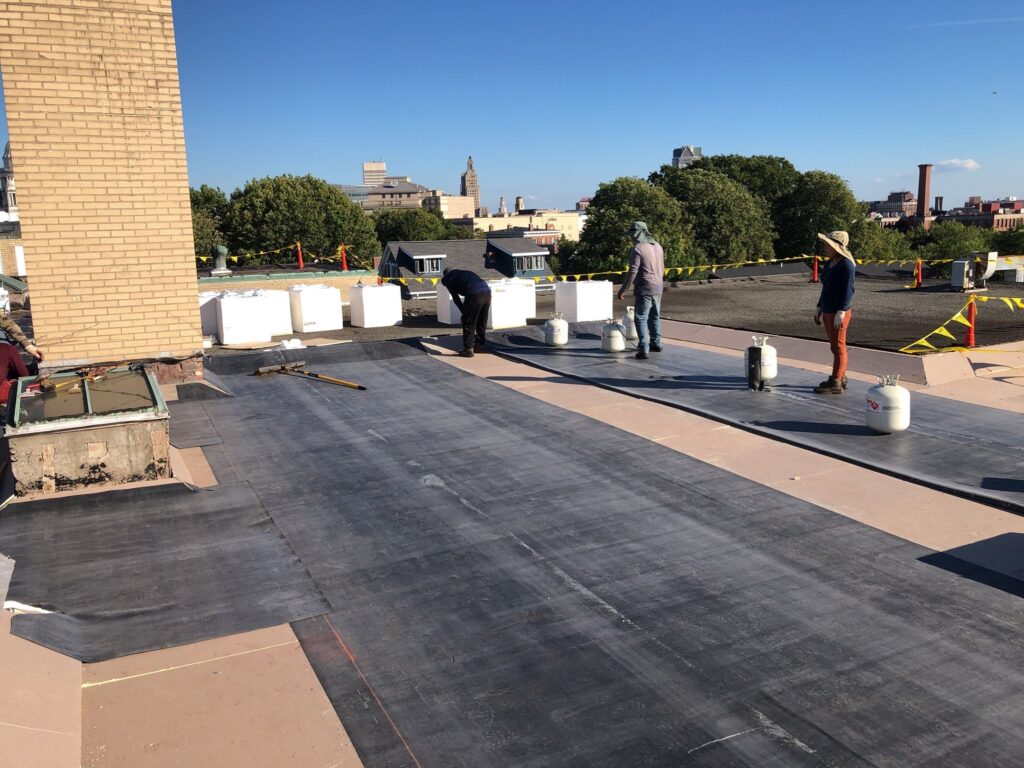
EPDM’s track record on Pascoag commercial buildings spans decades, with countless installations demonstrating reliable protection in New England’s climate.
Pascoag’s freeze-thaw climate creates stresses that eliminate some roofing membrane options but where EPDM excels. When water enters a membrane seam or penetrates a damaged area and then freezes, it expands and creates mechanical stresses that can cause cracking or adhesion failure. Rigid membranes like PVC become brittle at low temperatures and are vulnerable to cracking under freeze-thaw stress. EPDM rubber maintains elasticity well below freezing, allowing it to accommodate expansion and contraction without failure. This property is particularly important at seams, where EPDM’s flexibility prevents the stress concentration that causes failures in less flexible membranes. Pascoag commercial buildings subjected to winter conditions experience daily freeze-thaw cycling during shoulder seasons (November and March), creating particular stress on roofing systems. EPDM’s cold-weather flexibility is one reason it has proven so durable on Pascoag commercial buildings since the 1960s. The polymer’s ability to flex at temperatures approaching minus forty degrees makes EPDM uniquely suited to New England’s climate volatility. Buildings in Pascoag that need roofing with proven cold-weather performance increasingly specify EPDM for this climate-specific reason.
Modified bitumen combines asphalt waterproofing with polymer additives to create a flexible, durable membrane system suited to Pascoag commercial buildings with demanding conditions.
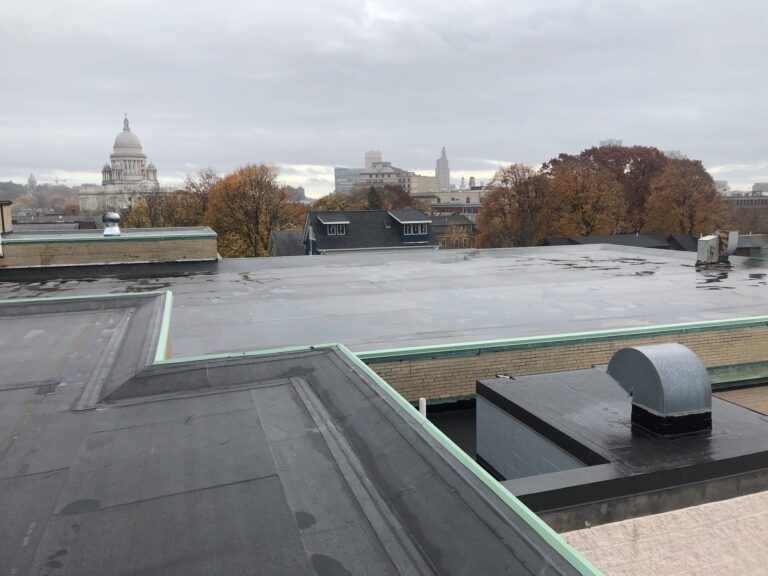
The defining characteristic of modified bitumen is the multi-layer construction: a base sheet fully adhered or mechanically fastened to the substrate, then a cap sheet (typically granule-surfaced) applied over the base. This multi-layer approach creates redundant waterproofing: if the cap sheet is punctured or damaged in one location, the base sheet below still provides complete waterproofing. A single puncture does not penetrate both layers simultaneously unless the damage extends vertically through both sheets at the exact same location. Pascoag commercial buildings with this redundant protection experience dramatically lower failure rates from dropped equipment, foot traffic damage, or sharp roof penetrations. By contrast, single-ply membranes fail catastrophically if penetrated; the entire membrane is compromised at that point. The redundancy cost is real: modified bitumen costs more than single-ply alternatives. But for Pascoag commercial buildings where roof failure creates major consequences (hospital operating rooms, data centers, food processing facilities), the redundant protection justifies the premium cost. Understanding that modified bitumen purchases insurance against single-point catastrophic failure helps Pascoag property managers evaluate the cost-benefit trade-off rationally.
Commercial asphalt shingles installed on Pascoag buildings must meet wind rating, fire rating, and warranty standards specific to commercial applications.
Pascoag commercial buildings with complex rooflines (multiple pitches, valleys, dormers, skylights, parapets) experience higher shingle installation costs and complexity compared to simple rectangular roofs. Each break in the roofline, each valley, each penetration requires careful flashing and shingle alignment. Pascoag commercial buildings designed with complex rooflines by architects create beautiful appearance but increase installation cost and create more potential failure points. Installation costs for complex roofs in Pascoag are often twenty-five to forty-five percent higher than simple roof geometry due to increased labor, flashing complexity, and waste factor. Pascoag property owners planning new commercial buildings should discuss roofline complexity with architects and understand the cost implications for shingle installation. Existing Pascoag commercial buildings with complex rooflines should budget appropriately for replacement, understanding that unit costs per square foot are higher than simple roofs because of geometry complexity.
Standing seam metal roofing appeals to Pascoag commercial operators who value durability, sustainability, and lowest lifecycle cost equally.
Standing seam metal panels feature interlocking ribs where adjacent panels are mechanically seamed together, creating a watertight surface with minimal penetrations. The standing seam design places fasteners entirely on the substrate underneath the metal skin, protecting them from weather exposure and corrosion. Pascoag commercial buildings in exposed locations benefit from standing seam’s exceptional wind resistance: the interlocking panels and concealed fasteners provide wind ratings exceeding one hundred forty miles per hour, among the highest available for any roofing system. The mechanical seaming process creates a positive water stop that sheds water laterally away from seams toward gutters, improving waterproofing compared to adhesive or welded seams that are vulnerable if sealing materials fail. Pascoag coastal buildings experiencing nor’easter winds benefit particularly from standing seam’s wind performance. The design has been proven on Pascoag and Rhode Island commercial buildings for more than forty years, establishing the track record for wind resistance in New England coastal conditions.
Choosing the right commercial roofing system for a Pascoag property depends on the building’s design, current condition, budget, and ownership timeline.
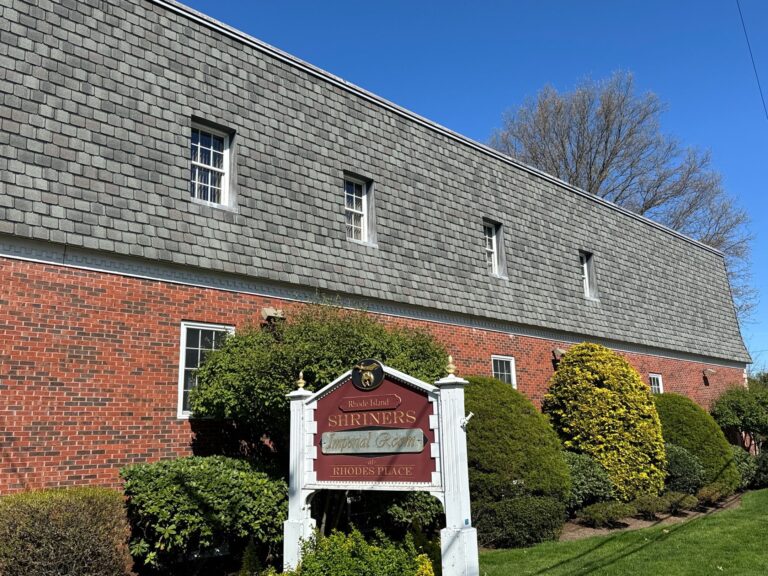
Asphalt shingles on Pascoag commercial steep-slope buildings deliver twenty-five to fifty-year service life at moderate cost (three to six dollars per square foot installed), with aesthetic flexibility through extensive color and profile options. Shingles are suitable only for pitched-roof buildings; they do not work on flat roofs. Pascoag mixed-use buildings, hospitality facilities, and architectural structures with visible rooflines benefit from shingle aesthetics while maintaining commercial code compliance. Luxury shingle lines enhance property value on Pascoag buildings where roof aesthetics contribute to market positioning. The trade-off is that shingles require periodic maintenance (inspection, damage repair, possible cleaning) to achieve their service life. Pascoag commercial buildings with complex rooflines experience higher installation costs than simple geometry. Preservation-listed buildings in Pascoag may face aesthetic restrictions requiring specific shingle profiles.
Mulehide modified bitumen combines asphaltic base materials with elastomeric polymers and silicone additives, creating a hybrid system suited to Pascoag commercial buildings with specific performance requirements. The modification process improves base asphalt’s brittleness vulnerability, allowing Mulehide products to remain flexible in Pascoag’s winter temperatures while resisting flow and deformation during summer heat. Mulehide’s engineering approach creates membranes that function well in both torch-applied and cold-applied installations, giving Pascoag roofing contractors flexibility in application methodology. The embedded silicone in certain Mulehide products provides water resistance and reflectivity benefits particularly valuable on small retail and service businesses with high solar exposure. Pascoag commercial buildings with existing modified bitumen systems often benefit from Mulehide replacement products designed to integrate with aged bituminous substrates. The manufacturer’s emphasis on compatibility with existing systems simplifies restoration projects on Pascoag properties with complex roofing histories.
The interaction between roof system layers on Pascoag commercial buildings determines whether the roof functions properly or prematurely fails.
Cover boards installed over insulation on Pascoag commercial roofs serve multiple protective functions in the integrated system design. The cover board protects underlying insulation from UV degradation (important on Pascoag roofs exposed to intense summer sunlight). The board also provides a stable platform for membrane installation, reducing the risk of membrane wrinkles or tension issues from substrate variations. Pascoag commercial roofing specifications sometimes specify cover boards to provide fire protection or to create defined surfaces for membrane attachment. Gypsum-based cover boards provide the highest fire rating desired on some Pascoag commercial buildings. Fiberglass-reinforced cover boards offer enhanced durability and dimensional stability across Pascoag’s temperature cycles. The cover board layer adds cost to Pascoag commercial roofing systems but often extends overall system longevity by protecting expensive insulation from damage. Properly specified cover boards on Pascoag roofs facilitate easier maintenance access and reduce the likelihood of insulation damage during the membrane’s service life.
Pascoag commercial roofing projects require comprehensive safety systems protecting workers, protecting the building from damage during construction, and protecting the building’s occupants from hazards. Edge protection systems prevent workers from falling during Pascoag projects that involve roof access and movement. Temporary barriers and fencing protect Pascoag property from unnecessary traffic and equipment impacts. Temporary covering systems protect the building’s interior if the roof must be partially opened during replacement work. Weather protection requirements are substantial on Pascoag roofing projects – sudden rainfall can compromise unfinished work, requiring rapid covering systems. Equipment staging prevents damage to the Pascoag building’s exterior or landscape. Noise control measures address operational constraints particular to the Pascoag building’s use and occupancy. Dust control is essential when Pascoag buildings house operations sensitive to airborne contamination. Safety protocols exceed Rhode Island OSHA requirements, ensuring that Pascoag projects maintain high safety standards. The property owner’s insurance requirements are incorporated into project planning. Pascoag commercial buildings occupied during construction require additional coordination to prevent occupant exposure to construction hazards.
Pascoag commercial buildings with knowledge of common failure mechanisms can implement maintenance strategies that prevent costly problems.
Drainage system clogging represents a preventable but common failure on Pascoag commercial roofs where leaves, dirt, and debris accumulate in drain sumps and strainers. Pascoag’s seasonal foliage generates constant debris load, particularly on buildings surrounded by trees. Drain clogging transforms functional drainage systems into non-functional structures, redirecting rainfall into ponding water that stresses the roof. Pascoag commercial buildings in urban locations accumulate atmospheric dust and pollution in drain systems. Degraded membrane fragments and insulation particles sometimes accumulate if the roof is damaged. Pascoag property owners who fail to clear drains seasonally (spring and fall) or after significant leaf drop find that their drainage systems fail. The consequences range from moderate (temporary ponding water that clears when the drain finally unplugs) to severe (structural damage from sustained loading). Pascoag roofs can successfully manage rainfall only if drains remain clear and functional. Semi-annual inspection of Pascoag drains and proactive clearing prevents most drainage-related failures. Pascoag commercial buildings in tree-heavy locations sometimes require more frequent drain maintenance than semi-annual intervals. Scuppers (roof edge overflow drains) similarly require clearing to prevent water backing up across the roof area.
Pascoag commercial buildings experience variable roof longevity based on whether systematic maintenance is performed or deferred.
Pascoag commercial property owners planning long-term ownership (twenty to fifty years) should consider roof lifespan as part of the overall property financial planning. A Pascoag building owner planning to hold property for fifty years might choose metal roofing (forty to fifty year lifespan) rather than EPDM (twenty to thirty year lifespan) because the single installation will potentially serve the entire ownership period. This choice requires higher initial investment but eliminates future replacement. Alternatively, a Pascoag property owner planning thirty year ownership might choose EPDM with comprehensive maintenance planning, expecting to perform replacement toward the end of the ownership period as part of the next owner’s responsibility. Pascoag property investors acquiring buildings with aging roofs should factor roof replacement into the acquisition financial analysis – an apparently inexpensive building with a roof requiring replacement in three years becomes more expensive when replacement costs are included. Pascoag property managers should track when roofs reach the twenty-year age threshold and begin replacement planning proactively. The long-term perspective prevents the emergency replacements that consume disproportionate portions of annual maintenance budgets.
Pascoag property owners should base repair vs. restoration vs. replacement decisions on professional assessment rather than guesswork about roof condition.
Pascoag commercial roof replacement often provides opportunity to address code deficiencies in existing roofing systems that have become non-compliant due to code changes since original installation. Pascoag buildings built in the 1980s and 1990s often have inadequate wind uplift fastening by current code standards. Energy efficiency code requirements have become more stringent, potentially favoring replacement with higher-performance insulation systems over restoration of aging insulation. Accessibility requirements and safety standards have evolved. Pascoag roof replacement provides opportunity to upgrade the building to current code standards in the roofing system. Some Pascoag commercial buildings have sought grants or tax incentives for energy-efficient roof replacement – these incentives make replacement more financially attractive. Pascoag property owners evaluating replacement should consult with code officials and design professionals about opportunities to address code deficiencies as part of the replacement project.
Pascoag property owners choosing commercial roofing contractors benefit from Pinnacle’s commercial-specific expertise and established track record.
Pinnacle’s reputation in Pascoag is built on providing honest assessments about roof condition and straightforward recommendations about repair, restoration, or replacement – without financial incentive to recommend unnecessary upgrades. Pascoag property owners know that if a Pascoag roof can be reliably maintained for another five years through targeted repair, Pinnacle will recommend repair rather than pushing expensive replacement. Conversely, if a Pascoag roof has genuinely reached end-of-service-life, Pinnacle communicates this clearly rather than attempting to extend a failing system through continued patches. This transparent assessment creates long-term Pascoag client relationships where property owners trust contractor recommendations because they are based on honest evaluation rather than financial incentive. Pascoag property owners who have experienced dishonest contractors from competing firms particularly value this integrity. The transparent approach sometimes means recommending lower-cost repairs when Pascoag property owners expected expensive replacement recommendations – this builds trust more effectively than always recommending the most expensive option.
Pascoag property owners comparing roofing quotes should understand what components drive pricing and why estimates may vary between contractors.
Pascoag commercial roofing system selection based on first cost alone ignores lifecycle cost considerations. A Pascoag roof costing forty thousand dollars with twenty year lifespan costs two thousand dollars annually in amortized cost. A Pascoag roof costing sixty thousand dollars with thirty year lifespan costs two thousand dollars annually – the same cost despite higher first cost. Pascoag commercial property owners planning long-term ownership benefit from higher-cost, longer-life systems (metal roofing at forty to fifty year life, premium EPDM systems at twenty-five to thirty years) that deliver better lifecycle economics. Pascoag property owners with shorter planning horizons might prefer lower-cost systems even if lifecycle costs are higher. The lifecycle analysis should account for maintenance costs too – a low-cost system requiring frequent expensive maintenance might have worse lifecycle economics than higher-cost systems with minimal maintenance. Financing through Synchrony Financial makes every Pascoag commercial roofing project affordable with low monthly payments and zero percent interest options.
Storm-Damaged Roofs Require Fast Action
When you find storm damage on your roof in Rhode Island, swift action can be crucial. Contacting trusted roofing professionals like us for a thorough inspection. Our expert team will assess the damage and determine if roof repairs or roof replacement is recommended. With New England’s predictably unpredictable weather, it is important repairs happen quickly to prevent further loss.
Jennifer WeinraubTrustindex verifies that the original source of the review is Google. Very easy group to work with. We had leaks in a fairly new rubberized roof that was installed by someone else. They came out to evaluate the roof quickly as it was leaking, did a thorough evaluation, and then fit us in as an emergency repair. Mike CholkoTrustindex verifies that the original source of the review is Google. Scott and his crew from Pinnacle Roofing were flexible in scheduling and a pleasure to work with. They were thoroughly in installing my Velux Skylight. In addition, they noticed a few other issues with my roof and were quick to acquire the supplies to fix the roof. Highly recommend working with a business that is local and competent. Paul YelleTrustindex verifies that the original source of the review is Google. I had a skylight which had deteriorated and needed replacement. I called Pinnacle and found them to be responsive, personable, and efficient. I will call them again, if needed. jorge matesanzTrustindex verifies that the original source of the review is Google. Overall satisfactory. Mary Ellen LemireTrustindex verifies that the original source of the review is Google. We recently replaced our 38 year old skylights with Velux Solar skylights with Pinnacle Roofing and Skylights. From the first visit to our home with Joe F. to the completion of the job everything went perfectly. Joe explained everything from installation of the product with expertise and patience. We had many questions and he took the time to answer them all. The estimate was much lower than the other 3 we obtained but the installation was top notch. Joe and the owner Scott were both here the day the skylight were installed and all went so well. They were even able to match the color of our shingles which were nine years old. In never thought they would be such a perfect match. Our thanks and gratitude to all at Pinnacle for doing such a wonderful job. We couldn't be more happy. Thank you so much. We will not hesitate to recommend you to everyone we know who needs a new roof or skylights. Alan LemireTrustindex verifies that the original source of the review is Google. When I decided to have four 38 year old skylights replaced I requested quotes from four different installers. Pinnacle was by far the lowest. I admit that I was a little skeptical. I remembered the old saying to throw out the highest and the lowest and go with someone in the middle. But, I was very impressed with Joe F. the sales rep. He was the most professional, gave me an excellent presentation and provided printed details on the construction of the Velux skylights and the options available. He also included step by step procedures that they would follow to install the skylights. I checked out their office in North Kingston. It is located in the rear of an old stone mill building in a section called "The Hive". it's small and not at all flashy but a testament to the frugality of the business and I believe that this shows up in their desire to provide excellent customer service at a reasonable price. The crew arrived on time for the installation, were friendly and very hard working. I watched the first install and they followed the Velux installation to the letter as seen in the YouTube Velux video. The owner, Scott, even stopped by to check on the job. At the end of the day everything was cleaned up properly and the dumpster was picked up the next morning. Overall I am extremely happy with Pinnacle and would recommend that you give them a shot. Matthew KachanisTrustindex verifies that the original source of the review is Google. We just had a new black roof with matching gutters and downspouts installed and the whole process was excellent. Scott, the owner, was extremely thorough in his inspection—he checked everything including the attic—and provided a very accurate quote. During the job, he kept me updated with pictures so I knew exactly what was happening, even when additional plywood was needed. The crew worked neatly, on time, and left everything spotless. Professional, courteous, and fair. Highly recommend Scott and his team for anyone needing roofing work! Lawrence NordinTrustindex verifies that the original source of the review is Google. Dave JTrustindex verifies that the original source of the review is Google. Just wanted to praise Pinnacle Roofing Skylights for their excellent job replacing our roof. Top notch company from day 1. After calling a few local companies, we ended up having 6 estimates, narrowed it down to 2 companies based on competitive pricing, first impression meeting when they stopped by the house to do the inspection prior to submitting the quote. Joe was very nice and extremely knowledgeable, answered all the questions we had. Also the only one to go up on the roof for inspection. Once we received the estimates. We knew we wanted Pinnacle. They provided an excellent presentation with the company information, the roof shingle options, the warranties & much more. It took about 1 month from first reaching out to the roof installation. Scott & Joe were present that day, they made sure everything was running great. We were also impressed with the crew as well, they worked very hard, the clean up was excellent! Will highly recommend. This company is in their own league when it comes to roof replacement. It has been about a month since installation with no issues. Exceptional, so glad we found you. Robert MoskolTrustindex verifies that the original source of the review is Google. Recently had Skylights installed by Pinnacle Roofing. Owner Scott Olsen very easy to work with. Pricing very fair and working done promptly. Workers came prepared site left clean. Highly recommend Pinnacle for roofing needsVerified by TrustindexTrustindex verified badge is the Universal Symbol of Trust. Only the greatest companies can get the verified badge who has a review score above 4.5, based on customer reviews over the past 12 months. Read more