nn
Skip to content
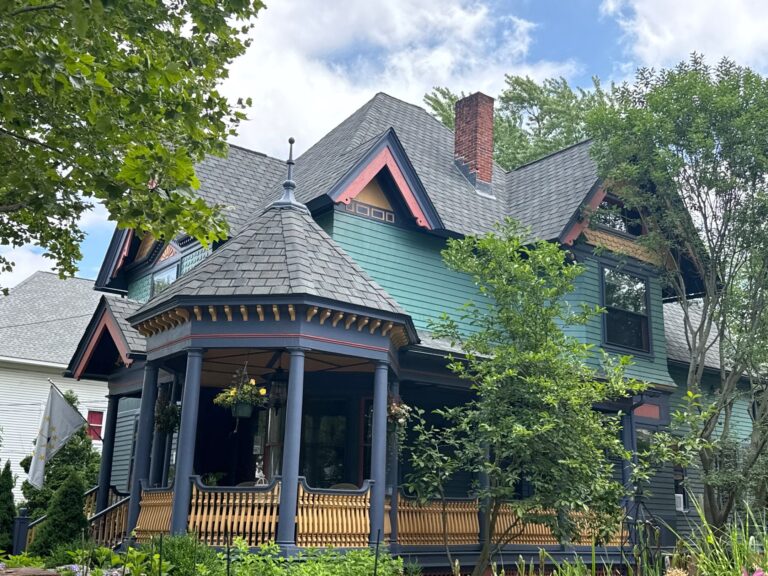
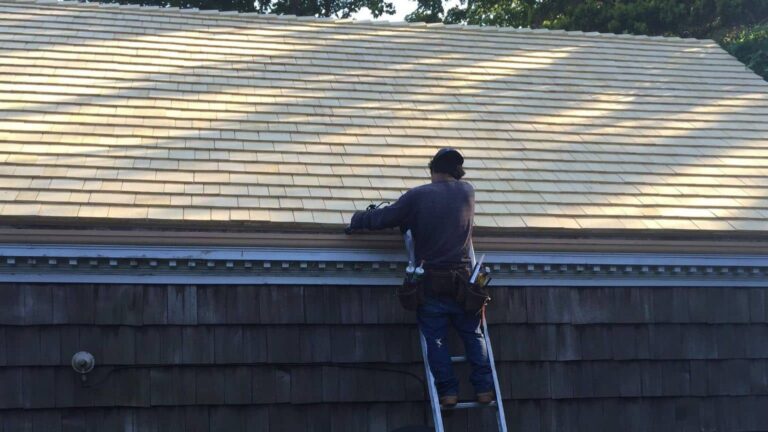
Preserving Providence’s character while delivering modern protection—that was the goal for this historic home roof replacement. Materials were carefully selected
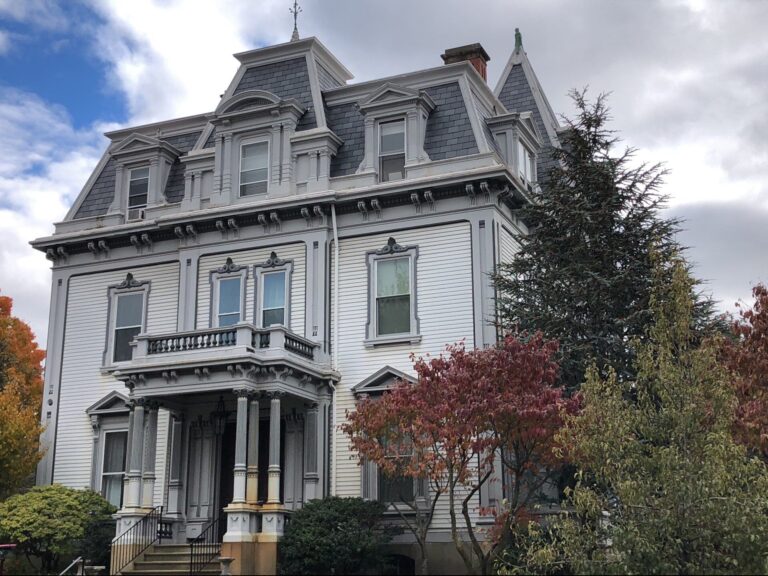
Just wrapped up in Providence, RI: a Residential Roof Replacement completed by Pinnacle Roofing & Skylights. At Pinnacle we know
Historical roof replacement near Triple-decker neighborhoods in Pawtucket requires a different approach than standard residential work. Pinnacle starts every project with research — identifying the home’s architectural period, understanding which materials are period-appropriate, and determining whether commission approval is needed. While Pawtucket may not have a formal historic district commission, many older homes carry architectural character worth preserving. We assess the structural capacity of the existing framing, especially important if the homeowner is considering heavy materials like natural slate. We document decorative elements throughout the roofline that must survive the tear-off and installation process intact. For homes across Triple-decker neighborhoods and properties along City park settings, we factor in local conditions — Winter roof issues (ice dams) — that affect material selection and long-term performance. Our material presentations include clear comparisons: authenticity level, weight implications, lifespan expectations, maintenance requirements, cost, and likelihood of commission approval. Once you choose a direction, we source materials with appropriate lead times, schedule the project, and execute with careful installation practices that protect the home’s character.
For historic homes in Pawtucket where natural slate or shake is not required by a commission, luxury-grade asphalt shingles provide excellent period aesthetics at a fraction of the cost. Properties near Triple-decker neighborhoods with Mill buildings and conversions often choose this option.
Luxury-grade asphalt from CertainTeed, GAF, and Owens Corning has advanced to the point where premium product lines closely approximate the dimensional appearance of natural slate and wood shake. For Pawtucket homeowners in Triple-decker neighborhoods with Mill buildings and conversions that don’t require commission-specified materials, these shingles offer the most accessible entry point to historically sensitive roofing. CertainTeed’s Belmont line, GAF’s Grand Sequoia, and the Owens Corning Berkshire Collection all create the layered, textured appearance that suits period architecture. No structural reinforcement is needed — these products install on standard roof framing. Lifespans range from 30 to 50 years depending on product line, exposure to Winter roof issues (ice dams), and ventilation quality.
For Mill buildings and conversions in Pawtucket where natural slate would be historically accurate but impractical, composite slate from DaVinci and Brava offers a compelling alternative that many commissions now accept.
DaVinci Roofscapes and Brava Roof Tile manufacture composite slate profiles that closely match the color, texture, and dimensional profile of natural quarried slate. Where natural slate would be historically accurate but impractical due to weight or budget, composite slate offers a compelling alternative. These products install on standard roof framing without structural reinforcement, weigh a fraction of natural stone, and deliver 50-plus year lifespans with virtually no maintenance. Impact resistance and wind ratings meet the demands of Winter roof issues (ice dams). Multi-width profiles create the authentic, varied appearance of a hand-laid slate roof — the kind of detail that matters on Mill buildings and conversions near Triple-decker neighborhoods. Many historic commissions across Rhode Island now accept composite slate as an approved alternative to natural stone.
Shake roofing — natural or composite — restores the original wood character that many of Pawtucket’s oldest homes near Triple-decker neighborhoods were built with, from colonial farmhouses to Cape-style properties.
Both natural cedar and DaVinci composite shake serve historic homes where wood roofing was original. Composite shake eliminates the fire risk, rot, and constant maintenance that natural cedar demands while delivering 50-plus years of protection. For Mill buildings and conversions near Triple-decker neighborhoods, the appearance is virtually indistinguishable from hand-split cedar at street level. Natural cedar remains an option for homeowners across Triple-decker neighborhoods who prioritize absolute authenticity — it weathers to the silver-gray patina that defines many older New England homes along City park settings. Cedar lifespans run 20 to 30 years with regular upkeep, shorter where moisture and shade dominate. We help homeowners weigh the trade-offs between natural and composite shake, factoring in commission requirements, local conditions including Winter roof issues (ice dams), and long-term maintenance expectations.
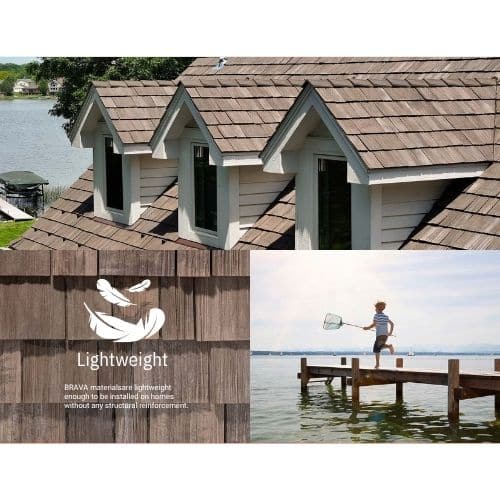
Brava’s Cedar Shake profile provides the natural wood look Pawtucket historic homeowners near Triple-decker neighborhoods want with the fire safety, durability, and low maintenance that modern materials deliver.
Brava Cedar Shake tiles are manufactured from recycled materials and molded to replicate the texture and color variation of natural cedar. Each tile carries a Class A fire rating — significantly safer than natural wood shake, an important consideration for properties where wooded surroundings present seasonal fire risk. UV-stable coloring means the roof maintains its appearance without the silver-gray weathering that natural cedar undergoes. The tiles are lightweight and walkable, making installation and any future maintenance straightforward. Brava Cedar Shake is well suited for Mill buildings and conversions near Triple-decker neighborhoods and coastal or rural properties where the wood shake appearance complements the home’s character. Many commissions that want the wood shake look without fire risk approve Brava as an alternative to natural cedar. The result is a roof that looks authentically period-appropriate while delivering 50-plus years of protection.
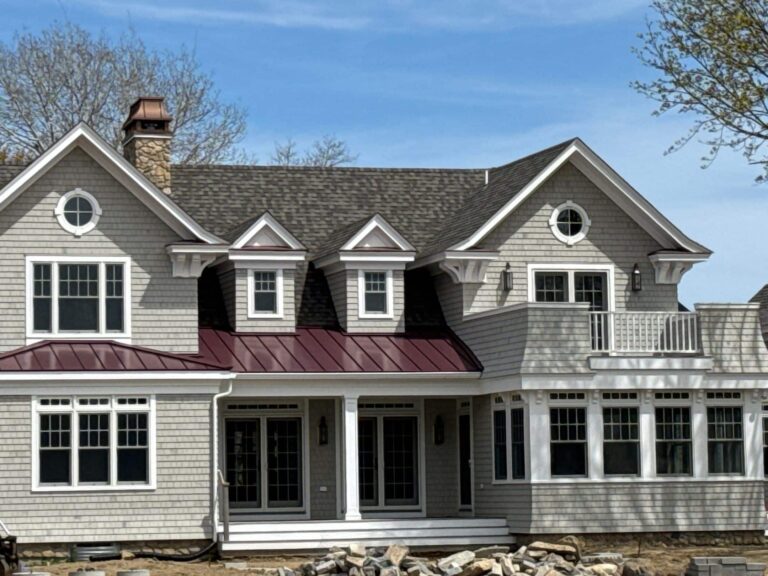
Metal roofing plays a distinctive role in historical roof replacement near Triple-decker neighborhoods in Pawtucket — particularly on porch roofs, low-slope sections, and accent areas where tin or copper was part of the home’s original design.
Restoring original metal porch roofing is often critical where tin or terne-coated sections covered entry porches, dormers, and bay window tops. Original metal corrodes severely, develops leaks and rust staining, and degrades the home’s period character. Modern standing seam metal reproduces the traditional tin appearance with superior durability and weather performance. Copper is available where original documentation supports its use — it weathers to the signature green patina over decades along City park settings. Metal is the only practical material for complex porch geometry and low-slope transitions common on historic homes across Triple-decker neighborhoods. It sheds water and ice efficiently despite challenging climate conditions. Historic commissions expect metal for these accent areas and accept nothing else; proper restoration enhances the home’s historical authenticity.
Choosing the right material for a historical roof replacement near Triple-decker neighborhoods in Pawtucket involves balancing authenticity, structural requirements, maintenance, cost, and commission acceptance.
Natural slate offers the highest authenticity for many Rhode Island architectural styles and can last 75 to 150 years, but it is the heaviest and most expensive option, often requiring structural reinforcement. Composite slate from DaVinci or Brava closely replicates the appearance at a fraction of the weight, with 50-plus year lifespans and acceptance by many commissions. Natural cedar shake is historically accurate for colonial homes but requires regular maintenance and has a shorter 20 to 30 year lifespan. Composite cedar shake provides the same appearance with fire safety and minimal maintenance over 50-plus years. Premium architectural asphalt shingles are the most affordable option for Mill buildings and conversions across Triple-decker neighborhoods and work well outside strict commission oversight, with 30 to 50 year lifespans. Standing seam metal is typically used for accent areas — porch roofs, dormers, and low-slope sections along City park settings — where tin or copper was original. The right choice depends on your specific home, its designation status, and your goals. We evaluate all factors and present options with clear trade-offs.
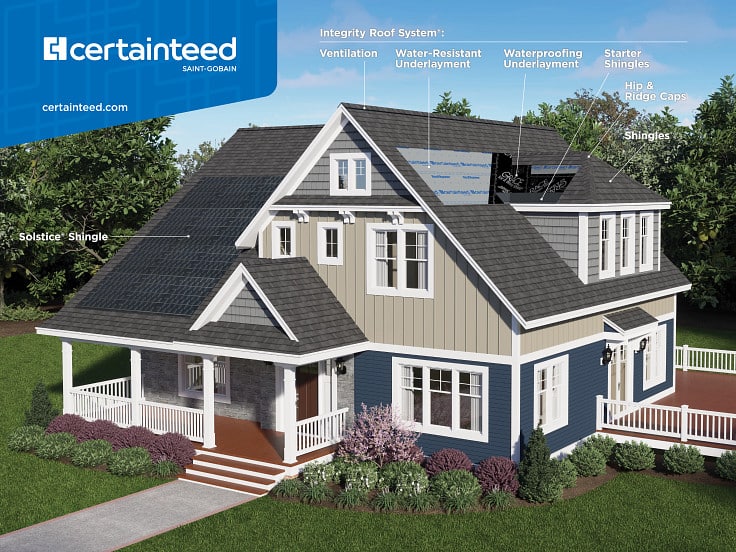
We work with manufacturers whose products are designed or suitable for historic applications. DaVinci Roofscapes manufactures composite slate and shake profiles engineered to replicate natural materials with modern durability — ideal for Mill buildings and conversions near Triple-decker neighborhoods. Brava Roof Tile produces composite cedar shake and slate tiles from recycled materials, offering Class A fire ratings and UV-stable coloring. CertainTeed’s Belmont and Grand Manor luxury asphalt lines provide dimensional depth that approximates natural materials for homes outside strict commission requirements across Triple-decker neighborhoods. CertainTeed also manufactures the Integrity Roof System components that form the foundation of every properly installed roof. GAF’s Camelot and Grand Sequoia profiles and Owens Corning’s Berkshire Collection round out the premium asphalt options. For metal accent areas on homes along City park settings, Firestone Una-Clad standing seam systems provide the durability and clean profiles appropriate for historic porch roof restoration. We help homeowners navigate these choices, matching the right product to the home’s style, commission requirements, and budget.
A historical roof replacement on Mill buildings and conversions near Triple-decker neighborhoods in Pawtucket involves a complete roofing system — not just the visible material. Every layer works together to protect irreplaceable interior finishes.
Every historical roof replacement we complete follows a complete system approach. Waterproofing underlayment shields vulnerable areas at eaves, valleys, and penetrations. Synthetic underlayment covers the full deck for secondary moisture protection. Proper starter course installation ensures wind resistance against Winter roof issues (ice dams). The selected historic-appropriate material installs per manufacturer specs. Hip and ridge details match the chosen profile. Ventilation integrates with the existing architecture of Mill buildings and conversions near Triple-decker neighborhoods without visible exterior changes. Custom flashing — fabricated specifically for each home’s chimneys, dormers, walls, and architectural details across Triple-decker neighborhoods — is where quality installation separates good work from great work on historic homes along City park settings.
Step one is an on-site assessment of existing roof condition, architectural style, structural capacity, and historic details requiring preservation on Mill buildings and conversions near Triple-decker neighborhoods. Step two is historical research — identifying the home’s architectural period and any commission requirements. Step three is commission coordination where applicable — preparing applications with material specs and color samples. Step four is material recommendation — presenting options that satisfy requirements, match the home’s character, and fit the budget, with clear trade-offs. Step five is a detailed written estimate covering materials, labor, structural work if needed, and timeline. Step six is material sourcing — specialty products like composite slate and custom metalwork often need advance ordering. Step seven is installation — careful tear-off protecting trim and details across Triple-decker neighborhoods, proper system layers, and new material installed to manufacturer specs. Step eight is a final walkthrough with documentation for commission records if required. Throughout the process, communication is clear — you know what is happening at every stage.

Historic roofs on Mill buildings and conversions near Triple-decker neighborhoods in Pawtucket develop specific problems over time that differ from issues found on newer homes. Recognizing these conditions helps homeowners understand the scope of replacement.
Historic homes develop characteristic problems over time. Deteriorating primary materials — cracked or missing slate, rotting wood shake, rust-compromised metal porch roofing — represent the most obvious damage. Flashing failures at chimneys, dormers, and wall transitions are frequent culprits in leak development on Mill buildings and conversions across Triple-decker neighborhoods, as original lead and galvanized fasteners corrode through decades. Structural stress manifests as sagging ridges or bowing walls from the cumulative weight of heavy materials like natural slate. Ice dam formation plagues homes along City park settings that lack modern insulation and ventilation, especially in harsh climate zones. Accumulated patch repairs using mismatched materials, roofing cement, and improper techniques create a patchwork appearance and compromise both function and character. Some properties received basic three-tab asphalt re-roofing at some historical point, obscuring the original period material entirely—this actually presents an opportunity for restoration. Biological growth (moss, lichen, algae) colonizes shaded roofs and accelerates decay. Our thorough assessment identifies every issue, not just surface problems.
Lifespan expectations for historical roofing in Pawtucket depend heavily on the material chosen and the conditions the roof faces near Triple-decker neighborhoods.
Natural slate leads all roofing materials with lifespans of 75 to 150 years or more, though the fasteners and flashing components need replacement sooner on homes near Triple-decker neighborhoods. Natural cedar shake delivers 20 to 30 years with regular maintenance — somewhat less in areas with heavy moisture along City park settings. Composite slate from DaVinci and Brava provides 50-plus year lifespans with minimal maintenance on Mill buildings and conversions across Triple-decker neighborhoods. Composite cedar shake similarly delivers 50-plus years without rot, fire risk, or maintenance demands. Premium architectural asphalt in luxury product lines offers 30 to 50 year lifespans depending on product and exposure to local weather. Standing seam metal and copper accent roofing lasts 50 to 100 years or more. Heavy moisture and shade along City park settings can promote moss and algae growth that affects material longevity. Proper material selection and installation practices appropriate to your property’s conditions help ensure your historical roof delivers its full expected lifespan.
Knowing when a historic roof near Triple-decker neighborhoods in Pawtucket has reached end of life helps homeowners plan a proper replacement rather than continuing to patch an aging system.
For historic homes, replacement indicators include widespread material failure across the roof, recurrent leaks despite repairs, structural concerns visible from the attic, and a history of patchwork using mismatched materials that compromise the home’s appearance. Mill buildings and conversions across Triple-decker neighborhoods that were re-roofed with standard asphalt shingles at some point now have the opportunity to restore historically appropriate materials when those shingles reach end of life. We assess every home along City park settings honestly — if targeted repairs can protect the home effectively, we recommend repairs. When the roof has reached a point where continued patching costs more than it saves and diminishes the home’s character, we help homeowners plan a replacement that uses the right materials, respects the architecture, and invests in the property’s future.
Choosing the right contractor for a historical roof replacement on Mill buildings and conversions near Triple-decker neighborhoods in Pawtucket affects not just the installation but the preservation of irreplaceable architectural character.
Historic homes deserve a contractor who understands period architecture and preserves character with every decision. We specialize in this work exclusively. We research each Mill buildings and conversions’s architectural period and regional building traditions before recommending a single material. We coordinate with historic district commissions when applicable, handling applications, specifications, and approval timelines. Our crews are trained in careful tear-off around decorative cornices, trim, and moldings across Triple-decker neighborhoods that define character. Custom flashing fabricated for each home’s specific geometry along City park settings prevents leaks that plague historic rooflines. We contain debris carefully to protect period landscaping and established gardens. Licensed for both residential (39446) and commercial (261) work, fully insured, and prepared with detailed cost breakdowns that show exactly where your investment goes. We listen first to what you want to achieve with your property—and we build the project around your goals, not a preset product list.
Budgeting for historical roof replacement on Mill buildings and conversions near Triple-decker neighborhoods in Pawtucket means accounting for specialized materials, complex rooflines, custom metalwork, and the preservation care that standard roofing projects do not require.
Historical roof replacement cost reflects the specialized nature of this work. Material choice dominates the budget: natural slate is highest cost but offers 75-150 year longevity; composite slate and shake deliver 50+ years at moderate cost; premium asphalt is most affordable with 30-50 year lifespan. Historic homes across Triple-decker neighborhoods with complex rooflines—multiple planes, dormers, architectural articulation—require more material and labor than simple designs. Custom flashing and metalwork around chimneys, transitions, and decorative elements along City park settings is essential for historic preservation and affects cost significantly. Structural engineering and potential reinforcement add cost when original framing is marginal for selected material weight. Historic district commission coordination (applications, materials research, approval processes) affects timeline and labor. Lead times for specialty materials (natural slate, engineered composites) require advance ordering and project planning. Protection of existing trim, careful tear-off, and debris management during installation takes longer than standard roofing. We break down costs component-by-component in writing. Review our Rhode Island roof cost guide for general reference points. 0% interest financing through Synchrony Financial and flexible monthly payment options make high-quality historical replacement financially accessible.

Storm-Damaged Roofs Require Fast Action
When you find storm damage on your roof in Rhode Island, swift action can be crucial. Contacting trusted roofing professionals like us for a thorough inspection. Our expert team will assess the damage and determine if roof repairs or roof replacement is recommended. With New England’s predictably unpredictable weather, it is important repairs happen quickly to prevent further loss.