nn
Skip to content
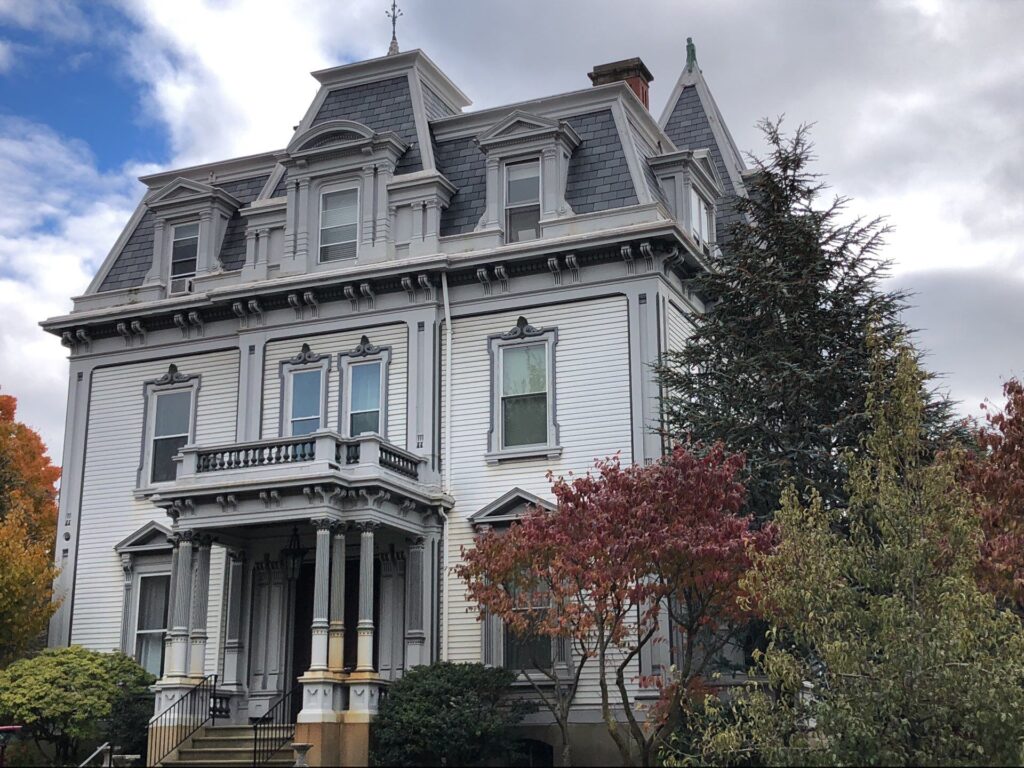
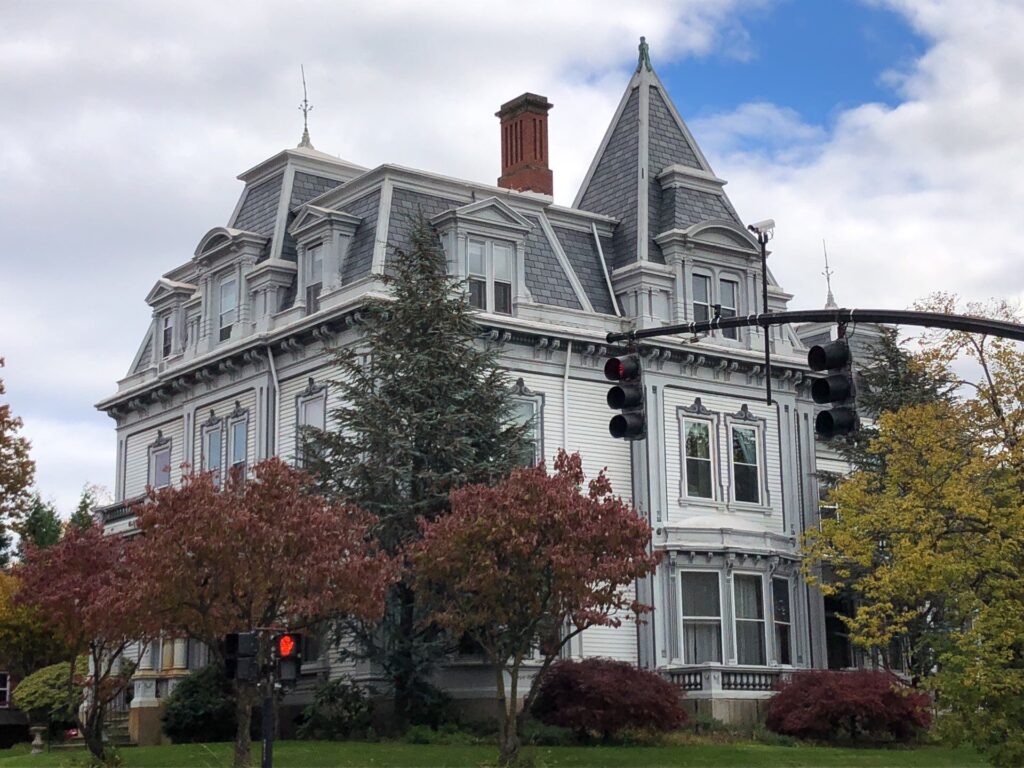
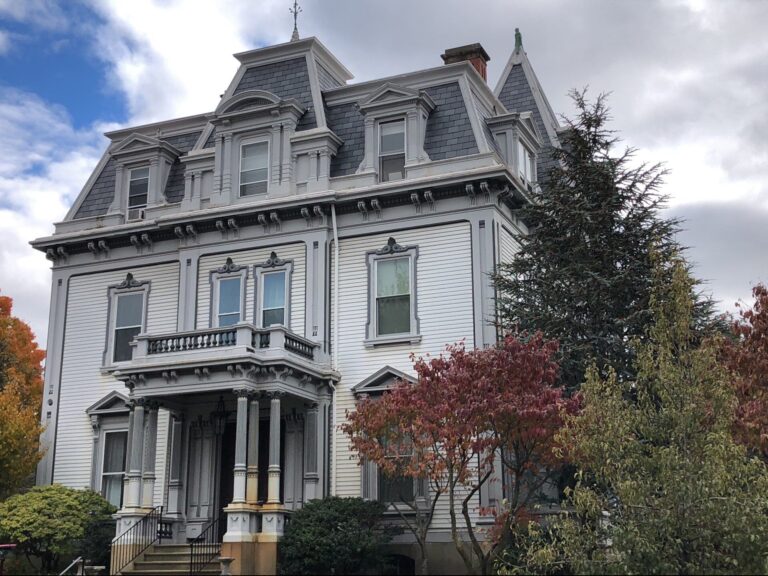
Preserving Providence’s character while delivering modern protection—that was the goal for this historic home roof replacement. Materials were carefully selected
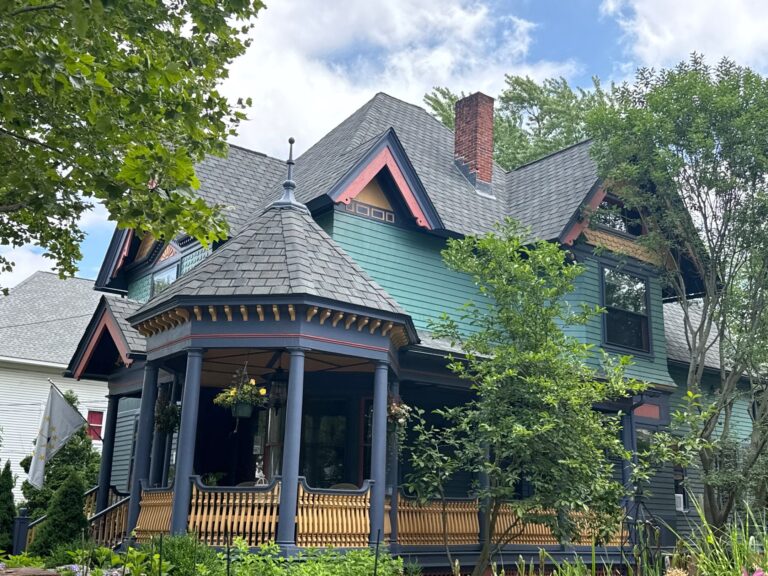
Just wrapped up in Providence, RI: a Residential Roof Replacement completed by Pinnacle Roofing & Skylights. At Pinnacle we know
Preserving Providence’s character while delivering modern protection—that was the goal for this historic home roof replacement. Materials were carefully selected
Historical roof replacement near Slatersville Historic District in Slatersville requires a different approach than standard residential work. Pinnacle starts every project with research — identifying the home’s architectural period, understanding which materials are period-appropriate, and determining whether commission approval is needed. While Slatersville may not have a formal historic district commission, many older homes carry architectural character worth preserving. We assess the structural capacity of the existing framing, especially important if the homeowner is considering heavy materials like natural slate. We document decorative elements throughout the roofline that must survive the tear-off and installation process intact. For homes within Forestdale and properties around Mill ponds, we factor in local conditions — Pine needle accumulation (wooded setting) — that affect material selection and long-term performance. Since Slatersville falls within the Town of North Smithfield, permits are issued through their office. Our material presentations include clear comparisons: authenticity level, weight implications, lifespan expectations, maintenance requirements, cost, and likelihood of commission approval. Once you choose a direction, we source materials with appropriate lead times, schedule the project, and execute with careful installation practices that protect the home’s character.
Luxury asphalt shingles bring dimensional depth and shadow lines that approximate natural materials — a strong choice for Slatersville historic homes near Slatersville Historic District that want character without the premium price of natural slate.
When historic commission requirements allow flexibility in material choice, premium architectural asphalt becomes an appealing option for Slatersville homes near Slatersville Historic District. Owens Corning‘s Berkshire Collection, GAF‘s Grand Sequoia and Camelot profiles, and CertainTeed‘s Grand Manor line deliver the shadow lines and dimensional appearance that make Capes, colonials, and ranches (throughout town) look period-appropriate. Weight is minimal — no structural upgrades needed on existing roof decks. 30 to 50 year lifespans, contingent on product grade, climate exposure like Pine needle accumulation (wooded setting), and adequate ventilation, make these shingles a practical choice for budget-conscious homeowners who want authenticity without premium material costs.
For Capes, colonials, and ranches (throughout town) in Slatersville where natural slate would be historically accurate but impractical, composite slate from DaVinci and Brava offers a compelling alternative that many commissions now accept.
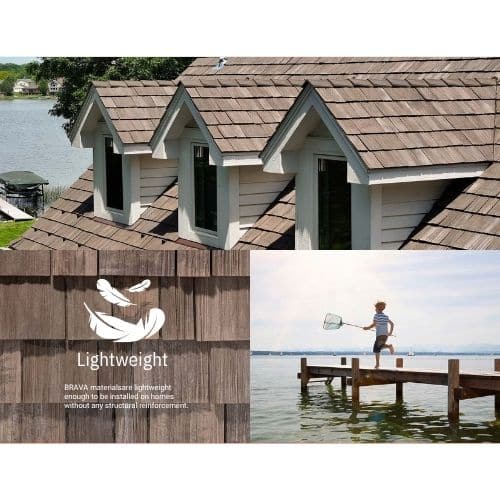
DaVinci Roofscapes and Brava Roof Tile produce composite slate that replicates quarried stone’s color, texture, and profile with remarkable accuracy. Composite slate solves the problem of wanting authentic appearance without the extreme weight and cost of natural stone. Structural reinforcement is unnecessary — these lightweight tiles install on existing framing. Impact resistance handles challenging climates that would crack natural slate, and 50-plus year lifespans mean the investment lasts. Multi-width profiles give the varied, natural look that commissions expect on period homes within Forestdale. Composite slate has gained acceptance with many Rhode Island historic district commissions as a practical alternative that preserves aesthetic integrity.
Wood shake and composite shake options are ideal for Slatersville’s colonial farmhouses, Cape Cod homes, and Shingle-style properties near Slatersville Historic District that originally featured wood roofing.
DaVinci Shake profiles replicate the appearance of hand-split cedar shake with none of the maintenance, fire risk, or rot concerns that come with natural wood. For homeowners who want the rustic character of wood shake on Capes, colonials, and ranches (throughout town), composite shake delivers a 50-plus year lifespan with minimal upkeep. Natural cedar shake remains available for projects where absolute authenticity is required. Cedar weathers to a silver-gray tone that suits many historic homes around Mill ponds, though it requires regular maintenance and fire treatment. Natural cedar lifespans range from 20 to 30 years, somewhat less in areas with heavy moisture and shade. Commission approval is common for both natural and composite shake on appropriate architectural styles. We assess your home’s period, discuss material trade-offs, and help you choose the shake product that balances authenticity, longevity, and budget.
Brava’s Cedar Shake profile provides the natural wood look Slatersville historic homeowners near Slatersville Historic District want with the fire safety, durability, and low maintenance that modern materials deliver.
Brava Cedar Shake tiles replicate natural cedar’s texture and color variation using recycled materials and precision molding. The appearance satisfies both homeowners and commissions while eliminating cedar’s fire risk, rot susceptibility, and maintenance demands. Class A fire ratings make Brava a responsible choice for properties around Mill ponds with mature tree cover. UV-stable coloring maintains the roof’s appearance over decades without the silvering that natural wood undergoes. At 50-plus years of expected lifespan with virtually no maintenance, Brava Cedar Shake costs less over time than natural cedar despite a higher initial investment. Commissions frequently approve these tiles for historic homes that need the wood shake look without the practical drawbacks.
Many historic homes in Slatersville near Slatersville Historic District originally featured tin or metal on porch roofs and low-slope transitions. Standing seam metal restores these authentic architectural details.
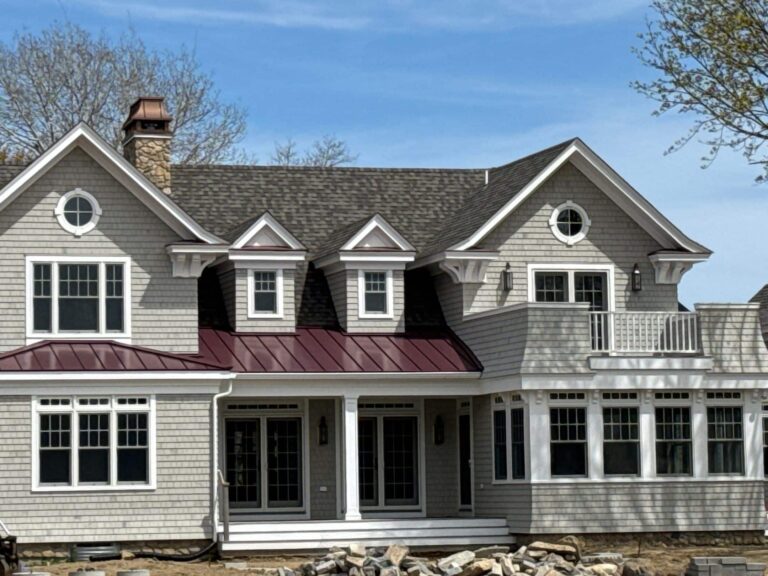
Porch roof metal — whether original tin or terne coating — is a signature detail on many historic homes. Original installations eventually corrode, leak, and lose their visual refinement. Standing seam metal restoration brings back this important architectural element with modern performance. Copper accent roofing is historically appropriate where documentation or original remnants prove it was used on Capes, colonials, and ranches (throughout town) near Forestdale, and its evolving green patina ages beautifully over decades. Metal’s ability to conform to complex angles — Victorian porch railings, dormers, bay window crowns along Mill ponds — makes it irreplaceable for detailed historic homes. Shedding efficiency under challenging weather conditions is excellent. Historic commissions almost universally require metal for original porch roof areas, making proper restoration essential to commission approval.
Every material option for Slatersville’s Capes, colonials, and ranches (throughout town) near Slatersville Historic District offers a distinct combination of period authenticity, practical performance, and cost — understanding these trade-offs is essential before committing.
For homeowners comparing materials: natural slate delivers 75 to 150 years but carries extreme weight and cost. Composite slate from DaVinci and Brava replicates slate appearance at a fraction of the weight with 50-plus year lifespans — many commissions accept it. Natural cedar shake is authentic for colonial homes but needs regular maintenance and lasts 20 to 30 years. Composite cedar shake from Brava eliminates fire risk and rot while matching the appearance for 50-plus years. Premium asphalt is most affordable for Capes, colonials, and ranches (throughout town) within Forestdale, lasting 30 to 50 years. Metal serves porch roofs and accent areas around Mill ponds. Each material has different commission acceptance levels depending on the designation. We present these options side by side during your assessment so you can make an informed choice based on your home’s specific needs.
For historical roof replacement, we source from manufacturers who produce materials suited to period architecture. DaVinci Roofscapes offers composite slate and shake that replicates natural materials. Brava Roof Tile manufactures fire-rated composite cedar shake. CertainTeed provides luxury asphalt lines like Belmont and Grand Manor along with the Integrity Roof System. GAF and Owens Corning offer their own premium profiles. Firestone Una-Clad standing seam metal handles porch and accent areas. Different product lines within each manufacturer affect appearance, warranty coverage, and commission acceptability — we help Capes, colonials, and ranches (throughout town) within Forestdale navigate these choices for the best result.
The roofing system beneath the visible material matters as much as the material itself. For historic homes in Slatersville near Slatersville Historic District, proper system integration protects structures that cannot be easily repaired.
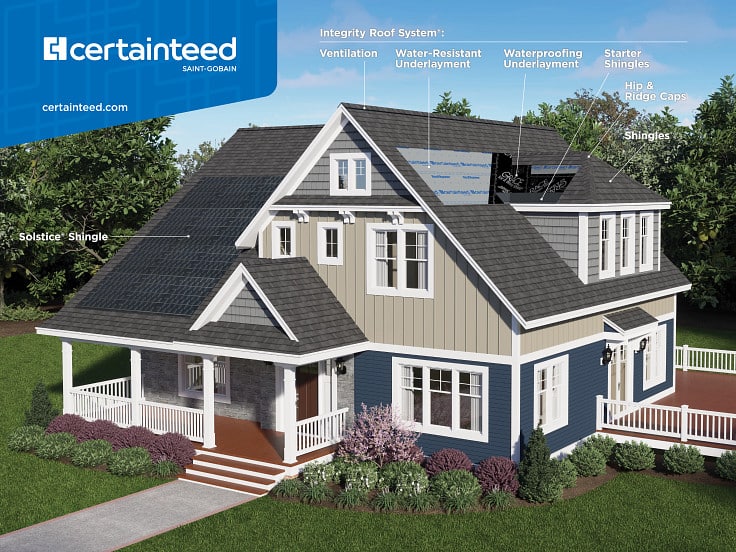
The CertainTeed Integrity Roof System provides the framework we adapt for historical applications. Starting from the deck: waterproofing underlayment (ice and water shield) protects eaves, valleys, and penetrations where water infiltration is most likely — critical for Capes, colonials, and ranches (throughout town) near Slatersville Historic District with complex rooflines. Water-resistant synthetic underlayment covers the full deck. A proper starter course ensures the first row resists wind uplift from Pine needle accumulation (wooded setting). The primary roofing material — composite slate, shake, asphalt, or metal — installs to manufacturer specifications for warranty compliance. Matching hip and ridge caps complete the roofline. Balanced ventilation with ridge exhaust and soffit intake protects both material and structure from moisture buildup — designed to work within the existing architecture within Forestdale without altering the home’s visible exterior. Custom flashing around chimneys, dormers, and architectural details around Mill ponds is often the most critical component on a historic roof. Improperly fabricated flashing is the leading cause of leaks on complex historic rooflines.
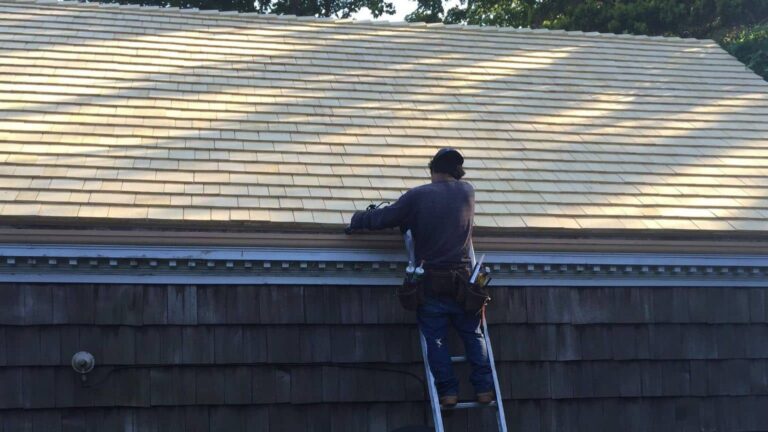
Step one is an on-site assessment of existing roof condition, architectural style, structural capacity, and historic details requiring preservation on Capes, colonials, and ranches (throughout town) near Slatersville Historic District. Step two is historical research — identifying the home’s architectural period and any commission requirements. Since Slatersville falls within the Town of North Smithfield, permits are issued through their office. Step three is commission coordination where applicable — preparing applications with material specs and color samples. Step four is material recommendation — presenting options that satisfy requirements, match the home’s character, and fit the budget, with clear trade-offs. Step five is a detailed written estimate covering materials, labor, structural work if needed, and timeline. Step six is material sourcing — specialty products like composite slate and custom metalwork often need advance ordering. Step seven is installation — careful tear-off protecting trim and details within Forestdale, proper system layers, and new material installed to manufacturer specs. Step eight is a final walkthrough with documentation for commission records if required. Throughout the process, communication is clear — you know what is happening at every stage.
Historic roofs on Capes, colonials, and ranches (throughout town) near Slatersville Historic District in Slatersville develop specific problems over time that differ from issues found on newer homes. Recognizing these conditions helps homeowners understand the scope of replacement.
On historic homes, the most frequent problems include deteriorating original materials — cracked slate, rotting shakes, corroded metal porch roofing. Flashing failures around architectural details on Capes, colonials, and ranches (throughout town) within Forestdale account for a large percentage of leaks, as original lead and galvanized flashing degrades over decades. Structural fatigue from heavy materials like natural slate can manifest as sagging ridgelines. Ice dams form readily on older homes without proper ventilation and insulation — harsh climates accelerate this cycle. Multiple layers of mismatched patch repairs compromise both weatherproofing and appearance around Mill ponds. Basic re-roofing with inappropriate materials at some point in the home’s history is common and represents an opportunity to restore proper character. Our assessment covers all of these issues so the replacement plan addresses everything — not just the visible surface problems.
Lifespan expectations for historical roofing in Slatersville depend heavily on the material chosen and the conditions the roof faces near Slatersville Historic District.
Material choice determines how long a historical roof lasts: natural slate leads at 75 to 150 years but its fasteners and flashing need earlier attention. Composite slate and shake both deliver 50-plus years with minimal upkeep. Natural cedar lasts 20 to 30 years with regular maintenance. Premium asphalt provides 30 to 50 years. Standing seam metal and copper run 50 to 100 years. Heavy moisture and shade around Mill ponds can promote moss and algae growth that affects material longevity. For Capes, colonials, and ranches (throughout town) within Forestdale dealing with local weather conditions, material selection matched to your site’s actual climate is essential for full lifespan delivery. We recommend materials based on what will actually perform on your specific property, not just what looks right.
There comes a point when repairs on Capes, colonials, and ranches (throughout town) near Slatersville Historic District in Slatersville stop making economic sense and a full historical roof replacement becomes the better investment.
For historic homes, replacement indicators include widespread material failure across the roof, recurrent leaks despite repairs, structural concerns visible from the attic, and a history of patchwork using mismatched materials that compromise the home’s appearance. Capes, colonials, and ranches (throughout town) within Forestdale that were re-roofed with standard asphalt shingles at some point now have the opportunity to restore historically appropriate materials when those shingles reach end of life. We assess every home around Mill ponds honestly — if targeted repairs can protect the home effectively, we recommend repairs. When the roof has reached a point where continued patching costs more than it saves and diminishes the home’s character, we help homeowners plan a replacement that uses the right materials, respects the architecture, and invests in the property’s future.
Historic homes near Slatersville Historic District in Slatersville deserve a roofing contractor who understands their character and knows how to protect it. Pinnacle brings specialized knowledge to every project.
Choosing us for historical roof replacement means selecting a contractor who specializes exclusively in period homes and understands what Capes, colonials, and ranches (throughout town) require. We don’t approach historic work like standard residential roofing—we research architectural periods, coordinate with commissions, and employ installation practices that protect the details that make these homes irreplaceable. Our teams carefully preserve decorative trim, cornices, and moldings within Forestdale during tear-off. We fabricate custom flashing matched to each home’s unique conditions and geometry. Debris is contained professionally to protect period landscaping. Licensed for both residential (39446) and commercial (261) applications across Rhode Island and fully insured. We provide honest assessments and transparent, detailed estimates that explain every line item. Historic homes are built from irreplaceable materials and craftsmanship—we treat the restoration with the same respect and expertise those homes deserve.

Historical roof replacement on Capes, colonials, and ranches (throughout town) near Slatersville Historic District in Slatersville typically costs more than standard residential work due to material selection, roof complexity, custom metalwork, and the additional care required.
Historical roof replacement cost reflects the specialized nature of this work. Material choice dominates the budget: natural slate is highest cost but offers 75-150 year longevity; composite slate and shake deliver 50+ years at moderate cost; premium asphalt is most affordable with 30-50 year lifespan. Historic homes within Forestdale with complex rooflines—multiple planes, dormers, architectural articulation—require more material and labor than simple designs. Custom flashing and metalwork around chimneys, transitions, and decorative elements around Mill ponds is essential for historic preservation and affects cost significantly. Structural engineering and potential reinforcement add cost when original framing is marginal for selected material weight. Historic district commission coordination (applications, materials research, approval processes) affects timeline and labor. Lead times for specialty materials (natural slate, engineered composites) require advance ordering and project planning. Protection of existing trim, careful tear-off, and debris management during installation takes longer than standard roofing. We break down costs component-by-component in writing. Review our Rhode Island roof cost guide for general reference points. 0% interest financing through Synchrony Financial and flexible monthly payment options make high-quality historical replacement financially accessible.
Storm-Damaged Roofs Require Fast Action
When you find storm damage on your roof in Rhode Island, swift action can be crucial. Contacting trusted roofing professionals like us for a thorough inspection. Our expert team will assess the damage and determine if roof repairs or roof replacement is recommended. With New England’s predictably unpredictable weather, it is important repairs happen quickly to prevent further loss.