
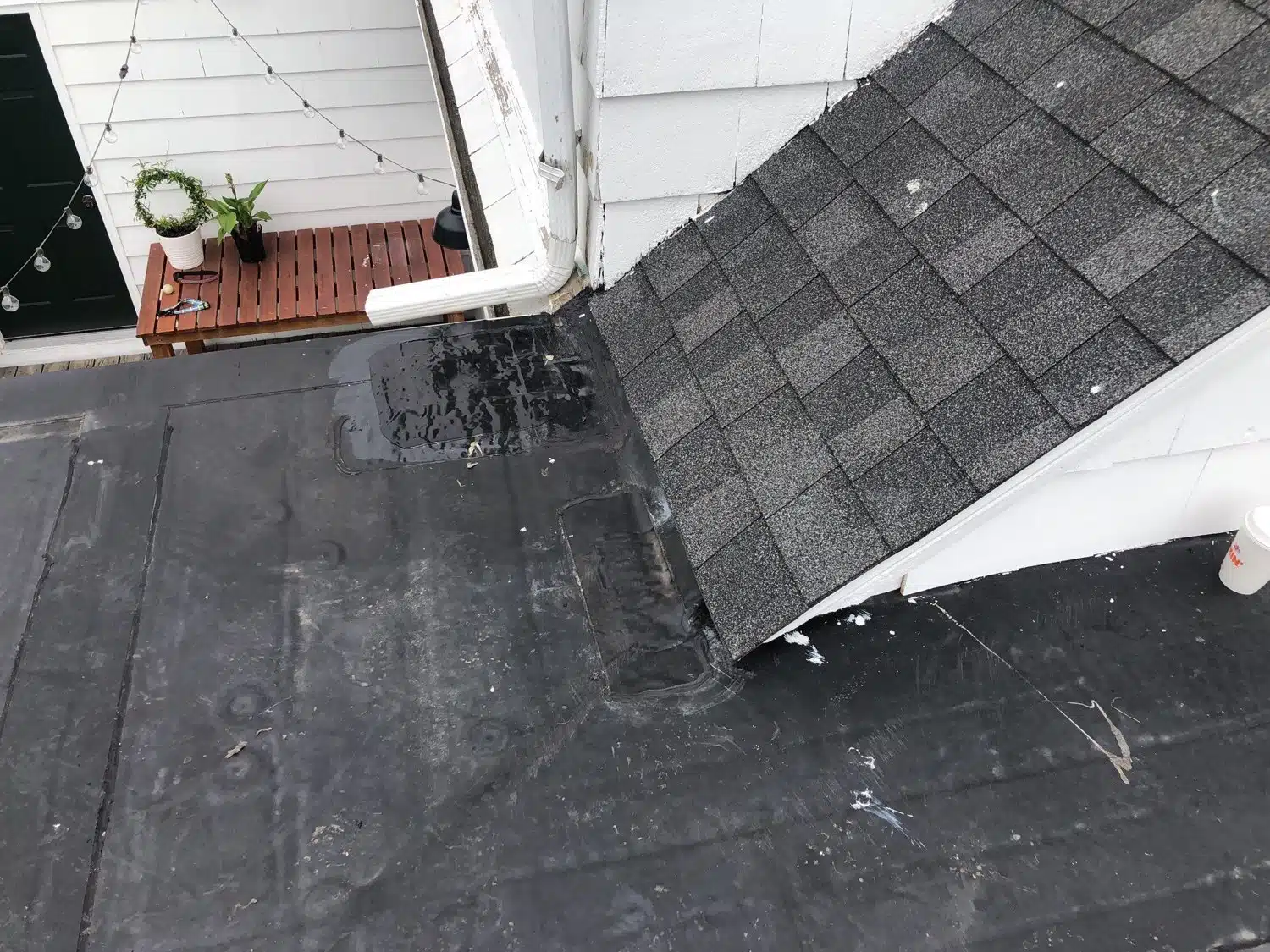

Flat and low-slope roofs fail for one reason above all others: they are asked to shed water they cannot shed, or they are covered with the wrong material for the job. This Middletown roof got the right one — a single-ply EPDM rubber membrane, installed as one continuous waterproof sheet built to handle a low-slope surface for the long haul. Pinnacle roofs go on fast — often as a one-day roof replacement — and flexible financing keeps a project like this within reach, with plans as low as 0% interest for 18 months.
A Middletown flat roof was covered with a single-ply EPDM rubber membrane, sealed at its seams and detailed around every penetration and edge, waterproofing the low-slope surface as one continuous sheet. This project is in Middletown, Rhode Island using EPDM rubber membrane.
Scope of Work
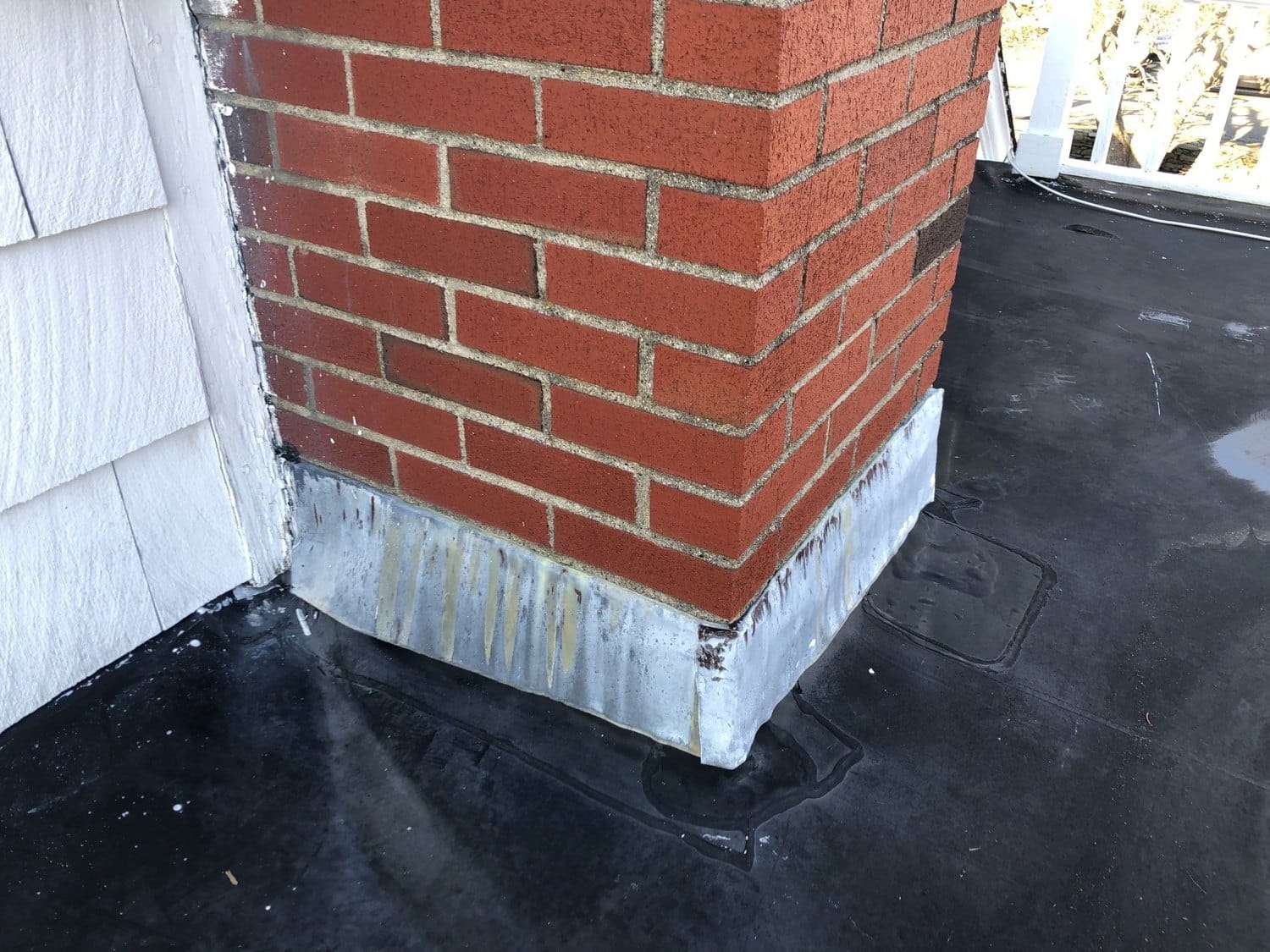
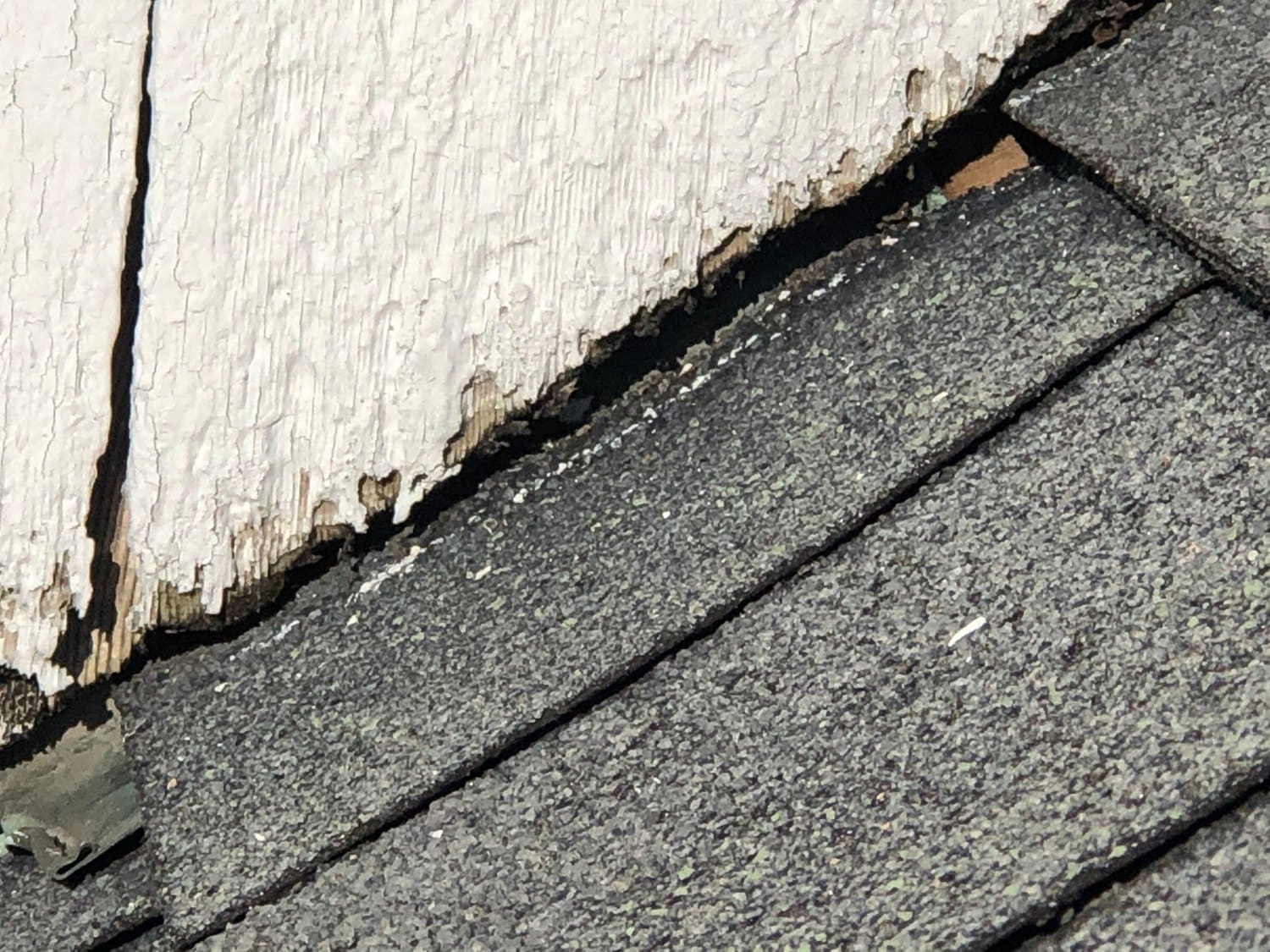
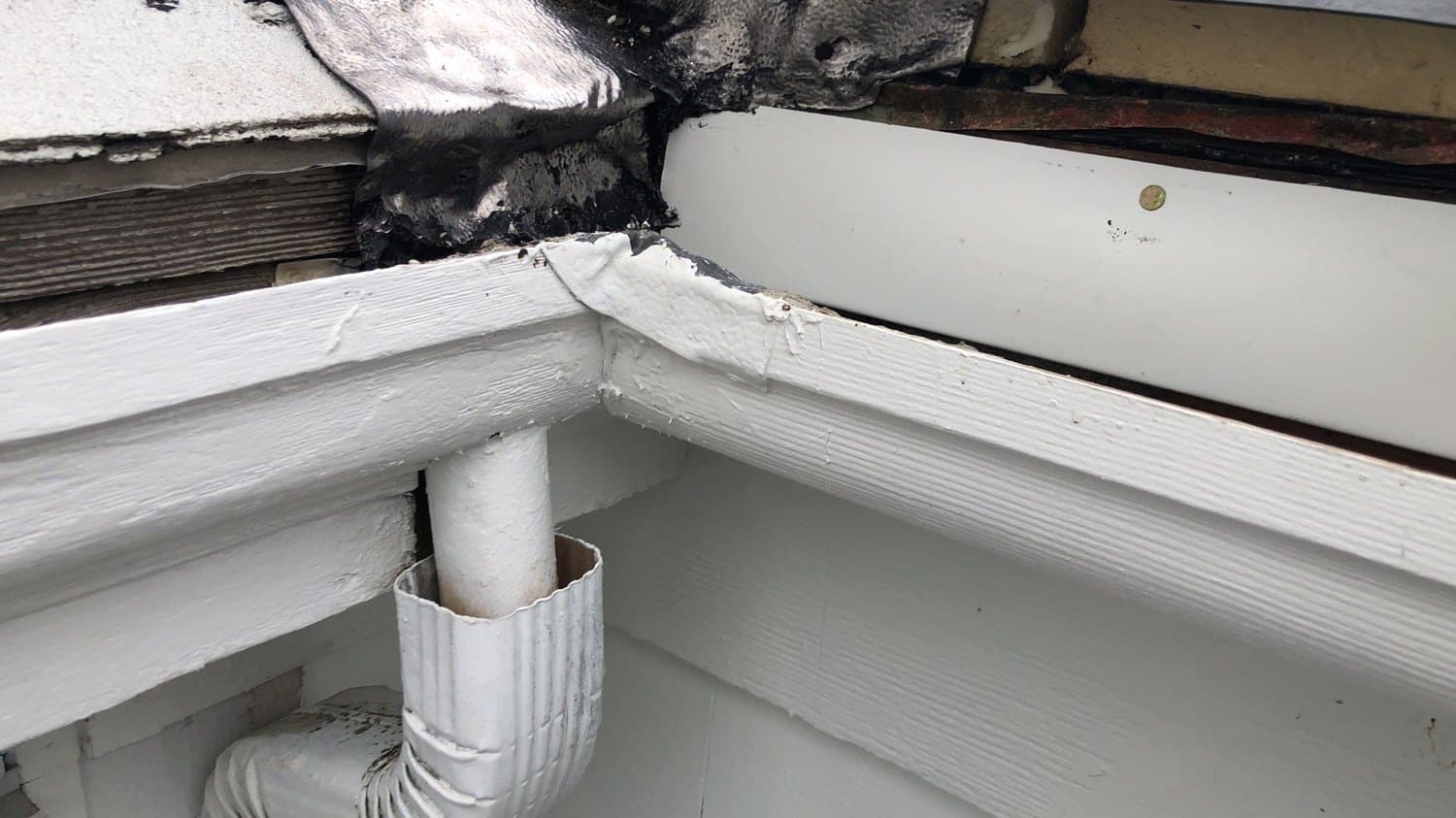
A flat roof is only as good as its membrane and its details, so both got full attention here. The surface was prepared as a sound, clean substrate, and the EPDM rubber membrane was laid across it as a single-ply sheet, with the seams sealed to form one continuous waterproof surface. The critical work on any low-slope roof is at the edges and penetrations — walls, curbs, vents, and drains — where the membrane has to be run up, flashed, and terminated so water is carried off the roof and never allowed behind the sheet. Because a flat roof drains slowly and can hold water, every seam and detail has to be watertight, not merely covered. The result is a low-slope roof waterproofed as one bonded system rather than a patchwork of overlaps.
What We Installed (And Why)
EPDM — ethylene propylene diene monomer — is the single-ply rubber membrane that has protected flat and low-slope roofs for decades, and it is the right material for a surface like this one. It is prized for a long service life and for standing up to exactly the things that destroy a flat roof: ultraviolet sun exposure, ponding water, and the freeze-thaw temperature swings a Rhode Island roof sees every year. Installed as a continuous single-ply sheet with sealed seams, it waterproofs the surface as one membrane rather than by the overlaps a shingle roof relies on — which is the whole point, because a low-slope roof drains too slowly for overlaps to keep water out. The parts of the roof that decide whether it lasts are the details: the flashing up every wall and curb, around every pipe and vent, and at the drains and edges, all terminated so water is directed off the roof. This is unglamorous, exacting work, and it is where a flat roof is won or lost. A properly installed EPDM membrane, detailed correctly at every penetration, gives a building a low-slope roof that stays dry and serviceable for the long term — the difference between a roof you maintain and a roof you keep replacing.
Project Photo Gallery
Good To Know: Why do flat roofs need a completely different material than sloped roofs?
Because a flat or low-slope roof cannot shed water the way a pitched roof does, and that changes everything about how it has to be built. A steep roof uses gravity: water runs down and off, and overlapping shingles simply have to guide it, so small gaps and laps are fine because water never lingers. A flat roof has no such help — water drains slowly and can pond in place — so anything less than a fully waterproof surface will eventually leak. That is why flat roofs are covered with a membrane, such as EPDM rubber, installed as one continuous sheet with every seam sealed and every edge and penetration flashed. There are no exposed fasteners for water to find and no reliance on overlap; the entire surface is a single waterproof barrier. Putting shingles on a flat roof — or letting an old, failing membrane limp along — is a guarantee of leaks, because the material is fighting the one thing it cannot beat: standing water. Choosing the right membrane and installing its details correctly is what lets a low-slope roof do its job, and it is why flat-roof work belongs with a contractor who does it properly rather than treating it like a variation on a shingle roof.
Why This Approach Works
A low-slope roof drains too slowly to shed water by overlap, so it must be waterproofed as one continuous membrane with every seam and penetration sealed. A properly installed and detailed EPDM sheet is what keeps a flat roof dry where shingles never could.
Why Pinnacle
Flat-roof work rewards a contractor who treats the membrane and its details as the whole job, sealing every seam, edge, and penetration rather than simply covering the surface. Pinnacle installs as a commercial EPDM roofing contractor, to the manufacturer’s specification. We’ve served Rhode Island since 2012, hold a 5.0-star Google rating across 100+ reviews and an A+ BBB rating — see our full credentials.
Middletown, Rhode Island
Middletown sits on Aquidneck Island between Newport and Portsmouth, a town of homes, businesses, and coastal properties that take the full force of ocean weather. Flat and low-slope roofs are common here on both commercial buildings and the modern and added-on sections of homes, and the salt air and wind make a durable, properly detailed membrane all the more important. An EPDM rubber roof is well suited to Middletown’s low-slope roofs and the weather they face. Explore our work across Middletown roofing services.
Need a roofing estimate in Middletown? Use our instant estimate tool, book a free appointment, or call us today.
Exploring payment options? Ask about financing — plans as low as 0% interest for 18 months.
401-267-ROOF (7663)
Frequently Asked Questions
How long does an EPDM roof last?
EPDM is one of the longest-serving low-slope roofing materials, routinely protecting a flat roof for decades when it is installed and detailed correctly. Its durability and resistance to UV and temperature swings are a large part of why it has been a standard for flat roofs for so long.
What causes flat roofs to leak?
Almost always the details, not the open field — failed seams, and flashing at walls, curbs, drains, and penetrations that was never watertight or has since degraded. Because a flat roof drains slowly and can pond, any weak point in a seam or a flashing eventually lets water in. A properly installed membrane with correctly detailed penetrations is what prevents it.
Can I put shingles on a flat or low-slope roof?
No — shingles rely on slope and overlap to shed water, and a flat or low-slope surface drains too slowly for that to work, so water backs under the laps and leaks. Low-slope roofs need a continuous membrane such as EPDM instead, which waterproofs the surface as one sealed sheet.
More Resources for Middletown
- Middletown Roofing Services
- Commercial & Flat Roofing
- Residential Roofing
- One-Day Roof Replacement
- Financing Available
- Instant Roof Estimate
- Showcase Gallery
Browse more of our Rhode Island project galleries:
Explore all Commercial & Flat Roofing Projects →Explore all EPDM Rubber Roofing Projects →