nn
Skip to content
Roof ventilation clears the warm, moist air that collects in an attic — but the less of that air you
This Charlestown Cape’s re-roof was run efficiently from tear-off to cleanup, so the homeowners had their house back quickly. Pinnacle
This Richmond ranch’s new roof and trim were completed efficiently, so the homeowner had the house back with minimal disruption.
Tiny Clayville’s historic properties were built when ventilation wasn’t a priority. Modern moisture loads—from improved insulation, humidifiers, and modern living—challenge these older homes. Pinnacle designs ventilation solutions that work within Clayville’s historic building constraints while solving contemporary moisture problems.
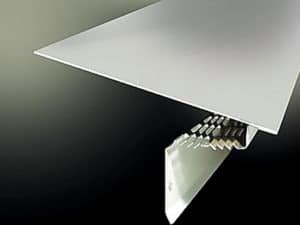
Vented drip edge installation gives Clayville homes near Swamp Meadow Covered Bridge continuous intake airflow along the entire eave line while directing water into gutters. For coastal properties facing salt spray and wind-driven rain, this component provides critical protection where the roof meets the fascia board.
Installing vented drip edge on Clayville homes near Swamp Meadow Covered Bridge addresses two critical vulnerabilities where the roof meets the eave. First, it provides a continuous water management surface that directs runoff into gutters without allowing moisture to wick back under shingles. Second, its integrated ventilation channel supplies fresh air intake along the entire roofline—something individual soffit vents cannot achieve with the same consistency. For coastal Farmhouses, Pinnacle specifies corrosion-resistant materials rated for salt air exposure, ensuring the ventilation pathway remains clear for years. The continuous design also prevents debris blockage that plagues traditional soffit vents in homes near trees, making it an ideal solution for Clayville properties that need reliable intake airflow through every season.


For coastal homes in Clayville near Swamp Meadow Covered Bridge, roof exhaust fans deliver powered exhaust airflow that actively removes heat and moisture from the attic. The marine environment demands ventilation components that maintain performance despite salt exposure, high humidity, and the powerful storms that sweep through Rhode Island’s coastal communities.
Roof exhaust fans bring mechanical precision to attic ventilation in Clayville Farmhouses near Swamp Meadow Covered Bridge, providing controllable airflow that responds to conditions rather than depending on weather patterns. When summer heat builds, thermostat-triggered fans activate to pull superheated air through roof-mounted housings. During humid seasons, humidistat-equipped models detect rising moisture and respond before condensation forms on cold surfaces. For coastal properties where persistent humidity saturates attic spaces faster than passive systems can manage, powered exhaust provides the active moisture removal that prevents sheathing damage and mold growth. Pinnacle evaluates your attic’s specific needs, including volume, current ventilation balance, peak temperature exposure, and moisture sources, before recommending fan type, size, and placement that delivers optimal results for your Clayville property.
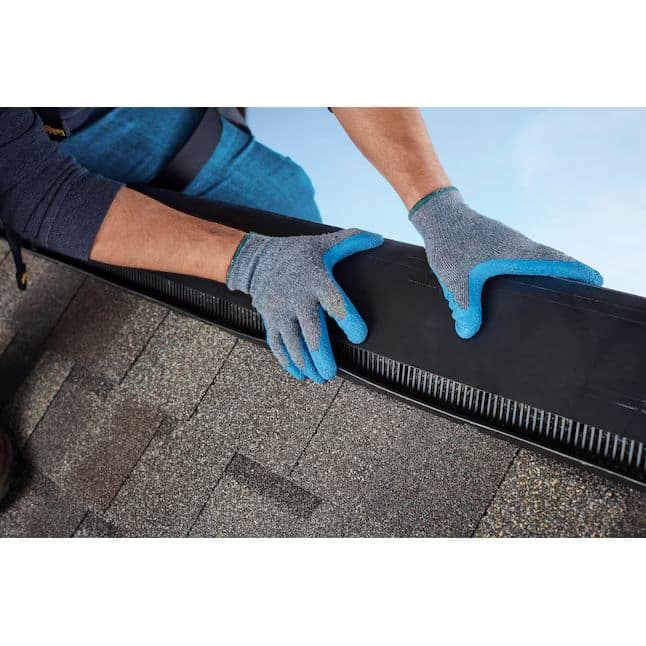
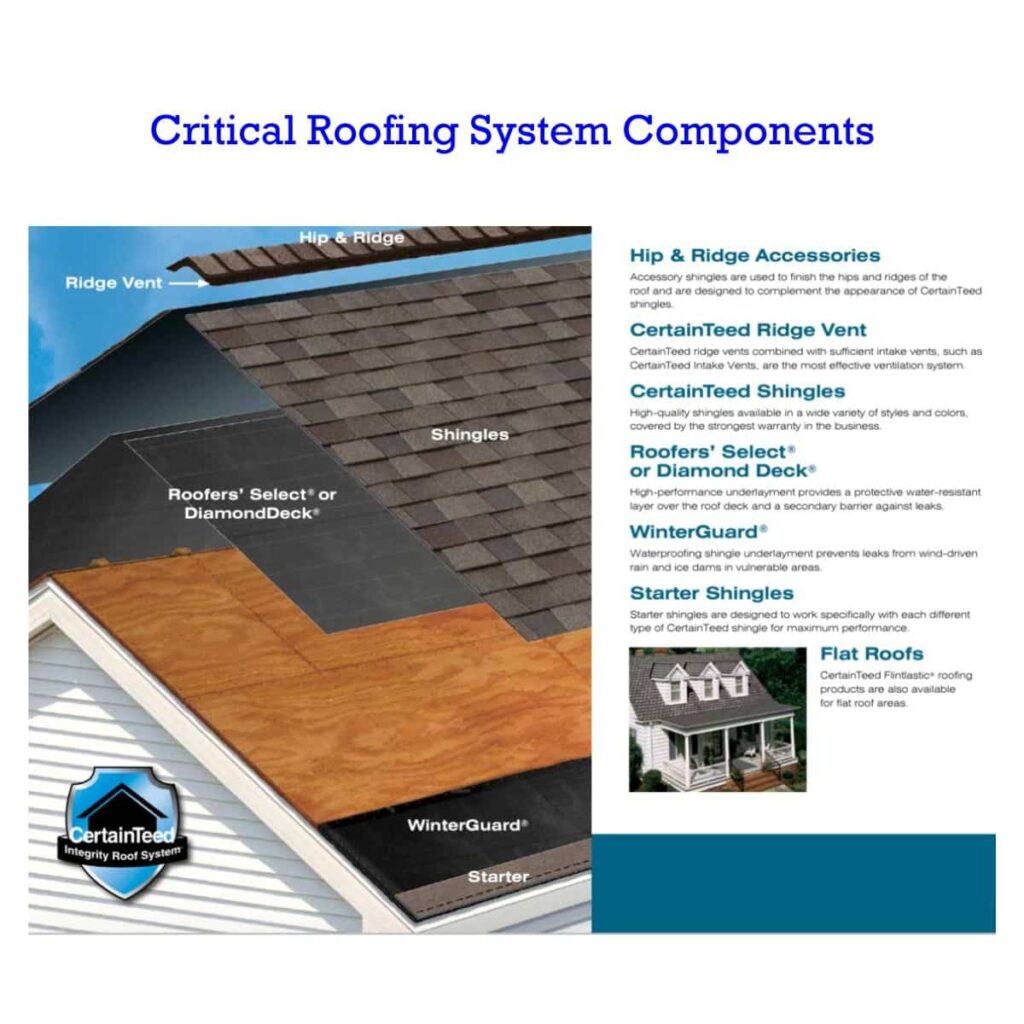
Ridge Vents installation provides Clayville homes near Swamp Meadow Covered Bridge with continuous passive exhaust ventilation along the full length of the roof peak. Coastal properties benefit from enhanced airflow management that combats salt-air moisture infiltration and the humidity levels that accelerate roof deterioration along Rhode Island’s shoreline.
For Farmhouses in Clayville near Swamp Meadow Covered Bridge, ridge vents represent the standard in passive exhaust ventilation. Their continuous design eliminates the hot spots and dead zones that discrete vents create, providing uniform airflow management across the entire attic ceiling plane. The installation requires precision: a slot cut along the roof peak must be the correct width to provide adequate airflow without weakening the ridge board, and the vent profile must be fastened and sealed to prevent both water infiltration and wind uplift. Marine-rated ridge vent profiles with enhanced weather baffles resist the wind-driven rain coastal storms deliver, which is critical where standard profiles would allow water infiltration. Pinnacle ridge vent installations consistently deliver the balanced, quiet, maintenance-free exhaust that Clayville homeowners value most.
For coastal homes in Clayville near Route 94, soffit vents deliver essential intake ventilation through the eave overhang that feeds the entire attic airflow system. The marine environment demands ventilation components that maintain performance despite salt exposure, high humidity, and the powerful storms that sweep through Rhode Island’s coastal communities.
Soffit vents are the intake foundation of every balanced ventilation system protecting Clayville homes near Route 6. Installed in the underside of the roof overhang, they allow fresh outdoor air to enter the attic at the lowest point of the roof system where it begins its upward journey toward exhaust vents at the ridge. Without adequate intake, even well-installed exhaust components cannot function effectively because there is no replacement air to draw through the attic space. Coastal homes face the additional challenge of salt-laden air entering through intake vents, requiring corrosion-resistant materials that maintain open airflow despite marine exposure and salt crystallization. Pinnacle installs soffit vents with proper baffles that prevent insulation from blocking the intake pathway, a critical detail that determines whether the system works as designed for Clayville homeowners.
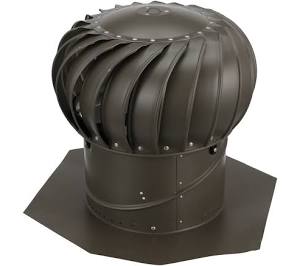
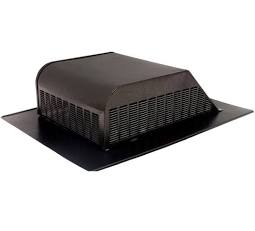
Roof Vents (Box Vents and Turbine Vents) installation provides Clayville homes near Route 6 with targeted exhaust ventilation at specific points across the roof surface for localized heat and moisture removal. Coastal properties benefit from enhanced airflow management that combats salt-air moisture infiltration and the humidity levels that accelerate roof deterioration along Rhode Island’s shoreline.
Box vents and turbine vents provide targeted exhaust ventilation for Clayville homes near Route 94 where ridge vent installation is impractical or supplemental exhaust is needed. Box vents are static openings with weather-protective caps that allow hot air to exit the attic through natural convection. Turbine vents add a wind-driven rotary mechanism that increases exhaust volume when breezes spin the turbine head, creating active ventilation without electricity. Coastal wind patterns make turbine vents particularly effective, as consistent breezes power continuous exhaust that keeps salt-moistened attic air moving throughout the day. Pinnacle positions these vents using calculated spacing that ensures even exhaust distribution without creating zones of negative pressure that pull conditioned air from below in your Clayville home.
Clayville’s heritage homes need ventilation balancing performance with period preservation.
Selecting the right ventilation components for Clayville homes near Route 6 requires understanding how each system performs in coastal conditions. Ridge vents provide continuous passive exhaust along the roof peak, making them ideal for simple gable roofs where wind patterns aid airflow. Roof exhaust fans add powered extraction for homes where passive ventilation alone cannot manage the high moisture loads of shoreline living. Soffit vents supply essential intake at the eave, while vented drip edge provides continuous intake where soffit depth is limited. Box vents and turbine vents offer targeted exhaust for complex roof geometries with multiple ridgelines or hip configurations. For Clayville properties, Pinnacle often recommends combining ridge vents with continuous soffit intake as the foundation, supplemented by powered exhaust fans in moisture-prone areas. Salt-air-rated components are specified throughout to ensure long-term performance in the coastal environment.
Pinnacle Roofing & Skylights installs ventilation products from industry-leading manufacturers who engineer components for demanding environments. For Clayville homes near Route 6, we specify QuietCool whole-house fans that deliver exceptional airflow at whisper-quiet noise levels, reducing cooling costs while providing natural ventilation that replaces stale indoor air. Our ridge vent selections include Lomanco and Air Vent products with built-in baffles that prevent wind-driven rain infiltration—critical for coastal properties. Solar-powered exhaust fans from Remington Solar provide active attic ventilation without ongoing electrical costs, using panels rated for salt-air environments. Each manufacturer we partner with meets our standards for durability, performance, and warranty coverage, ensuring Clayville homeowners receive ventilation components that deliver long-term value in the coastal Rhode Island climate.
Clayville ventilation must work within constraints of historic, compact construction.
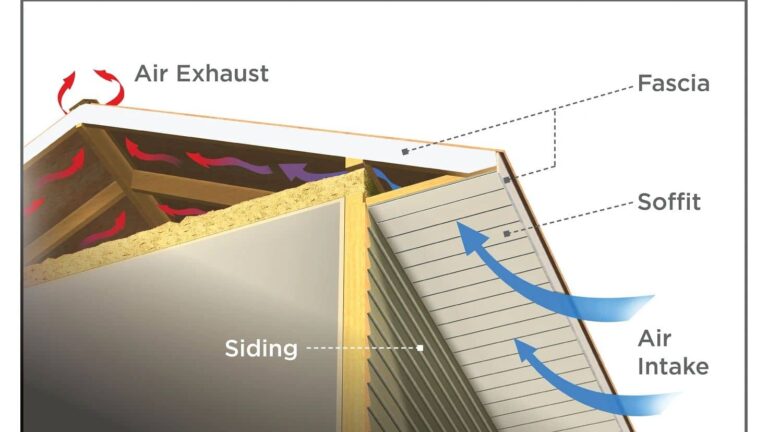
A complete ventilation system for Clayville homes near Route 6 integrates intake, exhaust, and airflow pathways into a coordinated network that protects the entire roof structure. Intake components—soffit vents or vented drip edge—bring fresh air into the attic at the eave. This air flows upward across the underside of the roof deck, absorbing heat and moisture, before exiting through exhaust components at or near the ridge. The system works because warm air naturally rises, creating a continuous convection cycle that keeps attic conditions manageable year-round. For coastal properties, Pinnacle designs systems where intake and exhaust are balanced—measured in net free area—so that neither side restricts airflow. We also ensure baffles keep insulation from blocking intake pathways, maintaining consistent performance even as insulation settles over time.
Pinnacle’s ventilation installation process for Clayville homes near Route 6 begins with a comprehensive attic assessment. We measure attic square footage, evaluate existing ventilation components, check insulation condition and depth, and identify any moisture damage or mold growth that indicates current ventilation failure. Using these measurements, we calculate the net free area required for balanced intake and exhaust airflow specific to your home’s roof geometry. For coastal properties, we also assess salt-air exposure and specify marine-rated components where needed. The installation itself follows manufacturer specifications precisely—ridge vents are cut to proper width, exhaust fans are flashed and sealed against wind-driven rain, and soffit vents or drip edge intake systems are positioned to provide unobstructed airflow. After installation, we verify system performance and ensure all components are integrated into a cohesive ventilation network that protects your Clayville home year-round.
Homes in Clayville face distinct ventilation challenges shaped by salt air exposure, coastal humidity, and seasonal storms that batter properties near Route 94. Without proper attic ventilation, moisture accumulates in roof decking and insulation, leading to premature deterioration that shortens the life of roofing materials and structural components throughout the home.
Ventilation failures in Clayville homes near Route 94 produce distinct symptoms that help diagnose the underlying airflow problem. Condensation forming on attic sheathing or rafters during cold months indicates inadequate exhaust—warm humid air from the home rises into the attic but cannot escape fast enough. Salt deposits on vent screens compound this by gradually restricting exhaust capacity. Ice dams forming at the eave during winter are a clear indicator that attic temperatures are too high—meaning exhaust ventilation cannot remove heat fast enough to keep the roof deck cold. Prematurely aging shingles that curl, crack, or lose granules often trace to excessive attic heat rather than product failure. Each symptom connects to specific ventilation deficiencies that Pinnacle identifies and corrects for Clayville homeowners.
Heritage-home ventilation lasts decades if properly installed.
Understanding how long ventilation components last helps Clayville homeowners near Route 94 plan maintenance and budget for eventual replacement. Passive exhaust components like ridge vents and box vents have no moving parts and typically last 20 or more years when quality materials are installed properly. Active components—electric exhaust fans and whole-house fans—have motors and bearings that limit their service life to 10 to 20 years depending on usage patterns and maintenance. Intake components including soffit vents and vented drip edge provide decades of service when kept clear of salt deposits and storm debris. For Capes throughout Clayville, the key to maximizing component life is professional installation that prevents premature wear and periodic inspections that catch problems early. Pinnacle provides both, ensuring your ventilation investment delivers its full expected service life.
Many Clayville properties need ventilation replacement after decades of inadequacy.
Ventilation components protecting Colonials in Clayville near Swamp Meadow Covered Bridge age at different rates depending on material, exposure, and workload. Ridge vents are typically the last components to need replacement, lasting decades when properly installed. Exhaust fan motors are the most likely to require replacement first, with signs including unusual noise, reduced airflow, or intermittent operation. Soffit vents and drip edge can be compromised by salt corrosion, paint buildup, or debris from coastal storms. When Pinnacle inspects your Clayville home’s ventilation, we assess each component individually and in context of the whole system. Sometimes replacing a single failing component restores system-wide performance; other times, multiple aging components warrant comprehensive upgrade. Our recommendations prioritize the changes that will have the greatest impact on protecting your roof and improving your home’s comfort.
Pinnacle understands Clayville’s heritage conservation needs deeply.
We hold CertainTeed ShingleMaster PREMIER status—earned by only the top 1% nationally. We’re an authorized QuietCool dealer with direct manufacturer training. Our A+ BBB rating reflects consistent Clayville customer satisfaction. We’re licensed (Residential #39446, Commercial #261), maintain NRCA/RIBA membership, and stand behind all work with warranties. Clayville homeowners trust us because we’ve solved hundreds of ventilation problems in similar communities.
Heritage-home ventilation costs depend on your property’s specific challenges and character.
Ventilation costs for Clayville homes vary based on system complexity, roof configuration, and the specific coastal conditions affecting your property near Swamp Meadow Covered Bridge. Factors include the number of intake and exhaust points needed, whether whole-house fan installation is included, the condition of existing soffit and ridge structures, and any salt-air-rated component upgrades required for coastal durability. Pinnacle provides detailed written estimates after a thorough on-site inspection, breaking down material and labor costs so you understand exactly what your ventilation investment covers. We also offer financing options through Synchrony Financial to make ventilation improvements accessible for Clayville homeowners.
Storm-Damaged Roofs Require Fast Action
When you find storm damage on your roof in Rhode Island, swift action can be crucial. Contacting trusted roofing professionals like us for a thorough inspection. Our expert team will assess the damage and determine if roof repairs or roof replacement is recommended. With New England’s predictably unpredictable weather, it is important repairs happen quickly to prevent further loss.