nn
Skip to content
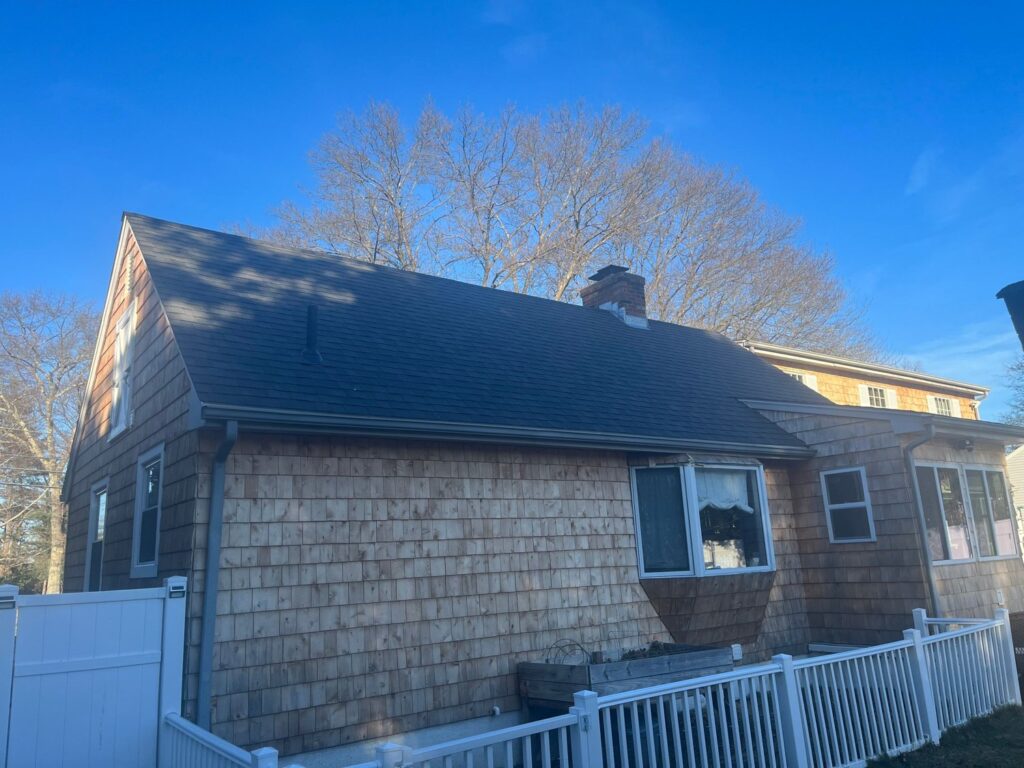
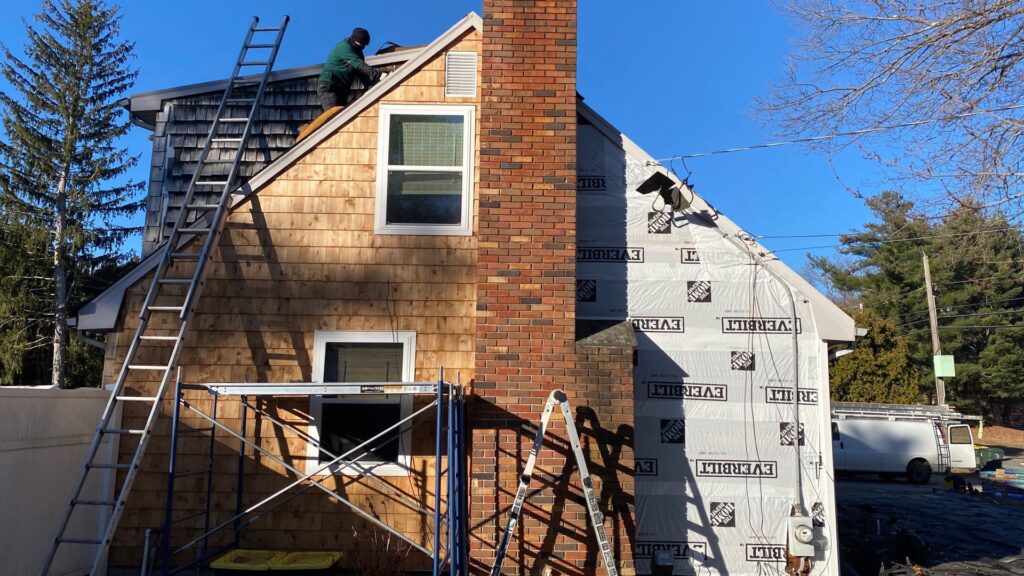
The Portsmouth cedar-shake crew kept the siding work organized and efficient, so the colonial was disrupted as little as possible.

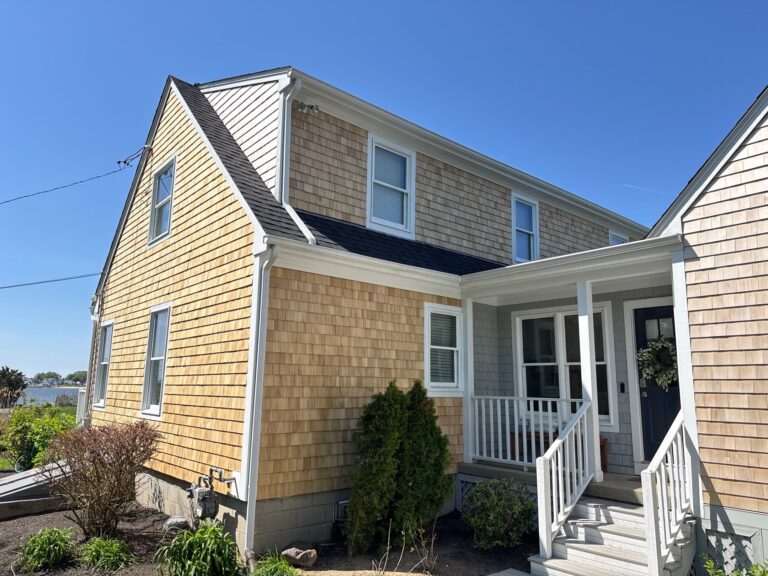
Our siding crew on Indian Run Trail kept the job organized and moving, so the household was disrupted as little
When wind and storm damage hits a home, it rarely stops at the roof — the same weather that tears
Working in Edgewood means managing logistics that suburban projects do not involve. We plan scaffolding placement, coordinate with neighbors on shared driveways, and handle multi-unit permit requirements when applicable. Our inspection process checks for structural conditions common in Edgewood’s older Capes — deteriorated sheathing, missing vapor barriers, and inadequate flashing around original windows. New England storms amplify every gap in an older building’s envelope, so we address underlying issues before new siding goes on. Properties in Edgewood within reach of nearby areas contend with marine conditions that test every exterior surface relentlessly.

For Edgewood homes where character and craftsmanship matter, cedar shingle siding delivers an authentic look that increases curb appeal and reflects traditional New England architecture. In Edgewood, cedar shingle siding performs particularly well on homes near nearby areas where natural aesthetics complement the surrounding landscape.
Cedar shingle installation starts with the ventilation layer — 1-inch furring strips installed over the weather-resistant barrier to create an air gap behind the shingles. This drainage plane is what separates a professional cedar installation from one that traps moisture and fails prematurely. Each shingle is hand-placed with 4-6 inches of exposure, fastened with stainless steel nails that will not corrode and stain the wood. We never caulk between shingles — cedar needs room to expand and contract with humidity changes. In Edgewood, New England storms make this movement especially important. The result is a wall system that sheds water on the surface, drains any penetration behind the cladding, and allows the wall assembly to dry in both directions. Coastal conditions near nearby areas in Edgewood mean siding must resist salt spray, high humidity, and wind-driven rain that inland homes never face.
James Hardie fiber cement has become a go-to material for Edgewood siding projects where durability and low maintenance outweigh the higher upfront cost. It’s especially well-suited for multi-family buildings. In Edgewood, fiber cement siding stands up to rhode island seasons better than many alternatives, making it a smart investment for Tree-lined streets, busy shopping areas, and quiet neighborhoods.
Fiber cement’s durability makes it a strong choice for Edgewood’s older housing stock. James Hardie products resist the moisture that causes wood rot in close-proximity buildings where airflow between structures is limited. We install fiber cement over weather-resistant barriers with proper drainage planes, addressing the moisture management gaps common in Edgewood’s older construction. The material holds paint for 15+ years with factory ColorPlus finish, reducing long-term maintenance costs — especially important for multi-unit properties where exterior upkeep affects multiple households. Salt air from bay test every joint and flashing detail, and fiber cement’s rigid composition handles these stresses better than vinyl or wood. Coastal conditions near nearby areas in Edgewood mean siding must resist salt spray, high humidity, and wind-driven rain that inland homes never face.
For Edgewood homes where curb appeal and long-term value matter, composite siding delivers the look of natural materials with warranties that reflect the manufacturer’s confidence in the product. Composite siding technology gives Edgewood homes near nearby areas a durable exterior shell that won’t rot, warp, or attract pests.
Composite siding products combine durability with realistic appearance. Everlast panels are made from inorganic materials that will not absorb moisture, rot, or support mold growth. For Edgewood homes near Edgewood village center, salt-air exposure from nearby areas adds urgency to siding decisions that directly affect long-term durability. CertainTeed Cedar Impressions are polymer panels molded from actual cedar shingles, capturing the grain detail and shadow lines of real wood. Both products come with color throughout — not surface paint — so they maintain their appearance without repainting. Installation follows standard siding practices with weather-resistant barriers, proper flashing, and manufacturer-specified trim. The materials handle Salt air from bay without warping, cracking, or fading.
Vinyl siding is the most common exterior material on Edgewood’s residential homes, and for good reason — it’s affordable, requires minimal maintenance, and comes in profiles that complement the area’s architecture. For Tree-lined streets, busy shopping areas, and quiet neighborhoods in Edgewood, vinyl siding provides reliable weather protection at a price point that works for most budgets.
Vinyl siding on Edgewood homes is installed over weather-resistant barriers with proper flashing at every window, door, and penetration. We specify .044-inch or thicker panels for durability — thinner vinyl saves money upfront but dents and cracks more easily, especially on Classic New England colonials close to sidewalks and driveways where impacts are more likely. Expansion gaps at joints and accessories allow the vinyl to move with temperature changes; without these gaps, hot summer days cause buckling and wavy walls. Coastal wind off Narragansett Bay means significant expansion and contraction throughout the year. We secure every panel to the wall structure — never to foam insulation alone — and overlap joints away from prevailing wind direction. Capes and ranches (Meshanticut and Oaklawn) along Edgewood village center in Edgewood experience ocean-driven moisture that demands siding systems engineered for coastal performance.
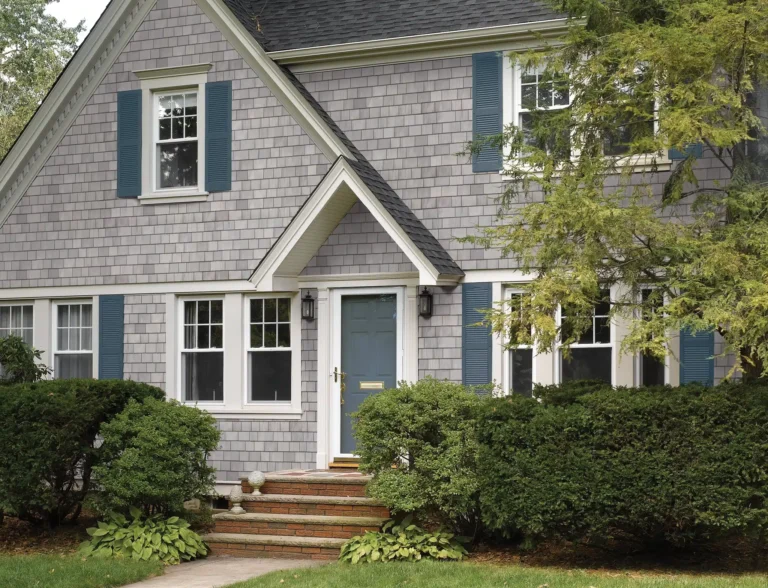
CertainTeed Cedar Impressions brings the classic character of hand-split cedar shakes to Edgewood homes without the maintenance burden of real wood. Properties near Rolfe Square and throughout the community gain a premium exterior finish molded from actual cedar, backed by polymer durability that stands up to Rhode Island weather year after year.
CertainTeed Cedar Impressions is a polymer shake siding system that brings authentic cedar aesthetics to Edgewood homes without the drawbacks of natural wood. Properties near Rolfe Square and across the community get panels molded from real hand-split cedar using TrueTexture technology — every knot, grain line, and texture detail is captured in a material that resists rot, insects, and weather damage. The system includes three profile choices to match different architectural styles: Straight Edge Perfection shingles give a clean, traditional shingle appearance; Staggered Rough-Split Shakes create a more rustic, textured exterior; and Half-Round Scallops add distinctive accent detail. Color options span natural wood tones and coastal shades, all manufactured with fade-resistant pigments that maintain color consistency for decades. For Edgewood homes facing New England storms, Cedar Impressions panels are built with a double-thick nailing hem and Molded Perimeter Lock system rated for 110 mph wind loads. The polymer material is impervious to moisture absorption, which eliminates the freeze-thaw cracking that destroys real cedar through Rhode Island winters. Ongoing care requires nothing more than occasional cleaning with a garden hose.
For Edgewood homeowners, the siding decision often comes down to durability versus upfront cost. In older neighborhoods where buildings are close together and access is limited, material longevity and low maintenance carry extra weight. Edgewood homeowners along Meshanticut face rhode island seasons that puts extra demands on siding systems throughout the year.
Vinyl offers the lowest cost and fastest installation — important for multi-unit properties in Edgewood. Fiber cement provides superior durability and fire resistance, valuable in closely spaced buildings. Composite materials deliver maintenance-free longevity at a mid-to-upper price point. Cedar is beautiful but the maintenance demands make it impractical for many Edgewood properties, especially rentals and multi-family buildings. For most Edgewood homeowners, the choice comes down to vinyl (best value) versus fiber cement or composite (best long-term performance). In Edgewood, salt air from nearby areas accelerates exterior deterioration, making proper material selection and installation techniques critical for coastal properties.
James Hardie is the leading fiber cement manufacturer, and their products are engineered specifically for different climate zones — HZ5 for freeze-thaw regions like Rhode Island. CertainTeed offers both vinyl and composite (Cedar Impressions) products with strong color and texture options. Everlast composite siding uses zero wood content for complete moisture immunity. For Edgewood’s older buildings, we follow manufacturer specifications for retrofit applications that account for existing wall conditions. Capes and ranches (Meshanticut and Oaklawn) along Edgewood village center in Edgewood experience ocean-driven moisture that demands siding systems engineered for coastal performance.
Modern siding installation is about more than the visible cladding — it’s about the complete wall system that manages water, air, and temperature behind it. In Edgewood, where Tree-lined streets, busy shopping areas, and quiet neighborhoods are common near Meshanticut, this directly affects how siding performs over its lifespan.
Our standard wall assembly starts with the structural sheathing and applies a weather-resistant barrier — either house wrap or a self-adhering membrane depending on the home’s exposure level. Over this barrier, we install furring strips that create a continuous air gap. The siding cladding then fastens to these furring strips, separated from the wall by the drainage cavity. This cavity serves three functions: it allows bulk water to drain downward and out; it provides airflow that dries moisture from both the back of the siding and the face of the barrier; and it equalizes pressure differences that otherwise drive rain through siding joints. For Edgewood homes dealing with Coastal wind off Narragansett Bay, this system provides a level of protection that face-sealed siding installations simply cannot match. For Edgewood homes near Edgewood village center, salt-air exposure from nearby areas adds urgency to siding decisions that directly affect long-term durability.
We begin with a site assessment that evaluates both your home’s siding condition and the logistics of working on your Edgewood property — access points, scaffolding needs, neighboring structures, and permit requirements. After presenting material options and a detailed scope, we schedule the project with appropriate lead time for material ordering and any permit processing. On the first day, scaffolding goes up and tear-off begins. We remove all existing siding, inspect the wall structure, make structural repairs, and install the weather barrier and drainage system before new siding goes on. Our crews manage debris with care — especially important in Edgewood’s closer-proximity neighborhoods. Daily cleanup is standard. We do a final walkthrough to review every detail. Capes and ranches (Meshanticut and Oaklawn) along Edgewood village center in Edgewood experience ocean-driven moisture that demands siding systems engineered for coastal performance.
The older housing stock in Edgewood comes with siding issues that stem from original construction methods, previous renovations, and decades of exposure without modern moisture management. In Edgewood, where Tree-lined streets, busy shopping areas, and quiet neighborhoods are common near Meshanticut, this directly affects how siding performs over its lifespan.
Siding installed over existing siding is one of the most common problems we find in Edgewood. Previous contractors layered new vinyl over old wood clapboard or asbestos siding without removing it, creating a moisture trap between the layers. Rotted sheathing and framing result from decades of water getting behind the siding with no drainage plane to manage it. Inadequate flashing — particularly at windows and where roofs meet walls — lets water into the wall cavity. On Tree-lined residential streets, we often find that upper floors had siding replaced while lower floors were left, creating mismatched systems with gaps at the transitions. Capes and ranches (Meshanticut and Oaklawn) along Edgewood village center in Edgewood experience ocean-driven moisture that demands siding systems engineered for coastal performance.
How long your siding lasts depends on the material, installation quality, and how well the wall system behind it manages moisture. Here’s what Edgewood homeowners can realistically expect. Understanding this helps Edgewood property owners protect their homes against rhode island seasons while preserving the character of Tree-lined streets, busy shopping areas, and quiet neighborhoods in the area.
Cedar shingle siding: 20-40+ years with regular staining and maintenance. Beautiful and traditional, but requires attention every 5-7 years. Capes and ranches (Meshanticut and Oaklawn) along Edgewood village center in Edgewood experience ocean-driven moisture that demands siding systems engineered for coastal performance. Fiber cement (James Hardie): 30-50+ years — one of the most durable options available. Factory ColorPlus finish holds color for 15+ years, and the material itself is nearly immune to rot, insects, and fire. Composite (Everlast, CertainTeed Cedar Impressions): 30-50+ years with no painting, staining, or maintenance beyond cleaning. Color is integral to the material. Vinyl siding: 20-40 years depending on thickness and quality. Modern vinyl is more UV-resistant than older products, though color fading eventually occurs on south-facing walls.
Many Edgewood homeowners live with siding that has been failing slowly for years. By the time problems become visible from the street, the underlying damage is often significant. Edgewood homeowners near Meshanticut benefit from this knowledge because rhode island seasons creates specific demands on exterior cladding.
Signs your Edgewood home needs siding replacement: bubbling or peeling paint on wood siding, warped or buckled vinyl panels, siding that has been installed over existing siding (double or triple layers), visible mold or mildew that returns after cleaning, soft spots when pressing on the wall, water staining on interior walls, increasing heating or cooling costs, and visible gaps at joints or around windows. For older Multi-family homes in Edgewood, we often find that what appears to be a repair-level problem is actually systemic — the underlying wall assembly needs complete rehabilitation. Coastal conditions near nearby areas in Edgewood mean siding must resist salt spray, high humidity, and wind-driven rain that inland homes never face.
Working in Edgewood requires more than technical skill — it requires experience managing the logistics, structural challenges, and coordination that urban siding projects demand. That’s what we bring. Edgewood homeowners near Meshanticut benefit from this knowledge because rhode island seasons creates specific demands on exterior cladding.
Pinnacle Roofing & Skylights (RI Reg #39446) brings the experience and logistics management that Edgewood siding projects require. We handle scaffolding, neighbor coordination, permit processing, and the structural surprises that come with working on older buildings. Our manufacturer certifications (James Hardie, CertainTeed, and others) mean your installation meets the specifications for full warranty coverage. We carry complete insurance coverage and maintain clean, organized job sites — critical when working in Edgewood’s closer-proximity neighborhoods. Properties in Edgewood within reach of nearby areas contend with marine conditions that test every exterior surface relentlessly.
Siding costs in Edgewood are affected by access challenges, scaffolding requirements, and the structural work that older buildings often need before new siding can go on. These factors make accurate project-specific estimates essential. In Edgewood, where Tree-lined streets, busy shopping areas, and quiet neighborhoods are common near Meshanticut, this directly affects how siding performs over its lifespan.
Siding costs for Edgewood homes vary significantly based on building type, height, and access. A single-family home (1,500-2,500 sq ft siding area) typically ranges from $7,000-$14,000 for vinyl, $14,000-$28,000 for fiber cement, $12,000-$25,000 for composite, and $16,000-$30,000 for cedar. Multi-family buildings cost proportionally more due to additional square footage and scaffolding requirements. These ranges include tear-off, structural repair, weather barrier, and cleanup. Financing options are available at financing options. Coastal conditions near nearby areas in Edgewood mean siding must resist salt spray, high humidity, and wind-driven rain that inland homes never face.
Storm-Damaged Roofs Require Fast Action
When you find storm damage on your roof in Rhode Island, swift action can be crucial. Contacting trusted roofing professionals like us for a thorough inspection. Our expert team will assess the damage and determine if roof repairs or roof replacement is recommended. With New England’s predictably unpredictable weather, it is important repairs happen quickly to prevent further loss.