nnn
Happy Spring! The Snow Has Melted and It Is Time to Schedule Your Free Roof and Skylight Assessment Today.

Hope Valley, RI Ventilation

Pinnacle Roofing & Skylights 3 Guys Big Round Change

Professional Ventilation Installation for Hope Valley's Wooded Residential Properties

Homes in Hope Valley surrounded by Wooded lots face ventilation challenges shaped by wooded canopy shade, seasonal moisture, and older construction that predates modern building standards. When tree cover limits sun exposure and ground moisture rises through crawl spaces and basements, attic humidity climbs to levels that damage roof sheathing and insulation. New England weather and storms compound the problem with temperature swings that cause condensation cycling in poorly ventilated attic spaces. Pinnacle Roofing & Skylights brings professional ventilation expertise to Hope Valley properties, installing ridge vents, soffit intake systems, powered exhaust fans, and QuietCool whole-house cooling that address the specific airflow needs of Riverfront homes throughout the area.
Licensed in Rhode Island (RI Reg #39446), Deep in the Wood River valley serving Hope Valley’s quiet residential properties, Pinnacle Roofing & Skylights provides ventilation solutions for homes nestled among country roads and woodland settings.
Last updated: March 29, 2026

Ventilation Projects in Hope Valley, RI

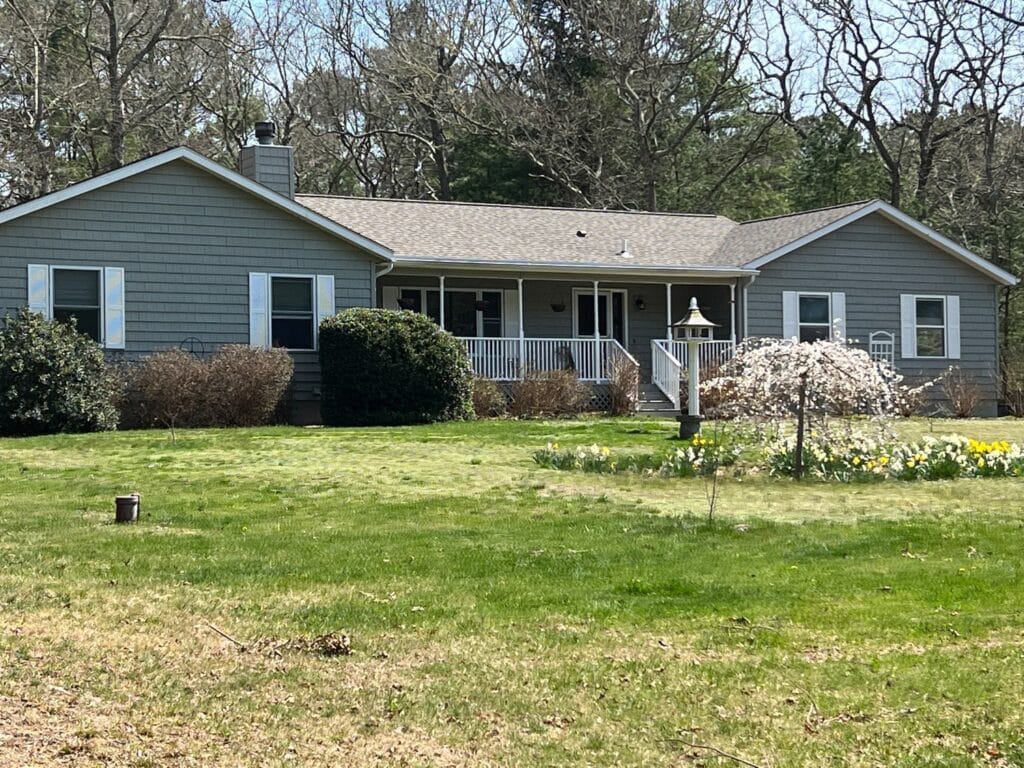
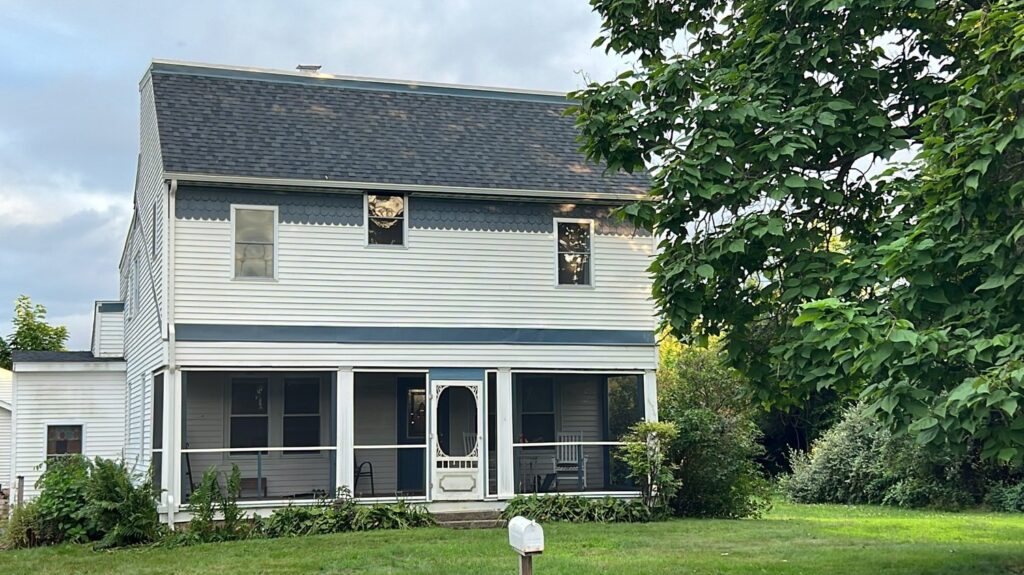
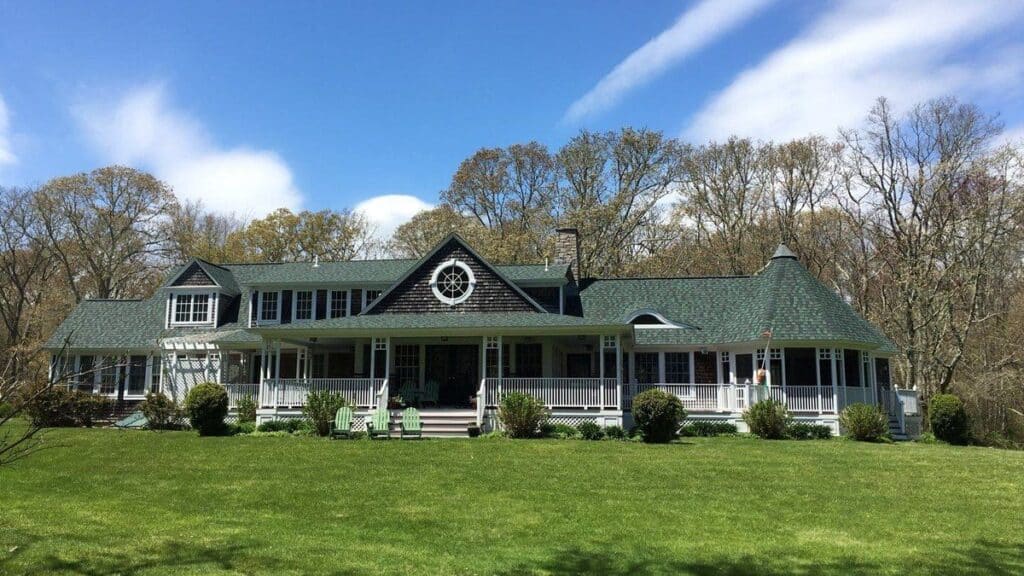
We’ve completed comprehensive ventilation installations throughout Hope Valley, from Main Street to rural estates, each designed for optimal performance.

Ventilation Strategy in Hope Valley, RI

Properties throughout Hope Valley near Riverfront homes often have ventilation systems that predate modern building standards. Our approach evaluates existing airflow patterns, identifies deficiencies, and designs solutions that balance intake and exhaust for lasting roof protection and improved comfort.
For Hope Valley homeowners, our ventilation approach accounts for the unique factors of rural Rhode Island living—tree canopy effects, aging construction methods, and seasonal moisture patterns that demand more from attic airflow systems. Every installation is tailored to deliver lasting protection and measurable comfort improvement.

Hope Valley experiences unique moisture from water proximity and dense trees reducing natural air circulation. Our approach combines aggressive soffit intake with powerful ridge exhaust to overcome rural humidity factors.

Hope Valley's Local, Trusted Roofing & Skylight Company

Ventilation Services in Hope Valley, RI

Home Ventilation Needs in Hope Valley, RI

Hope Valley’s diverse stock from historic farmhouses to modern rural residences needs tailored strategies. We evaluate each home individually and specify ventilation matched to dimensions, age, and tree exposure.

Rhode Island Ventilation Services in Hope Valley, RI

Beyond Hope Valley, Pinnacle Roofing & Skylights serves every Rhode Island community with expert ventilation installation and assessment. Our crews work throughout Providence, Kent, Washington, and Newport counties, bringing the same quality ridge vent systems, exhaust fan installations, and whole-house ventilation solutions that homeowners across the state depend on for comfort and roof protection year-round.
We serve Hope Valley and nearby communities with expert service.

Five Ventilation Installation Types in Hope Valley, RI

Proper ventilation combines multiple complementary systems.

Vented Drip Edge Installation in Hope Valley, RI

Vented drip edge protects Hope Valley homes near Wooded lots by combining water management and intake ventilation in a single roofline component. Rural properties surrounded by trees benefit particularly from the continuous airflow this system provides, helping prevent moisture buildup caused by canopy shade and ground humidity.

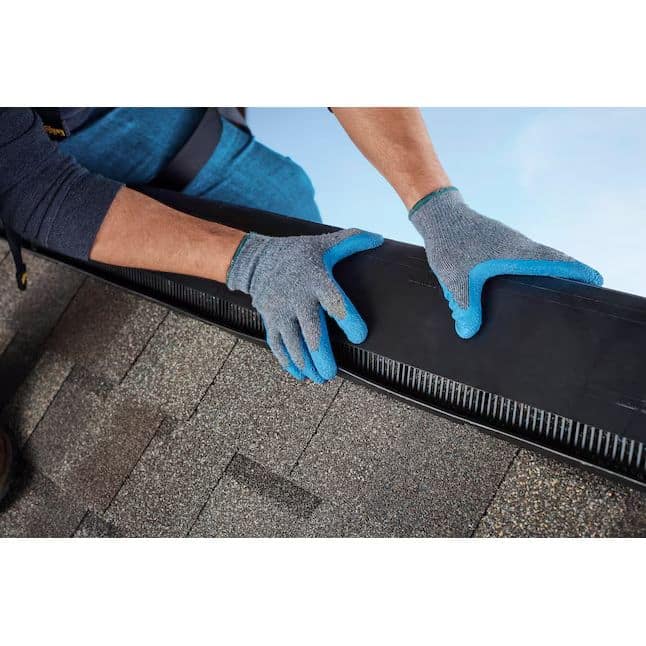
For homes throughout Hope Valley near Wooded lots, vented drip edge provides the reliable intake ventilation that older construction often lacks. Many rural Washington County location have soffit vents that were blocked during renovations, covered by insulation, or simply deteriorated over time. Vented drip edge restores continuous intake by integrating a perforated air channel into the component that caps the eave. Water flows across the top surface into the gutter while air enters through the lower strip, feeding the soffit cavity and rising through the attic toward ridge or exhaust vents above. Pinnacle sizes each installation to provide adequate net free area for the attic volume being ventilated, ensuring balanced airflow that controls moisture, prevents ice dams, and regulates temperature through every Rhode Island season.

Vented drip edge protects Hope Valley’s rural homes with continuous intake ventilation that resists the debris blockage common in wooded settings, combining water management with reliable airflow that keeps attics dry through every season.
Vented drip edge installation by Pinnacle Roofing and Skylights

Roof Exhaust Fans in Hope Valley, RI

Roof Exhaust Fans help Hope Valley homes near Wooded lots manage the ventilation challenges of wooded rural settings. Powered exhaust airflow that actively removes heat and moisture from the attic is particularly valuable where tree canopy restricts natural airflow and ground moisture affects attic humidity levels year-round.

Roof exhaust fans bring mechanical precision to attic ventilation in Hope Valley Rural properties near Rural neighborhoods, providing controllable airflow that responds to conditions rather than depending on weather patterns. When summer heat builds, thermostat-triggered fans activate to pull superheated air through roof-mounted housings. During humid seasons, humidistat-equipped models detect rising moisture and respond before condensation forms on cold surfaces. For rural properties where tree canopy shade reduces the solar heating that drives natural convection, powered exhaust compensates with motor-driven airflow that maintains adequate ventilation. Pinnacle evaluates your attic’s specific needs, including volume, current ventilation balance, peak temperature exposure, and moisture sources, before recommending fan type, size, and placement that delivers optimal results for your Hope Valley property.

For Hope Valley homeowners, roof exhaust fans provide reliable exhaust ventilation that overcomes the airflow restrictions of tree-covered properties, keeping attics dry and extending roof life through rural Rhode Island’s seasonal weather cycles.

Ridge Vents in Hope Valley, RI

Ridge Vents help Hope Valley homes near Hilltops manage the ventilation challenges of wooded rural settings. Continuous passive exhaust ventilation along the full length of the roof peak is particularly valuable where tree canopy restricts natural airflow and ground moisture affects attic humidity levels year-round.

Ridge vents installed on Hope Valley homes near Hilltops work through natural convection: warm attic air rises to the highest point and exits through a continuous opening protected by weatherproof baffles. The system provides silent, energy-free exhaust that operates every hour without mechanical parts, controls, or maintenance. For Southern Rhode Island area throughout Hope Valley, ridge vents are often the foundation of a complete ventilation strategy, with soffit vents providing the intake that feeds the ridge exhaust capacity. Ridge vent performance must overcome the reduced convection that tree canopy creates, sometimes requiring supplemental powered exhaust on properties with heavy shade coverage. Pinnacle calculates required net free area, verifies that ridge length provides adequate capacity, and installs with the precision that ensures decades of reliable performance for your Hope Valley home.

Ridge Vents give Hope Valley’s rural homes the exhaust ventilation needed to combat moisture accumulation from wooded surroundings, maintaining balanced airflow that protects roof sheathing and prevents the condensation that threatens older construction.
Ridge vent installation by Pinnacle Roofing and Skylights

Soffit Vents in Hope Valley, RI

Soffit Vents help Hope Valley homes near Rural neighborhoods manage the ventilation challenges of wooded rural settings. Essential intake ventilation through the eave overhang that feeds the entire attic airflow system is particularly valuable where tree canopy restricts natural airflow and ground moisture affects attic humidity levels year-round.

Every ventilation system begins with intake, and for Hope Valley homes near Hilltops, soffit vents provide the essential air entry point that all other components depend on. When soffit intake is inadequate, whether blocked by insulation, painted over, or simply undersized for the attic volume, the entire ventilation system underperforms regardless of how much exhaust capacity is installed above. Rural homes near Hilltops contend with organic debris including leaves, seeds, and pollen that gradually clogs soffit vent screens and reduces intake capacity over seasons. Pinnacle addresses soffit ventilation comprehensively for Washington County location in Hope Valley: we measure existing intake capacity, calculate the net free area required for balanced airflow, and install vents that deliver consistent, reliable performance season after season.

For Hope Valley homeowners, soffit vents provide reliable exhaust ventilation that overcomes the airflow restrictions of tree-covered properties, keeping attics dry and extending roof life through rural Rhode Island’s seasonal weather cycles.
Soffit venting installation by Pinnacle Roofing and Skylights

Roof Vents (Box Vents & Turbine Vents) in Hope Valley, RI

Roof Vents (Box Vents and Turbine Vents) help Hope Valley homes near Rural neighborhoods manage the ventilation challenges of wooded rural settings. Targeted exhaust ventilation at specific points across the roof surface for localized heat and moisture removal is particularly valuable where tree canopy restricts natural airflow and ground moisture affects attic humidity levels year-round.

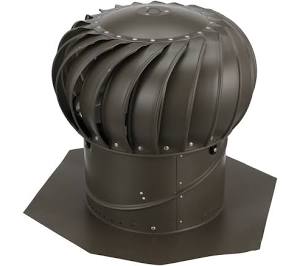
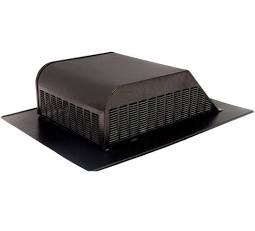
Box vents and turbine vents provide targeted exhaust ventilation for Hope Valley homes near Wooded lots where ridge vent installation is impractical or supplemental exhaust is needed. Box vents are static openings with weather-protective caps that allow hot air to exit the attic through natural convection. Turbine vents add a wind-driven rotary mechanism that increases exhaust volume when breezes spin the turbine head, creating active ventilation without electricity. Rural properties near Wooded lots where tree canopy blocks wind from reaching turbine vents may see better results from box vents supplemented by powered exhaust in critical zones. Pinnacle positions these vents using calculated spacing that ensures even exhaust distribution without creating zones of negative pressure that pull conditioned air from below in your Hope Valley home.

Roof Vents (Box Vents and Turbine Vents) give Hope Valley’s rural homes the exhaust ventilation needed to combat moisture accumulation from wooded surroundings, maintaining balanced airflow that protects roof sheathing and prevents the condensation that threatens older construction.
Roof vent installation by Pinnacle Roofing and Skylights

Ventilation System Comparison in Hope Valley, RI

Rural attics require tailored ventilation approaches based on shading and moisture.

Ventilation system selection for Hope Valley homes near Rural neighborhoods considers the challenges of wooded settings and older construction. Ridge vents provide quiet, continuous exhaust that works well on properties with adequate ridge length and clear attic spaces. Roof exhaust fans add powered extraction for homes where tree canopy reduces the natural convection that drives passive ventilation. Soffit vents and vented drip edge supply intake at the eave, with the choice depending on soffit condition and accessibility. Box vents and turbine vents supplement ridge systems on complex roof designs. For Hope Valley’s rural properties, Pinnacle often recommends a balanced approach combining ridge vents with continuous soffit intake and targeted powered exhaust to overcome the reduced airflow that tree cover creates.

Balanced ridge/soffit + drip edge + fans = effective system.

Premium Ventilation Manufacturers in Hope Valley, RI

Pinnacle Roofing & Skylights installs ventilation components from trusted manufacturers proven in New England conditions. For Hope Valley homes near Rural neighborhoods, we recommend QuietCool whole-house fans that create refreshing natural airflow throughout the home, dramatically reducing cooling costs for properties surrounded by trees where shade and humidity define summer living. Our ridge vent selections from Lomanco and Air Vent feature integrated baffles that block rain, snow, and debris—important in wooded settings where leaf accumulation can compromise lesser products. Solar exhaust fans from Remington Solar provide active attic ventilation powered entirely by sunlight, keeping rural properties cool without increasing utility expenses. Every product we install carries manufacturer warranty protection and meets our standards for long-term performance.

QuietCool dealer + CertainTeed certified + quality partners.

Complete Ventilation System Design in Hope Valley, RI

Woodland ventilation systems must overcome shade and moisture with coordinated components.

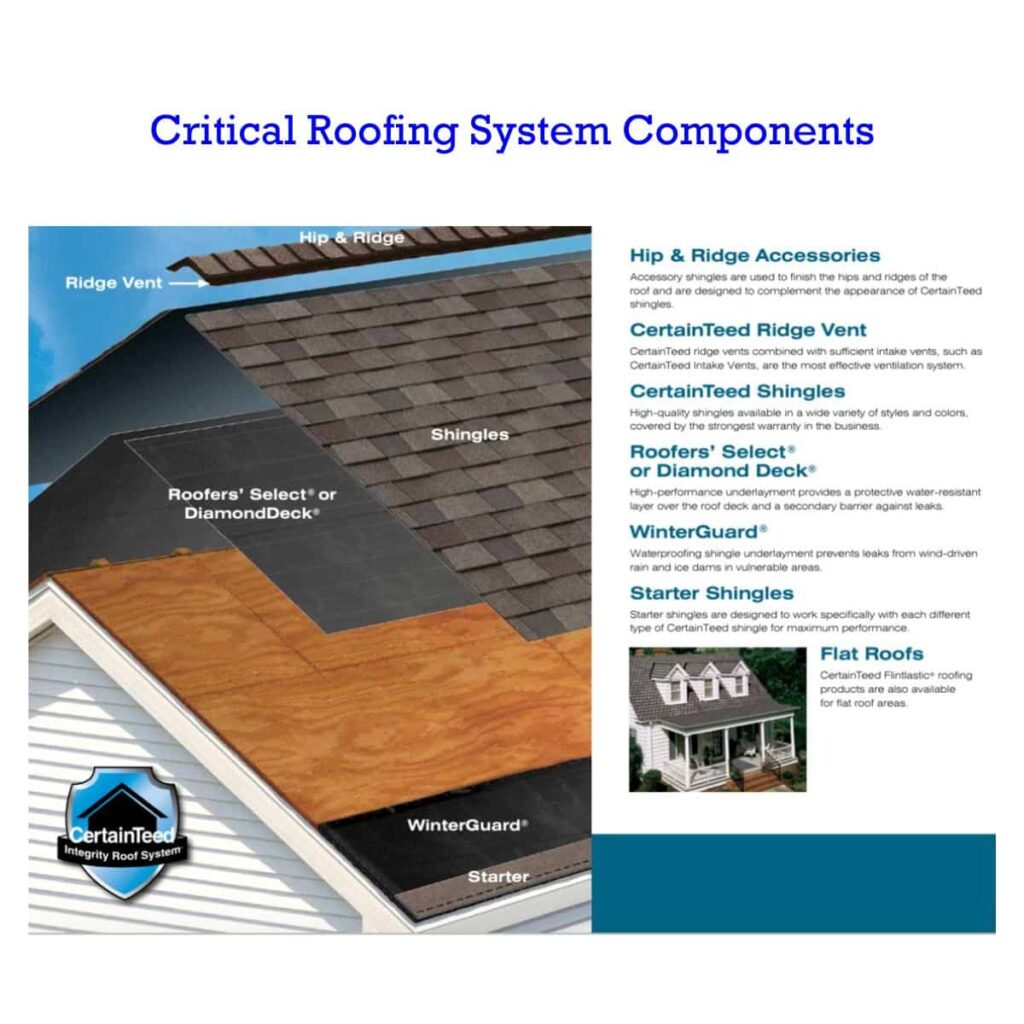
Pinnacle Roofing integrity roof system and storm proofing overview

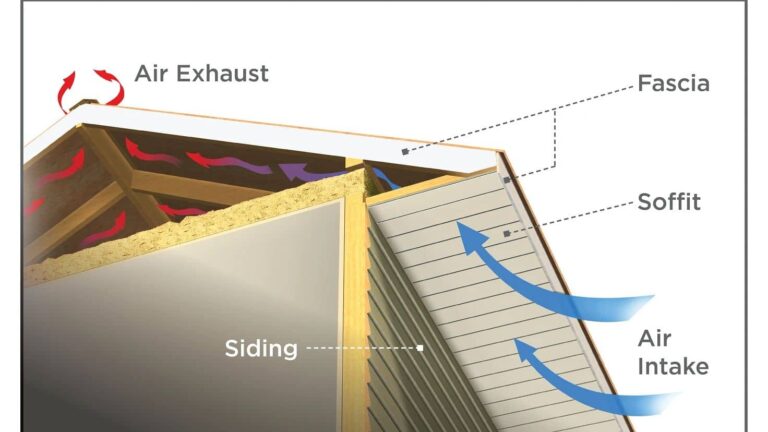
A properly designed ventilation system for Hope Valley homes near Rural neighborhoods creates a continuous airflow circuit from eave to ridge that manages heat and moisture throughout the attic. Fresh air enters through intake vents at the soffit or eave, travels upward across the roof sheathing surface—absorbing heat and evaporating moisture along the way—then exits through exhaust vents at the peak. For rural properties where tree cover can limit natural convection, the system may include powered exhaust components to maintain adequate airflow during calm conditions. Pinnacle designs each system with balanced intake and exhaust capacity, installing baffles that keep insulation from obstructing air pathways and ensuring that every section of the attic receives adequate ventilation.

Professional sizing + design + installation = efficient.

Installation Process in Hope Valley, RI

We design Hope Valley ventilation by first understanding your unique woodland conditions.

Our ventilation installation process for Hope Valley homes near Rural neighborhoods begins with a thorough property assessment that accounts for the unique conditions of rural settings. We evaluate the attic space, measure dimensions and existing ventilation capacity, check for moisture damage or mold that signals current system failure, and assess how surrounding tree cover affects natural airflow patterns. Based on this evaluation, we design a ventilation system sized for your home’s specific requirements—calculating net free area for balanced intake and exhaust that maintains proper attic conditions even when natural convection is reduced. Professional installation follows manufacturer specifications for every component, with careful attention to weather sealing and proper flashing. We complete each Hope Valley project with system verification to confirm balanced, effective airflow.

Assessment + design + installation + verification.

Common Ventilation Problems in Hope Valley, RI

Properties in Hope Valley near Wooded lots experience ventilation issues amplified by wooded surroundings and seasonal humidity changes that stress older roof systems. Inadequate soffit and ridge ventilation allows moisture to accumulate in attic insulation, promoting mold growth and wood rot that compromise both structural integrity and indoor air quality.

The most common ventilation problem in Hope Valley Rural properties near Wooded lots is imbalance between intake and exhaust capacity. When exhaust exceeds intake, the attic develops negative pressure that pulls conditioned air from the living space through ceiling penetrations—increasing energy costs without improving ventilation effectiveness. When intake exceeds exhaust, fresh air enters at the eave but has nowhere to exit efficiently, creating dead zones where heat and moisture accumulate. Tree canopy shade reduces the solar-driven convection that passive ventilation depends on, making balanced design even more critical. Beyond imbalance, common problems include blocked soffit vents, deteriorated exhaust components, and insulation covering intake pathways. Pinnacle diagnoses the specific failures affecting your Hope Valley home and designs corrections that restore proper airflow circulation.

We identify and fix all ventilation problems.

Ventilation Component Lifespan in Hope Valley, RI

Woodland ventilation components face accelerated wear from moisture and debris.

Understanding how long ventilation components last helps Hope Valley homeowners near Wooded lots plan maintenance and budget for eventual replacement. Passive exhaust components like ridge vents and box vents have no moving parts and typically last 20 or more years when quality materials are installed properly. Active components—electric exhaust fans and whole-house fans—have motors and bearings that limit their service life to 10 to 20 years depending on usage patterns and maintenance. Intake components including soffit vents and vented drip edge provide decades of service when kept clear of leaf accumulation and nesting material. For Southern Rhode Island area throughout Hope Valley, the key to maximizing component life is professional installation that prevents premature wear and periodic inspections that catch problems early. Pinnacle provides both, ensuring your ventilation investment delivers its full expected service life.

Ridge/soffit: 20-30 years. Regular maintenance extends life.

Ventilation Replacement in Hope Valley, RI

Aging ventilation in Hope Valley homes leads to serious moisture problems.

Several warning signs tell Hope Valley homeowners near Riverfront homes that ventilation components need replacement rather than repair. Attic inspections revealing widespread condensation, mold on sheathing, or darkened wood rafters indicate ventilation has been inadequate for an extended period. Visible daylight through ridge vent caps suggests baffle failure that compromises weather protection. Exhaust fans producing more noise than airflow have reached end of life. Animal-damaged screens and debris-packed vent channels restrict airflow. Energy bills rising without other explanation often point to ventilation decline forcing HVAC systems to compensate. Pinnacle’s assessment of your Hope Valley property identifies not just what needs replacement, but the priority order that delivers the most value—addressing the components causing the greatest performance loss first while planning for future upgrades.

Aging vents lose efficiency; replacement restores performance.

Why Homeowners Choose Pinnacle in Hope Valley, RI

Pinnacle’s experience with rural properties means understanding woodland ventilation challenges.

Pinnacle Roofing & Skylights provides Hope Valley homeowners near Riverfront homes with ventilation expertise tailored for rural Rhode Island properties. We understand how wooded settings, older construction, and ground moisture create ventilation challenges that require solutions beyond standard approaches. Our authorized QuietCool installations bring whole-house cooling to rural homes where natural ventilation provides exceptional comfort during warm months. Every project starts with a thorough property assessment that accounts for tree cover, construction age, and existing ventilation conditions. The result is a system designed specifically for your home—not a generic template applied without consideration for local conditions. Professional installation, quality materials, and manufacturer warranties back every Pinnacle ventilation project, giving Hope Valley homeowners the confidence that their investment delivers lasting protection and comfort improvement.

Master + dealer + rated + licensed.

Ventilation Investment in Hope Valley, RI

Woodland ventilation costs more due to complexity and scope needed.

Ventilation costs for Hope Valley homes near Hilltops vary based on property size, roof complexity, existing conditions, and the type of system that best addresses your rural property’s needs. Larger rooflines, multiple attic zones, and older construction common in rural areas can influence the scope of work required. Pinnacle inspects each Hope Valley property thoroughly before providing a detailed written estimate that breaks down every component. We never quote sight-unseen—accurate pricing requires understanding your specific situation. Financing through Synchrony Financial makes ventilation improvements accessible for Hope Valley homeowners.

Ventilation: varies based on your home depending on scope.

Ventilation & Weather Protection in Hope Valley, RI

Forest climate challenges ventilation with persistent humidity.

Storm-Ready Ventilation in Hope Valley, RI

Storm-Damaged Roofs Require Fast Action

When you find storm damage on your roof in Rhode Island, swift action can be crucial. Contacting trusted roofing professionals like us for a thorough inspection. Our expert team will assess the damage and determine if roof repairs or roof replacement is recommended. With New England’s predictably unpredictable weather, it is important repairs happen quickly to prevent further loss. 

Trusted Partner in Hope Valley, RI

Pinnacle is CertainTeed SELECT ShingleMaster, QuietCool authorized, A+ BBB rated.

Client Testimonials in Hope Valley, RI

Clients praise our professionalism.

Ventilation Questions in Hope Valley, RI

Is Pinnacle Roofing & Skylights licensed and insured for ventilation work in Hope Valley, RI?
Pinnacle is licensed and insured for Hope Valley ventilation work — Residential Registration #39446, Commercial License #261, complete liability and workers’ comp coverage.
Do I need a permit for ventilation work in Hope Valley, RI?
Hope Valley is part of Hopkinton for building permit purposes. Contact the Hopkinton Building Department for ventilation permit requirements. Pinnacle handles the full permit application process as part of our ventilation installation service, so homeowners in Hope Valley can focus on their home while we manage the paperwork and inspections.
Do you offer financing or monthly payment plans for ventilation in Hope Valley, RI? For Hope Valley homeowners on larger properties, financing makes comprehensive ventilation upgrades manageable.
Pinnacle partners with Synchrony Financial to provide financing options for ventilation installations in Hope Valley. Plans include 0% interest and low monthly payments, allowing homeowners to spread the cost of a quality ventilation system over time. Every ventilation project is affordable with Pinnacle — we walk you through the financing process during your estimate.
How much does ventilation installation cost in Hope Valley, RI? Rural properties in Hope Valley may need more extensive ventilation — knowing cost factors helps you budget.
Ventilation costs for your Hope Valley home depend on several factors: attic square footage, the type of ventilation components needed (ridge vents, soffit vents, exhaust fans, or whole-house fans), the number of roof penetrations required, and whether existing ventilation needs removal or modification. Pinnacle provides detailed, itemized estimates after inspecting your Hope Valley property so you know exactly what you are paying for. We also offer financing through Synchrony Financial with 0% interest options to make every ventilation project affordable.
How do I know if I need new ventilation or just a repair in Hope Valley, RI? Wooded lots in Hope Valley put extra stress on ventilation — understanding repair versus replacement helps you plan.
When your Hope Valley attic has one malfunctioning vent or a single blocked soffit, targeted repair is the most practical solution. But when the problems are systemic — multiple failing components, inadequate airflow capacity, persistent condensation, or a system past its functional lifespan — replacement delivers better long-term value. Pinnacle’s Hope Valley property assessments give you a clear picture of where your ventilation stands and what actually makes sense to do about it.


What type of warranties does Pinnacle offer for ventilation in Hope Valley, RI? Strong warranties matter for Hope Valley homes where heavy snow and wooded surroundings put ventilation to the test.
Every ventilation installation Pinnacle completes in Hope Valley is backed by two layers of warranty protection. First, the manufacturer’s warranty covers the materials — ridge vents, powered fans, soffit vents, and QuietCool systems all carry product warranties from industry-leading manufacturers. Second, Pinnacle’s workmanship guarantee covers the installation, because the best materials only perform their best when installed by certified professionals. The best manufacturers plus the best workmanship means the best warranties for your Hope Valley home.
Does Pinnacle help with insurance claims for ventilation damage in Hope Valley, RI? Storm damage to ventilation on Hope Valley properties is common — professional claims assistance makes restoration smoother.
Yes, full claims assistance is part of what Pinnacle provides for Hope Valley homeowners dealing with storm-damaged ventilation. We handle damage documentation, insurance adjuster coordination, and the complete repair or replacement process. Our storm damage insurance claims experience means Hope Valley homeowners get the support they need to restore their ventilation system without navigating the claims process alone.
How does proper ventilation reduce energy costs in Hope Valley, RI?
Hope Valley’s wooded setting offers energy savings through proper ventilation. Ridge and soffit venting reduces summer cooling 15-25%. QuietCool fans ensure cooling despite tree shade. Winter ventilation prevents mold in humid forest.
Why is Pinnacle Roofing & Skylights considered one of the best ventilation contractors in Hope Valley, RI?
Pinnacle is CertainTeed SELECT ShingleMaster (top 1%), QuietCool dealer, A+ BBB.

& Adjacent Communities in Hope Valley, RI

We serve Hope Valley and neighbors.

Take a Look at Our Work

Local Expertise in Hope Valley, RI

Pinnacle responds quickly to Hope Valley properties understanding woodland challenges.