nn
Skip to content
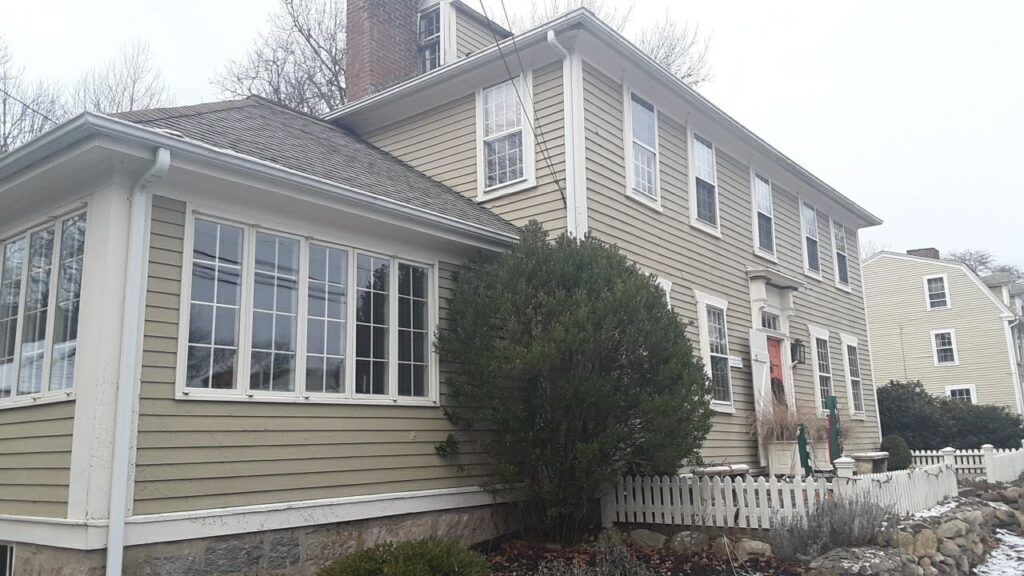
This home in the historic village of Kingston, part of South Kingstown, was built in 1820 — more than two
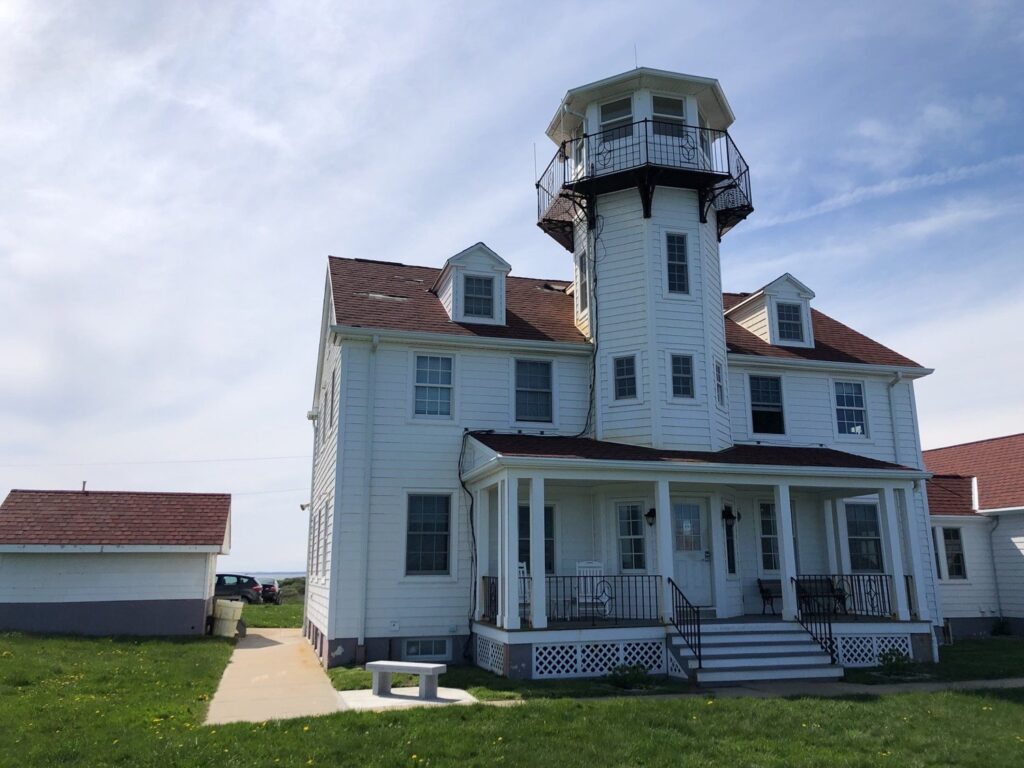
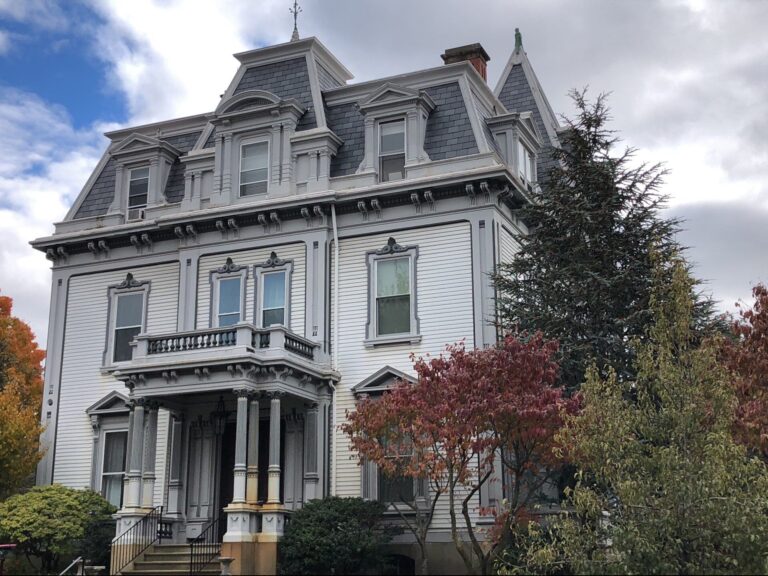
Standing watch over Narragansett Bay, this historic coastal station needed a roof worthy of its stature — one that could
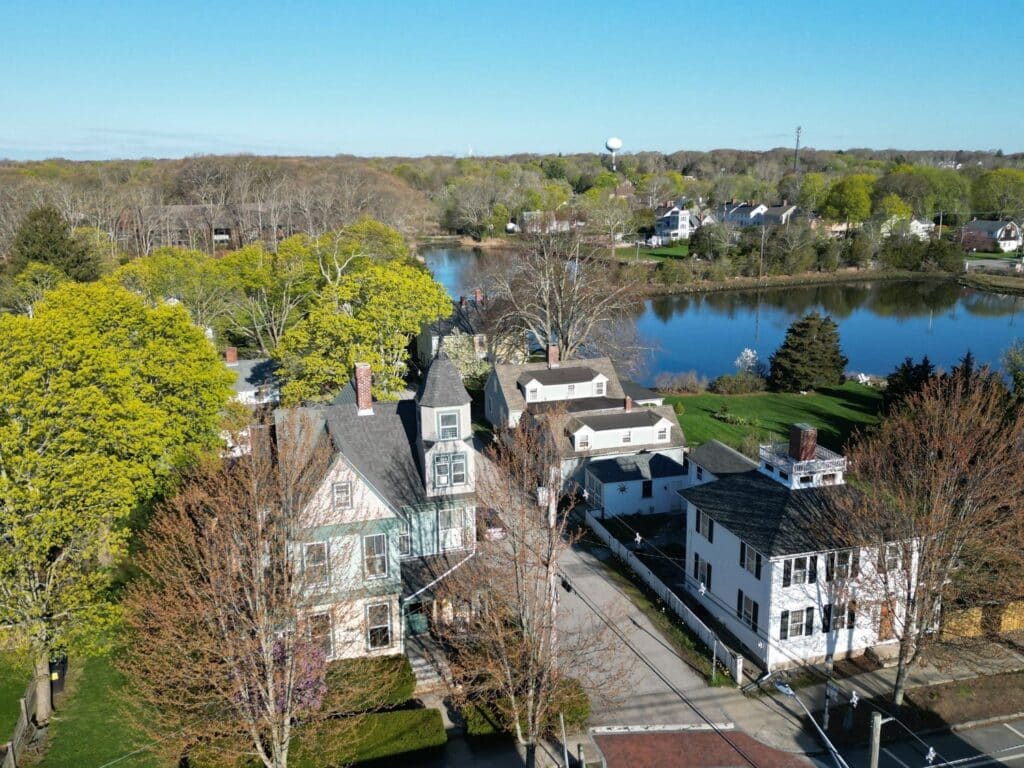
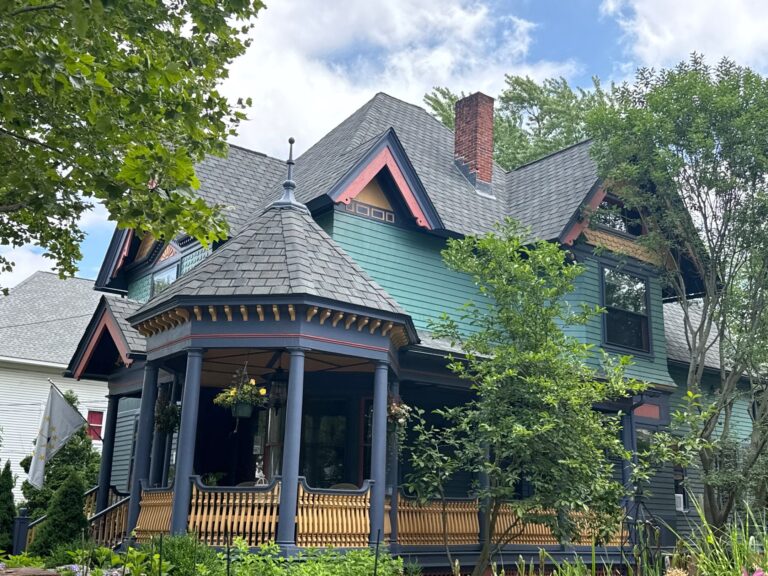
Few homes are harder to roof well than a true Victorian, and this North Kingstown landmark — all steep gables,
Historical roof replacement near Waterfront and beach-area homes in New Shoreham requires a different approach than standard residential work. Pinnacle starts every project with research — identifying the home’s architectural period, understanding which materials are period-appropriate, and determining whether commission approval is needed. While New Shoreham may not have a formal historic district commission, many older homes carry architectural character worth preserving. We assess the structural capacity of the existing framing, especially important if the homeowner is considering heavy materials like natural slate. We document decorative elements throughout the roofline that must survive the tear-off and installation process intact. For homes along Block Island (New Shoreham) and properties near Sloped lots along the bluffs, we factor in local conditions — Atlantic weather impacts — that affect material selection and long-term performance. Our material presentations include clear comparisons: authenticity level, weight implications, lifespan expectations, maintenance requirements, cost, and likelihood of commission approval. Once you choose a direction, we source materials with appropriate lead times, schedule the project, and execute with careful installation practices that protect the home’s character.
Premium architectural asphalt shingles offer a practical and affordable path to restoring your New Shoreham historic home’s appearance without the weight or cost of natural materials. Coastal inns near Waterfront and beach-area homes find this option especially appealing.
Luxury-grade asphalt from CertainTeed, GAF, and Owens Corning has advanced to the point where premium product lines closely approximate the dimensional appearance of natural slate and wood shake. For New Shoreham homeowners across Waterfront and beach-area homes with Coastal inns that don’t require commission-specified materials, these shingles offer the most accessible entry point to historically sensitive roofing. CertainTeed’s Belmont line, GAF’s Grand Sequoia, and the Owens Corning Berkshire Collection all create the layered, textured appearance that suits period architecture. No structural reinforcement is needed — these products install on standard roof framing. Lifespans range from 30 to 50 years depending on product line, exposure to Atlantic weather impacts, and ventilation quality.
Composite slate replicates the appearance of quarried slate at a fraction of the weight and cost, making it one of the most popular choices for New Shoreham historical roof replacement projects near Waterfront and beach-area homes.
DaVinci Roofscapes and Brava Roof Tile produce composite slate that replicates quarried stone’s color, texture, and profile with remarkable accuracy. Composite slate solves the problem of wanting authentic appearance without the extreme weight and cost of natural stone. Structural reinforcement is unnecessary — these lightweight tiles install on existing framing. Impact resistance handles challenging climates that would crack natural slate, and 50-plus year lifespans mean the investment lasts. Multi-width profiles give the varied, natural look that commissions expect on period homes along Block Island (New Shoreham). Composite slate has gained acceptance with many Rhode Island historic district commissions as a practical alternative that preserves aesthetic integrity.
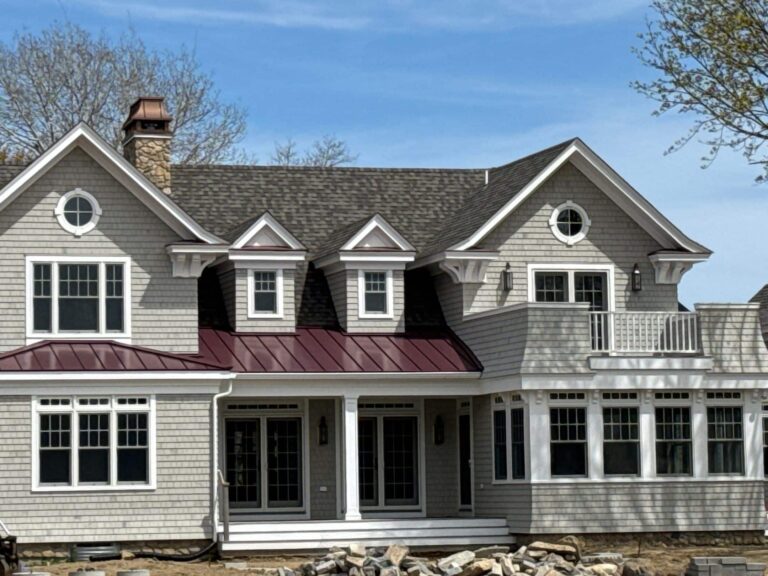
Wood shake and composite shake options are ideal for New Shoreham’s colonial farmhouses, Cape Cod homes, and Shingle-style properties near Waterfront and beach-area homes that originally featured wood roofing.
DaVinci Shake profiles replicate the appearance of hand-split cedar shake with none of the maintenance, fire risk, or rot concerns that come with natural wood. For homeowners who want the rustic character of wood shake on Coastal inns, composite shake delivers a 50-plus year lifespan with minimal upkeep. Natural cedar shake remains available for projects where absolute authenticity is required. Cedar weathers to a silver-gray tone that suits many historic homes near Sloped lots along the bluffs, though it requires regular maintenance and fire treatment. Natural cedar lifespans range from 20 to 30 years, somewhat less in areas with heavy moisture and shade. Commission approval is common for both natural and composite shake on appropriate architectural styles. We assess your home’s period, discuss material trade-offs, and help you choose the shake product that balances authenticity, longevity, and budget.
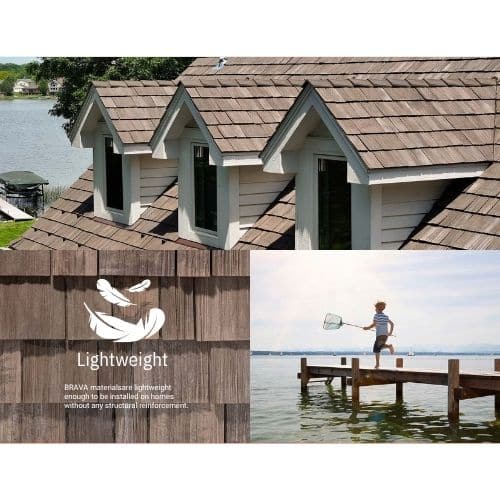
For Coastal inns near Waterfront and beach-area homes in New Shoreham where cedar shake appearance is desired without ongoing wood maintenance, Brava Cedar Shake tiles offer a durable, fire-safe alternative.
Brava Cedar Shake combines the authentic wood shake look Coastal inns deserve with Class A fire protection and extended durability. The lightweight, walking-safe tiles install easily and never require the routine upkeep natural cedar demands in Sloped lots along the bluffs. Color stability means the roof appearance remains consistent over 50-plus years rather than transitioning to natural wood’s silver patina. Natural cedar, by contrast, carries fire risk, succumbs to rot in high-moisture environments exposed to Atlantic weather impacts, and typically lasts only 20 to 30 years. Brava delivers better long-term value despite a higher initial investment. Historic district commissions increasingly approve these tiles because they achieve the period aesthetic without the practical liabilities of natural materials.
Restoring metal porch roofs on New Shoreham’s Coastal inns near Waterfront and beach-area homes brings back an authentic detail that defines the home’s character — tin and copper accent roofing has been part of Rhode Island architecture for centuries.
Many historic homes originally featured tin or terne-coated metal on porch roofs, bay window tops, and low-slope transitions between roof planes. Over decades, these metal sections corrode, develop leaks, and lose the clean profile that defined the home’s character. Modern standing seam metal replicates the look of traditional tin porch roofing while delivering far superior weather resistance and longevity. Copper accents remain available for homes where that material was original — copper develops a natural green patina over time. Metal is ideal for the complex geometry found on Victorian porches, wraparound verandas, and covered entries common on period homes along Block Island (New Shoreham). Properly installed metal porch roofing sheds water and snow efficiently, protecting entry areas from Atlantic weather impacts. Historic commissions often prefer or require metal for porch and accent roof areas. We have experience fabricating and installing metal porch roofs on historic homes throughout Rhode Island.
Every material option for New Shoreham’s Coastal inns near Waterfront and beach-area homes offers a distinct combination of period authenticity, practical performance, and cost — understanding these trade-offs is essential before committing.
Natural slate offers the highest authenticity for many Rhode Island architectural styles and can last 75 to 150 years, but it is the heaviest and most expensive option, often requiring structural reinforcement. Composite slate from DaVinci or Brava closely replicates the appearance at a fraction of the weight, with 50-plus year lifespans and acceptance by many commissions. Natural cedar shake is historically accurate for colonial homes but requires regular maintenance and has a shorter 20 to 30 year lifespan. Composite cedar shake provides the same appearance with fire safety and minimal maintenance over 50-plus years. Premium architectural asphalt shingles are the most affordable option for Coastal inns along Block Island (New Shoreham) and work well outside strict commission oversight, with 30 to 50 year lifespans. Standing seam metal is typically used for accent areas — porch roofs, dormers, and low-slope sections near Sloped lots along the bluffs — where tin or copper was original. The right choice depends on your specific home, its designation status, and your goals. We evaluate all factors and present options with clear trade-offs.
For historical roof replacement, we source from manufacturers who produce materials suited to period architecture. DaVinci Roofscapes offers composite slate and shake that replicates natural materials. Brava Roof Tile manufactures fire-rated composite cedar shake. CertainTeed provides luxury asphalt lines like Belmont and Grand Manor along with the Integrity Roof System. GAF and Owens Corning offer their own premium profiles. Firestone Una-Clad standing seam metal handles porch and accent areas. Different product lines within each manufacturer affect appearance, warranty coverage, and commission acceptability — we help Coastal inns along Block Island (New Shoreham) navigate these choices for the best result.
The roofing system beneath the visible material matters as much as the material itself. For historic homes in New Shoreham near Waterfront and beach-area homes, proper system integration protects structures that cannot be easily repaired.
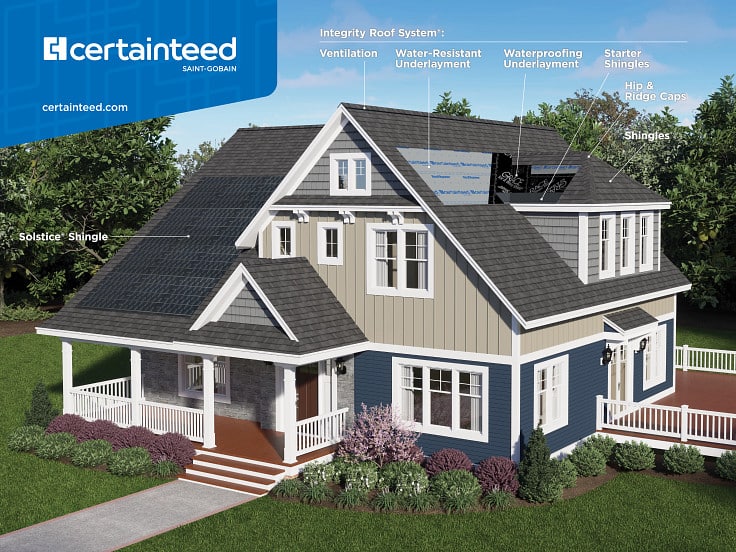
A properly engineered roofing system is the foundation of historical roof replacement success. We design each system using CertainTeed Integrity Roof System principles adapted to the specific home’s architecture. Waterproofing underlayment protects critical junctures at eaves, valleys, and penetrations most vulnerable to water infiltration — essential for Coastal inns near Waterfront and beach-area homes with complex geometry. Full-deck synthetic underlayment adds redundant moisture protection. Starter course installation ensures bottom-row shingles withstand Atlantic weather impacts. Selected historic material installs per manufacturer specifications to preserve warranty coverage. Ridge and hip caps match the primary material visually and functionally. Integrated ventilation draws moisture away from structural wood and insulation while remaining invisible on Coastal inns along Block Island (New Shoreham). Custom-fabricated flashing for chimneys, dormers, walls, and corner conditions near Sloped lots along the bluffs distinguishes exemplary historic work from basic installation; improper flashing is the leading cause of leaks on historic homes.
Step one is an on-site assessment of existing roof condition, architectural style, structural capacity, and historic details requiring preservation on Coastal inns near Waterfront and beach-area homes. Step two is historical research — identifying the home’s architectural period and any commission requirements. Step three is commission coordination where applicable — preparing applications with material specs and color samples. Step four is material recommendation — presenting options that satisfy requirements, match the home’s character, and fit the budget, with clear trade-offs. Step five is a detailed written estimate covering materials, labor, structural work if needed, and timeline. Step six is material sourcing — specialty products like composite slate and custom metalwork often need advance ordering. Step seven is installation — careful tear-off protecting trim and details along Block Island (New Shoreham), proper system layers, and new material installed to manufacturer specs. Step eight is a final walkthrough with documentation for commission records if required. Throughout the process, communication is clear — you know what is happening at every stage.
The older roofs found on New Shoreham’s historic homes near Waterfront and beach-area homes face challenges that standard residential properties typically do not. Understanding common problems helps homeowners plan for a proper replacement.
Historic homes develop characteristic problems over time. Deteriorating primary materials — cracked or missing slate, rotting wood shake, rust-compromised metal porch roofing — represent the most obvious damage. Flashing failures at chimneys, dormers, and wall transitions are frequent culprits in leak development on Coastal inns along Block Island (New Shoreham), as original lead and galvanized fasteners corrode through decades. Structural stress manifests as sagging ridges or bowing walls from the cumulative weight of heavy materials like natural slate. Ice dam formation plagues homes in Sloped lots along the bluffs that lack modern insulation and ventilation, especially in harsh climate zones. Accumulated patch repairs using mismatched materials, roofing cement, and improper techniques create a patchwork appearance and compromise both function and character. Some properties received basic three-tab asphalt re-roofing at some historical point, obscuring the original period material entirely—this actually presents an opportunity for restoration. Biological growth (moss, lichen, algae) colonizes shaded roofs and accelerates decay. Our thorough assessment identifies every issue, not just surface problems.
Lifespan expectations for historical roofing in New Shoreham depend heavily on the material chosen and the conditions the roof faces near Waterfront and beach-area homes.
Longevity expectations for historical roof replacement vary dramatically by material and local conditions. Natural slate tops the lifespan chart at 75 to 150 years on Coastal inns near Waterfront and beach-area homes, though metal fasteners and flashing components typically need replacement well before the slate itself deteriorates. Natural cedar shake is period-appropriate for colonial homes along Block Island (New Shoreham) but typically lasts only 20 to 30 years, with performance shortening in high-moisture areas like near Sloped lots along the bluffs. Regular maintenance is mandatory to achieve even these modest lifespans. Composite slate and shake from DaVinci and Brava both exceed 50 years with virtually zero upkeep—a compelling alternative to natural materials. Premium architectural asphalt in luxury product lines delivers 30 to 50 year performance depending on the specific product and exposure to local weather. Standing seam metal and copper finish strong at 50 to 100 years or more. Salt air throughout Sloped lots along the bluffs can accelerate corrosion on metal fasteners and promote algae growth that affects material longevity. For historic homes, material selection based on realistic performance in local conditions—not just aesthetic authenticity—ensures the roof delivers its promised lifespan.
Knowing when a historic roof near Waterfront and beach-area homes in New Shoreham has reached end of life helps homeowners plan a proper replacement rather than continuing to patch an aging system.
For historic homes, replacement indicators include widespread material failure across the roof, recurrent leaks despite repairs, structural concerns visible from the attic, and a history of patchwork using mismatched materials that compromise the home’s appearance. Coastal inns along Block Island (New Shoreham) that were re-roofed with standard asphalt shingles at some point now have the opportunity to restore historically appropriate materials when those shingles reach end of life. We assess every home near Sloped lots along the bluffs honestly — if targeted repairs can protect the home effectively, we recommend repairs. When the roof has reached a point where continued patching costs more than it saves and diminishes the home’s character, we help homeowners plan a replacement that uses the right materials, respects the architecture, and invests in the property’s future.
Historic homes near Waterfront and beach-area homes in New Shoreham deserve a roofing contractor who understands their character and knows how to protect it. Pinnacle brings specialized knowledge to every project.
We approach historical roof replacement differently than standard residential work. We start by understanding your home’s architectural period and what its roof should look like — not by pushing a product. Our experience with Rhode Island’s historic properties and commissions means we know which materials satisfy requirements, which product lines replicate period aesthetics, and which installation practices protect architectural details on Coastal inns near Waterfront and beach-area homes. We handle commission coordination from start to finish. Our crews are trained to work carefully around decorative trim, cornices, and moldings along Block Island (New Shoreham). Custom flashing is fabricated to match each home’s unique geometry near Sloped lots along the bluffs. Debris containment protects period landscaping and established gardens. Licensed for both residential (registration 39446) and commercial (registration 261) work, fully insured, and committed to detailed written estimates that break down every component. No pressure, no preset agenda — we listen to your goals for your property and present options with clear trade-offs.
The investment in a historical roof replacement for your New Shoreham home near Waterfront and beach-area homes depends on material choice, roof geometry, commission requirements, and the level of architectural detail preservation involved.
Historical roof replacement cost reflects the specialized nature of this work. Material choice dominates the budget: natural slate is highest cost but offers 75-150 year longevity; composite slate and shake deliver 50+ years at moderate cost; premium asphalt is most affordable with 30-50 year lifespan. Historic homes along Block Island (New Shoreham) with complex rooflines—multiple planes, dormers, architectural articulation—require more material and labor than simple designs. Custom flashing and metalwork around chimneys, transitions, and decorative elements near Sloped lots along the bluffs is essential for historic preservation and affects cost significantly. Structural engineering and potential reinforcement add cost when original framing is marginal for selected material weight. Historic district commission coordination (applications, materials research, approval processes) affects timeline and labor. Lead times for specialty materials (natural slate, engineered composites) require advance ordering and project planning. Protection of existing trim, careful tear-off, and debris management during installation takes longer than standard roofing. We break down costs component-by-component in writing. Review our Rhode Island roof cost guide for general reference points. 0% interest financing through Synchrony Financial and flexible monthly payment options make high-quality historical replacement financially accessible.

Storm-Damaged Roofs Require Fast Action
When you find storm damage on your roof in Rhode Island, swift action can be crucial. Contacting trusted roofing professionals like us for a thorough inspection. Our expert team will assess the damage and determine if roof repairs or roof replacement is recommended. With New England’s predictably unpredictable weather, it is important repairs happen quickly to prevent further loss.