nn
Skip to content
Roof ventilation clears the warm, moist air that collects in an attic — but the less of that air you
This Charlestown Cape’s re-roof was run efficiently from tear-off to cleanup, so the homeowners had their house back quickly. Pinnacle
This Richmond ranch’s new roof and trim were completed efficiently, so the homeowner had the house back with minimal disruption.
Rhode Island’s varied landscape creates distinct ventilation challenges. Coastal neighborhoods battle salt spray and persistent humidity; urban areas like Providence trap summer heat; rural sections face cold-weather condensation. We design statewide solutions that respect local geography while providing comprehensive moisture and heat management. QuietCool whole-house fans perform efficiently whether installed near Block Island’s lighthouse or in quiet West Greenwich farmland.

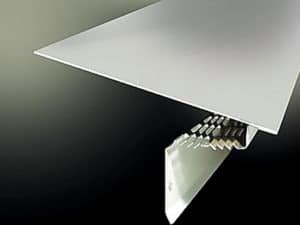
Along the roofline of Rhode Island homes near Narragansett Bay, vented drip edge serves dual purposes—channeling rainwater away from fascia while allowing fresh air to enter the attic through a continuous intake strip. This is especially critical for coastal properties where salt exposure accelerates wood deterioration at the eave.
Installing vented drip edge on Rhode Island homes near Narragansett Bay addresses two critical vulnerabilities where the roof meets the eave. First, it provides a continuous water management surface that directs runoff into gutters without allowing moisture to wick back under shingles. Second, its integrated ventilation channel supplies fresh air intake along the entire roofline—something individual soffit vents cannot achieve with the same consistency. For coastal capes, Pinnacle specifies corrosion-resistant materials rated for salt air exposure, ensuring the ventilation pathway remains clear for years. The continuous design also prevents debris blockage that plagues traditional soffit vents in homes near trees, making it an ideal solution for Rhode Island properties that need reliable intake airflow through every season.
Roof Exhaust Fans installation provides Rhode Island homes near Narragansett Bay with powered exhaust airflow that actively removes heat and moisture from the attic. Coastal properties benefit from enhanced airflow management that combats salt-air moisture infiltration and the humidity levels that accelerate roof deterioration along Rhode Island’s shoreline.
Roof exhaust fans bring mechanical precision to attic ventilation in Rhode Island historic homes near Narragansett Bay, providing controllable airflow that responds to conditions rather than depending on weather patterns. When summer heat builds, thermostat-triggered fans activate to pull superheated air through roof-mounted housings. During humid seasons, humidistat-equipped models detect rising moisture and respond before condensation forms on cold surfaces. For coastal properties where persistent humidity saturates attic spaces faster than passive systems can manage, powered exhaust provides the active moisture removal that prevents sheathing damage and mold growth. Pinnacle evaluates your attic’s specific needs, including volume, current ventilation balance, peak temperature exposure, and moisture sources, before recommending fan type, size, and placement that delivers optimal results for your Rhode Island property.
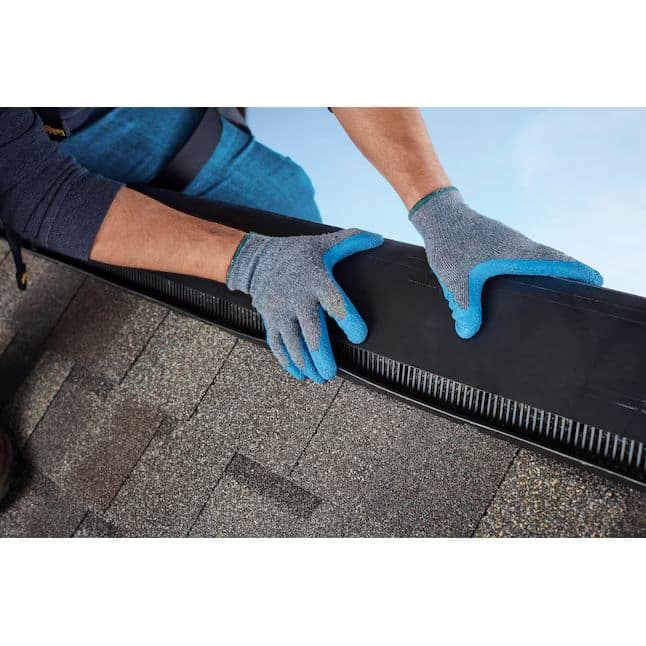
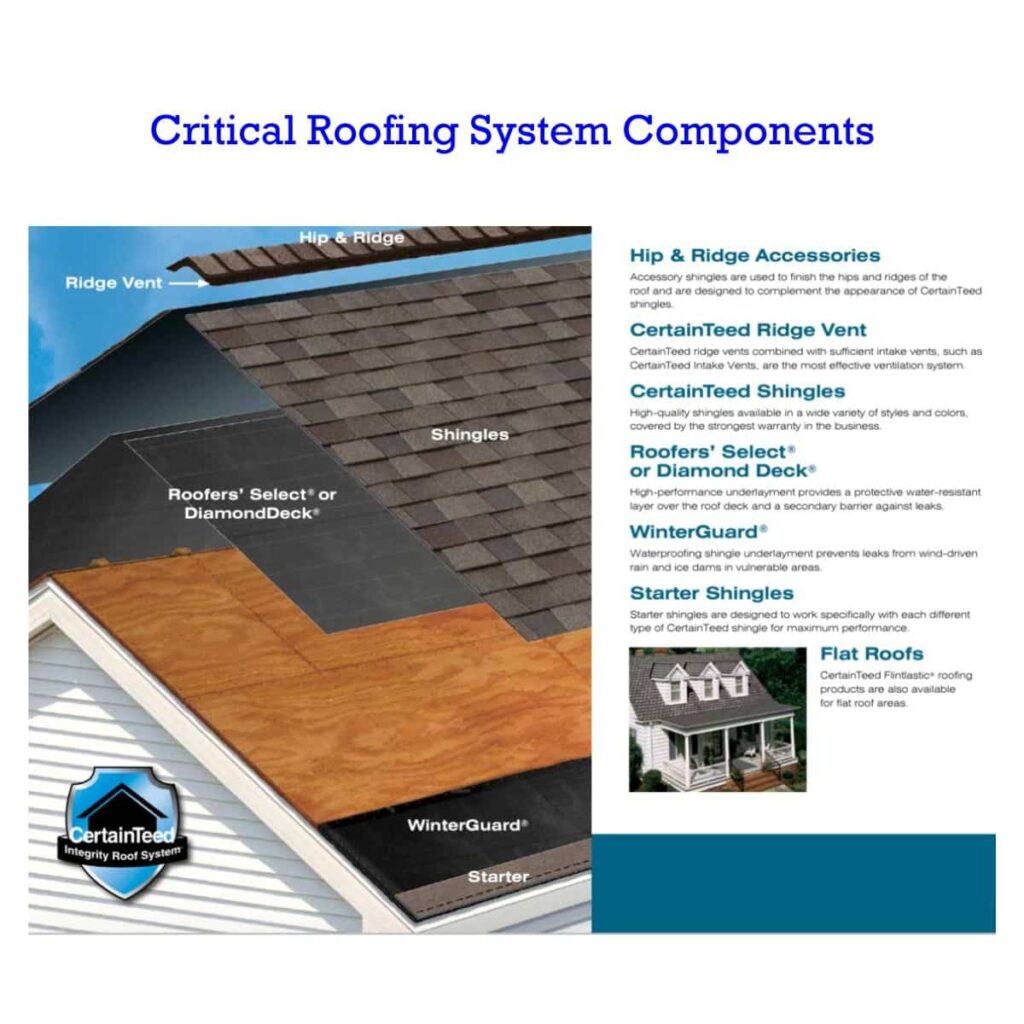
For coastal homes in Rhode Island near Narragansett Bay, ridge vents deliver continuous passive exhaust ventilation along the full length of the roof peak. The marine environment demands ventilation components that maintain performance despite salt exposure, high humidity, and the powerful storms that sweep through Rhode Island’s coastal communities.
Ridge vent installation provides Rhode Island homes near Narragansett Bay with the most uniform exhaust distribution available in residential ventilation. Unlike point-source exhaust like box vents or fans that create localized airflow, ridge vents draw air equally from the entire attic space along the full ridge length. An opening cut along the roof peak allows warm air to exit naturally, while an engineered profile with integrated baffles prevents weather infiltration. Marine-rated ridge vent profiles with enhanced weather baffles resist the wind-driven rain coastal storms deliver, which is critical where standard profiles would allow water infiltration. Each installation begins with calculating the net free area your attic requires and verifying that ridge length provides adequate exhaust to balance intake ventilation across your Rhode Island property.
Soffit Vents installation provides Rhode Island homes near Narragansett Bay with essential intake ventilation through the eave overhang that feeds the entire attic airflow system. Coastal properties benefit from enhanced airflow management that combats salt-air moisture infiltration and the humidity levels that accelerate roof deterioration along Rhode Island’s shoreline.
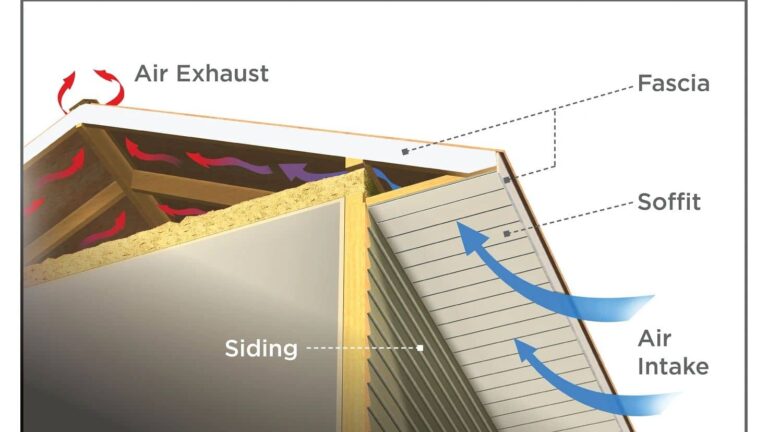
Soffit vents installed on historic homes in Rhode Island near Block Island serve as the air intake engine that powers the entire attic ventilation circuit. Fresh outside air enters through perforated panels in the soffit overhang, flows through channels maintained by insulation baffles, spreads across the attic cavity, absorbs heat and moisture from surrounding surfaces, and exits through exhaust vents above. The process is continuous and self-sustaining as long as intake and exhaust remain balanced and unobstructed. Coastal homes face the additional challenge of salt-laden air entering through intake vents, requiring corrosion-resistant materials that maintain open airflow despite marine exposure and salt crystallization. Pinnacle installs soffit vents with attention to the details that determine long-term performance for every Rhode Island property we service.
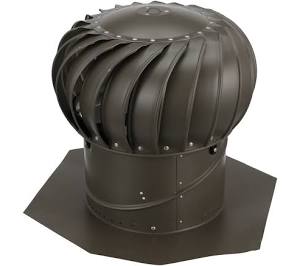
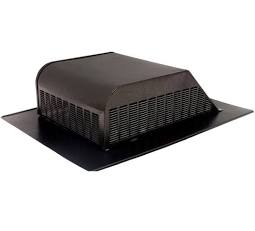
Roof Vents (Box Vents and Turbine Vents) installation provides Rhode Island homes near Narragansett Bay with targeted exhaust ventilation at specific points across the roof surface for localized heat and moisture removal. Coastal properties benefit from enhanced airflow management that combats salt-air moisture infiltration and the humidity levels that accelerate roof deterioration along Rhode Island’s shoreline.
For capes in Rhode Island near Narragansett Bay, box vents and turbine vents serve important roles in comprehensive ventilation systems. Box vents function as passive exhaust points, open channels protected by weather caps that allow heated attic air to rise and exit naturally. They are most effective when positioned in the upper third of the roof slope where hot air accumulates. Turbine vents add wind-powered rotation that creates suction extracting air from the attic, with exhaust increasing as wind speed rises. Coastal wind patterns make turbine vents particularly effective, as consistent breezes power continuous exhaust that keeps salt-moistened attic air moving throughout the day. Pinnacle calculates the number and spacing of each vent type to match your Rhode Island home’s specific exhaust requirements and roof configuration.
Rhode Island’s ventilation strategy depends on local climate, roofline, and moisture challenges.
Coastal areas benefit most from ridge vents with soffit intake—maximizing passive efficiency against salt-spray exposure. Urban neighborhoods like Providence may need supplemental exhaust fans for heat management. Rural western RI properties often succeed with simple ridge-and-soffit combinations. We assess each property’s specific conditions before recommending the optimal system.
Pinnacle Roofing & Skylights installs ventilation products from industry-leading manufacturers who engineer components for demanding environments. For Rhode Island homes near Narragansett Bay, we specify QuietCool whole-house fans that deliver exceptional airflow at whisper-quiet noise levels, reducing cooling costs while providing natural ventilation that replaces stale indoor air. Our ridge vent selections include Lomanco and Air Vent products with built-in baffles that prevent wind-driven rain infiltration—critical for coastal properties. Solar-powered exhaust fans from Remington Solar provide active attic ventilation without ongoing electrical costs, using panels rated for salt-air environments. Each manufacturer we partner with meets our standards for durability, performance, and warranty coverage, ensuring Rhode Island homeowners receive ventilation components that deliver long-term value in the coastal Rhode Island climate.
Your Rhode Island ventilation system creates complete air exchange from intake to exhaust.
Soffit vents supply fresh outside air; ridge vents or roof fans expel warm, humid air. Whole-house fans accelerate this cycle during shoulder seasons. Vented drip edge prevents weather intrusion at vulnerable roof edges. When coordinated, this system reduces cooling loads and prevents moisture damage across all Rhode Island regions.
We inspect your attic for existing moisture, examine roof anatomy, and evaluate local climate factors. Then we design a ventilation layout maximizing passive airflow while sealing against local weather patterns. Installation includes proper spacing, sealed penetrations, and airflow verification across the entire system.
Homes in Rhode Island face distinct ventilation challenges shaped by salt air exposure, coastal humidity, and seasonal storms that batter properties near Rhode Island coastline. Without proper attic ventilation, moisture accumulates in roof decking and insulation, leading to premature deterioration that shortens the life of roofing materials and structural components throughout the home.
The most common ventilation problem in Rhode Island colonials near Rhode Island coastline is imbalance between intake and exhaust capacity. When exhaust exceeds intake, the attic develops negative pressure that pulls conditioned air from the living space through ceiling penetrations—increasing energy costs without improving ventilation effectiveness. When intake exceeds exhaust, fresh air enters at the eave but has nowhere to exit efficiently, creating dead zones where heat and moisture accumulate. Coastal wind patterns can amplify these imbalances by driving air through one side of the attic and starving the other. Beyond imbalance, common problems include blocked soffit vents, deteriorated exhaust components, and insulation covering intake pathways. Pinnacle diagnoses the specific failures affecting your Rhode Island home and designs corrections that restore proper airflow circulation.
Rhode Island ventilation components typically last 20-30 years with proper installation.
Each ventilation component on your Rhode Island home near Block Island has a predictable service life that professional installation and maintenance can maximize. Ridge vents are the most durable exhaust component, serving 20 to 30 years because they have no mechanical parts to wear out. Their performance depends on baffle integrity and seal condition rather than mechanical function. Soffit vents and vented drip edge similarly last decades when installed with proper materials—salt-rated for coastal environments. Electric exhaust fans work harder and wear faster, with motors typically requiring replacement within 10 to 15 years. Solar exhaust fans extend this timeline by reducing mechanical complexity and eliminating electrical connections that can corrode. QuietCool whole-house fans deliver 15 to 20 years of service when maintained according to manufacturer specifications. Pinnacle tracks the age and condition of every component installed on Rhode Island waterfront properties, recommending replacement before failing parts compromise the ventilation system’s ability to protect your roof.
Replace Rhode Island ventilation when moisture, visible rot, or system failure appears.
Several warning signs tell Rhode Island homeowners near Rhode Island coastline that ventilation components need replacement rather than repair. Attic inspections revealing widespread condensation, mold on sheathing, or darkened wood rafters indicate ventilation has been inadequate for an extended period. Visible daylight through ridge vent caps suggests baffle failure that compromises weather protection. Exhaust fans producing more noise than airflow have reached end of life. Salt-corroded fasteners and brackets weaken mounting integrity. Energy bills rising without other explanation often point to ventilation decline forcing HVAC systems to compensate. Pinnacle’s assessment of your Rhode Island property identifies not just what needs replacement, but the priority order that delivers the most value—addressing the components causing the greatest performance loss first while planning for future upgrades.
Pinnacle Roofing & Skylights serves all Rhode Island regions with statewide expertise.
We combine local Rhode Island knowledge with manufacturer certifications and proven expertise. As a CertainTeed ShingleMaster PREMIER and authorized QuietCool dealer, we deliver professional solutions backed by factory warranties. Our A+ BBB rating, NRCA/RIBA membership, and RI registrations (Residential #39446, Commercial #261) demonstrate commitment to professional standards. We’ve completed hundreds of successful ventilation projects in Rhode Island and throughout Rhode Island.
Rhode Island ventilation pricing reflects regional variations and installation accessibility.
Ventilation costs for Rhode Island homes vary based on system complexity, roof configuration, and the specific coastal conditions affecting your property near Narragansett Bay. Factors include the number of intake and exhaust points needed, whether whole-house fan installation is included, the condition of existing soffit and ridge structures, and any salt-air-rated component upgrades required for coastal durability. Pinnacle provides detailed written estimates after a thorough on-site inspection, breaking down material and labor costs so you understand exactly what your ventilation investment covers. We also offer financing options through Synchrony Financial to make ventilation improvements accessible for Rhode Island homeowners.
Storm-Damaged Roofs Require Fast Action
When you find storm damage on your roof in Rhode Island, swift action can be crucial. Contacting trusted roofing professionals like us for a thorough inspection. Our expert team will assess the damage and determine if roof repairs or roof replacement is recommended. With New England’s predictably unpredictable weather, it is important repairs happen quickly to prevent further loss.