nn
Skip to content
When wind and storm damage hits a home, it rarely stops at the roof — the same weather that tears
Like most Pinnacle projects, the work was completed efficiently — minimizing disruption for the property owner. Pinnacle makes every project
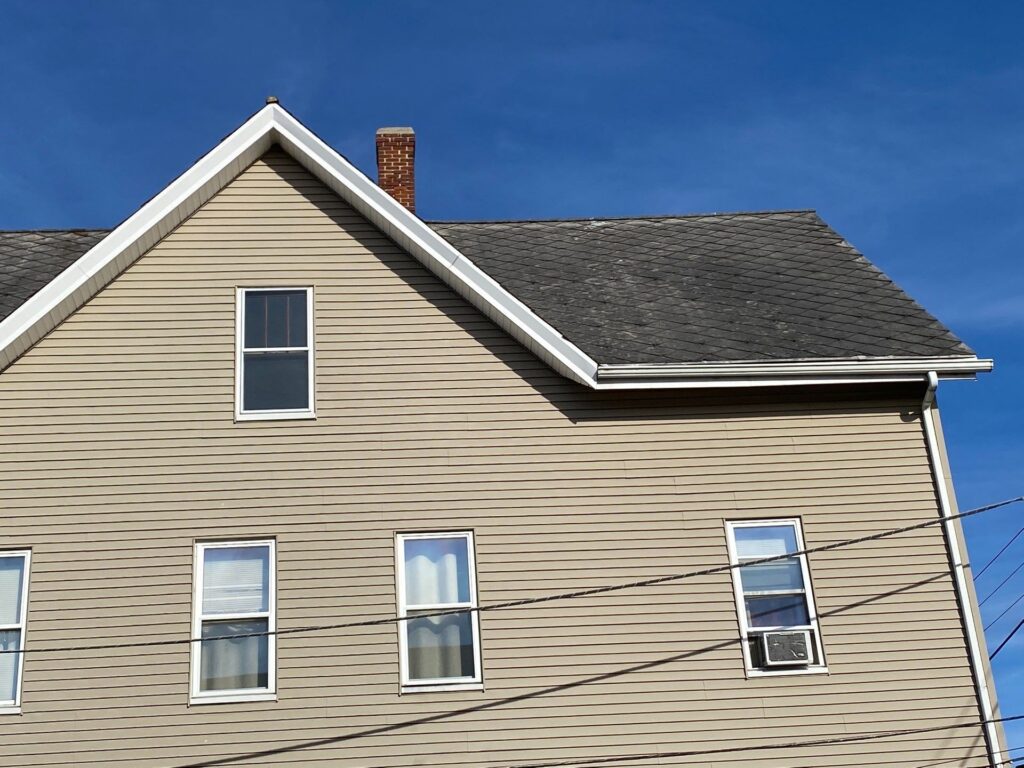
Working in Central Falls means managing logistics that suburban projects do not involve. We plan scaffolding placement, coordinate with neighbors on shared driveways, and handle multi-unit permit requirements when applicable. Our inspection process checks for structural conditions common in Central Falls’s older Triple-deckers — deteriorated sheathing, missing vapor barriers, and inadequate flashing around original windows. Winter conditions (ice dams, snow) amplify every gap in an older building’s envelope, so we address underlying issues before new siding goes on. Properties in Central Falls within reach of nearby areas contend with marine conditions that test every exterior surface relentlessly.

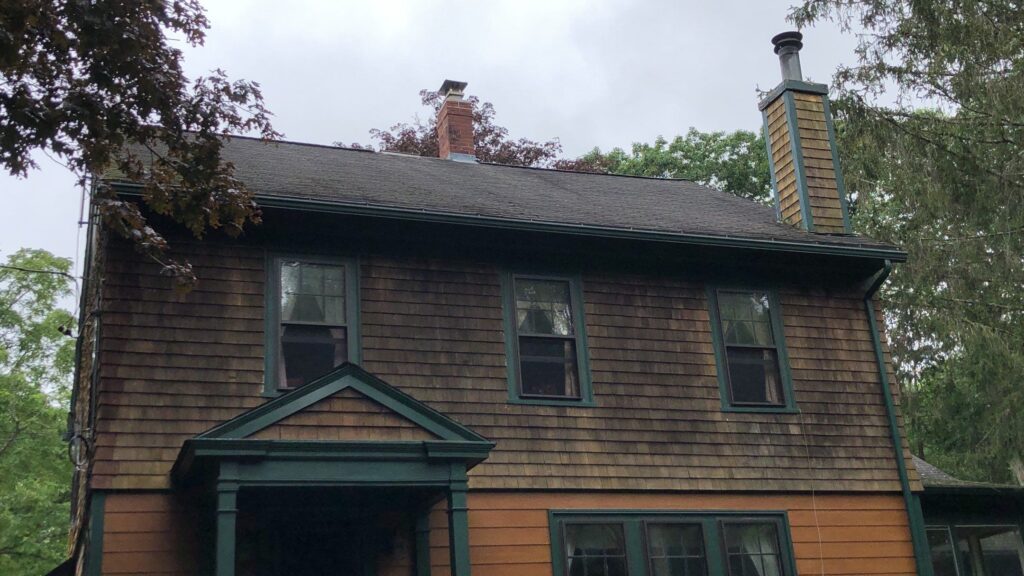
For Central Falls homes where character and craftsmanship matter, cedar shingle siding delivers an authentic look that increases curb appeal and reflects traditional New England architecture. Cedar shingles are especially well suited to Three-family homes found throughout Central Falls, maintaining the classic New England character homeowners value.
Cedar shingle installation starts with the ventilation layer — 1-inch furring strips installed over the weather-resistant barrier to create an air gap behind the shingles. This drainage plane is what separates a professional cedar installation from one that traps moisture and fails prematurely. Each shingle is hand-placed with 4-6 inches of exposure, fastened with stainless steel nails that will not corrode and stain the wood. We never caulk between shingles — cedar needs room to expand and contract with humidity changes. In Central Falls, Coastal wind makes this movement especially important. The result is a wall system that sheds water on the surface, drains any penetration behind the cladding, and allows the wall assembly to dry in both directions. Three-family homes along Central Falls (smallest city in Rhode Island) in Central Falls experience ocean-driven moisture that demands siding systems engineered for coastal performance.
Fiber cement siding is increasingly popular on Central Falls’s older homes because it resists the moisture, temperature swings, and close-proximity conditions that challenge other materials in dense neighborhoods. In Central Falls, fiber cement siding stands up to coastal wind better than many alternatives, making it a smart investment for Three-family homes.
Fiber cement’s durability makes it a strong choice for Central Falls’s older housing stock. James Hardie products resist the moisture that causes wood rot in close-proximity buildings where airflow between structures is limited. We install fiber cement over weather-resistant barriers with proper drainage planes, addressing the moisture management gaps common in Central Falls’s older construction. The material holds paint for 15+ years with factory ColorPlus finish, reducing long-term maintenance costs — especially important for multi-unit properties where exterior upkeep affects multiple households. New England weather and storms test every joint and flashing detail, and fiber cement’s rigid composition handles these stresses better than vinyl or wood. For Central Falls homes near Central Falls (smallest city in Rhode Island), salt-air exposure from nearby areas adds urgency to siding decisions that directly affect long-term durability.
Composite siding from manufacturers like Everlast and CertainTeed Cedar Impressions gives Central Falls homeowners a low-maintenance alternative that replicates the texture and appearance of wood without the upkeep. For Three-family homes in Central Falls, composite siding delivers exceptional longevity with virtually zero maintenance requirements.
Composite siding products combine durability with realistic appearance. Everlast panels are made from inorganic materials that will not absorb moisture, rot, or support mold growth. Coastal conditions near nearby areas in Central Falls mean siding must resist salt spray, high humidity, and wind-driven rain that inland homes never face. CertainTeed Cedar Impressions are polymer panels molded from actual cedar shingles, capturing the grain detail and shadow lines of real wood. Both products come with color throughout — not surface paint — so they maintain their appearance without repainting. Installation follows standard siding practices with weather-resistant barriers, proper flashing, and manufacturer-specified trim. The materials handle New England weather and storms without warping, cracking, or fading.
Vinyl siding is the most common exterior material on Central Falls’s residential homes, and for good reason — it’s affordable, requires minimal maintenance, and comes in profiles that complement the area’s architecture. Vinyl remains the most affordable siding option for Central Falls homeowners, and modern vinyl performs far better than older generations.
Vinyl siding on Central Falls homes is installed over weather-resistant barriers with proper flashing at every window, door, and penetration. We specify .044-inch or thicker panels for durability — thinner vinyl saves money upfront but dents and cracks more easily, especially on Mixed-use buildings close to sidewalks and driveways where impacts are more likely. Expansion gaps at joints and accessories allow the vinyl to move with temperature changes; without these gaps, hot summer days cause buckling and wavy walls. New England weather and storms means significant expansion and contraction throughout the year. We secure every panel to the wall structure — never to foam insulation alone — and overlap joints away from prevailing wind direction. Three-family homes along Central Falls (smallest city in Rhode Island) in Central Falls experience ocean-driven moisture that demands siding systems engineered for coastal performance.
CertainTeed Cedar Impressions polymer shake siding gives Central Falls homes the timeless look of real cedar with none of the rot, cracking, or insect damage that wood eventually suffers. For properties near Blackstone River, this siding option provides lasting curb appeal designed to handle coastal weather conditions without constant maintenance.
CertainTeed Cedar Impressions panels are manufactured from high-quality polymer and molded directly from real cedar shingles using TrueTexture technology, which means every panel captures the grain patterns, knots, and character of natural wood. For Central Falls homes near Blackstone River, this translates to an exterior that looks like traditional cedar shake without the ongoing maintenance that real wood demands. The product line includes three distinct profiles: Straight Edge Perfection shingles for a clean, classic appearance, Staggered Rough-Split Shakes for rustic character, and Half-Round Scallops for architectural accent work. Each profile comes in a wide range of colors including natural wood tones and coastal-inspired shades, all protected by CertainTeed’s patented color-blend technology that resists fading. The panels feature a double-thick nailing hem with reinforced nail slots and a Molded Perimeter Lock system that provides wind resistance rated up to 110 mph — an important consideration for Central Falls homes that face Winter conditions (ice dams, snow). Because the polymer material does not absorb moisture, Cedar Impressions siding resists the freeze-thaw cycling that causes real cedar to crack and split through Rhode Island winters. Maintenance is minimal — occasional cleaning with a garden hose is all that is needed to keep the siding looking new.
For Central Falls homeowners, the siding decision often comes down to durability versus upfront cost. In older neighborhoods where buildings are close together and access is limited, material longevity and low maintenance carry extra weight. For Central Falls properties exposed to coastal wind, this matters more than many homeowners realize when planning a siding project.
Vinyl offers the lowest cost and fastest installation — important for multi-unit properties in Central Falls. Fiber cement provides superior durability and fire resistance, valuable in closely spaced buildings. Composite materials deliver maintenance-free longevity at a mid-to-upper price point. Cedar is beautiful but the maintenance demands make it impractical for many Central Falls properties, especially rentals and multi-family buildings. For most Central Falls homeowners, the choice comes down to vinyl (best value) versus fiber cement or composite (best long-term performance). For Central Falls homes near Central Falls (smallest city in Rhode Island), salt-air exposure from nearby areas adds urgency to siding decisions that directly affect long-term durability.
James Hardie is the leading fiber cement manufacturer, and their products are engineered specifically for different climate zones — HZ5 for freeze-thaw regions like Rhode Island. CertainTeed offers both vinyl and composite (Cedar Impressions) products with strong color and texture options. Everlast composite siding uses zero wood content for complete moisture immunity. For Central Falls’s older buildings, we follow manufacturer specifications for retrofit applications that account for existing wall conditions. In Central Falls, salt air from nearby areas accelerates exterior deterioration, making proper material selection and installation techniques critical for coastal properties.
The siding you see is only one layer of a multi-component wall assembly. What’s behind it — the drainage plane, air gap, and weather barrier — determines how well your Central Falls home stays protected. Homes near nearby areas in Central Falls face coastal wind that makes this especially important for long-term exterior protection.
Our standard wall assembly starts with the structural sheathing and applies a weather-resistant barrier — either house wrap or a self-adhering membrane depending on the home’s exposure level. Over this barrier, we install furring strips that create a continuous air gap. The siding cladding then fastens to these furring strips, separated from the wall by the drainage cavity. This cavity serves three functions: it allows bulk water to drain downward and out; it provides airflow that dries moisture from both the back of the siding and the face of the barrier; and it equalizes pressure differences that otherwise drive rain through siding joints. For Central Falls homes dealing with Coastal wind, this system provides a level of protection that face-sealed siding installations simply cannot match. Coastal conditions near nearby areas in Central Falls mean siding must resist salt spray, high humidity, and wind-driven rain that inland homes never face.
We begin with a site assessment that evaluates both your home’s siding condition and the logistics of working on your Central Falls property — access points, scaffolding needs, neighboring structures, and permit requirements. After presenting material options and a detailed scope, we schedule the project with appropriate lead time for material ordering and any permit processing. On the first day, scaffolding goes up and tear-off begins. We remove all existing siding, inspect the wall structure, make structural repairs, and install the weather barrier and drainage system before new siding goes on. Our crews manage debris with care — especially important in Central Falls’s closer-proximity neighborhoods. Daily cleanup is standard. We do a final walkthrough to review every detail. Properties in Central Falls within reach of nearby areas contend with marine conditions that test every exterior surface relentlessly.
The older housing stock in Central Falls comes with siding issues that stem from original construction methods, previous renovations, and decades of exposure without modern moisture management. Homes near nearby areas in Central Falls face coastal wind that makes this especially important for long-term exterior protection.
Siding installed over existing siding is one of the most common problems we find in Central Falls. Previous contractors layered new vinyl over old wood clapboard or asbestos siding without removing it, creating a moisture trap between the layers. Rotted sheathing and framing result from decades of water getting behind the siding with no drainage plane to manage it. Inadequate flashing — particularly at windows and where roofs meet walls — lets water into the wall cavity. On Mixed-use buildings, we often find that upper floors had siding replaced while lower floors were left, creating mismatched systems with gaps at the transitions. Coastal conditions near nearby areas in Central Falls mean siding must resist salt spray, high humidity, and wind-driven rain that inland homes never face.
How long your siding lasts depends on the material, installation quality, and how well the wall system behind it manages moisture. Here’s what Central Falls homeowners can realistically expect. Properties throughout Central Falls face coastal wind, which makes understanding this section essential for making informed siding decisions.
Cedar shingle siding: 20-40+ years with regular staining and maintenance. Beautiful and traditional, but requires attention every 5-7 years. Coastal conditions near nearby areas in Central Falls mean siding must resist salt spray, high humidity, and wind-driven rain that inland homes never face. Fiber cement (James Hardie): 30-50+ years — one of the most durable options available. Factory ColorPlus finish holds color for 15+ years, and the material itself is nearly immune to rot, insects, and fire. Composite (Everlast, CertainTeed Cedar Impressions): 30-50+ years with no painting, staining, or maintenance beyond cleaning. Color is integral to the material. Vinyl siding: 20-40 years depending on thickness and quality. Modern vinyl is more UV-resistant than older products, though color fading eventually occurs on south-facing walls.
Many Central Falls homeowners live with siding that has been failing slowly for years. By the time problems become visible from the street, the underlying damage is often significant. In Central Falls, where Three-family homes are common near Mill buildings (historic references), this directly affects how siding performs over its lifespan.
Signs your Central Falls home needs siding replacement: bubbling or peeling paint on wood siding, warped or buckled vinyl panels, siding that has been installed over existing siding (double or triple layers), visible mold or mildew that returns after cleaning, soft spots when pressing on the wall, water staining on interior walls, increasing heating or cooling costs, and visible gaps at joints or around windows. For older Multifamily homes in Central Falls, we often find that what appears to be a repair-level problem is actually systemic — the underlying wall assembly needs complete rehabilitation. Coastal conditions near nearby areas in Central Falls mean siding must resist salt spray, high humidity, and wind-driven rain that inland homes never face.
Working in Central Falls requires more than technical skill — it requires experience managing the logistics, structural challenges, and coordination that urban siding projects demand. That’s what we bring. For Central Falls properties exposed to coastal wind, this matters more than many homeowners realize when planning a siding project.
Pinnacle Roofing & Skylights (RI Reg #39446) brings the experience and logistics management that Central Falls siding projects require. We handle scaffolding, neighbor coordination, permit processing, and the structural surprises that come with working on older buildings. Our manufacturer certifications (James Hardie, CertainTeed, and others) mean your installation meets the specifications for full warranty coverage. We carry complete insurance coverage and maintain clean, organized job sites — critical when working in Central Falls’s closer-proximity neighborhoods. Three-family homes along Central Falls (smallest city in Rhode Island) in Central Falls experience ocean-driven moisture that demands siding systems engineered for coastal performance.
Siding costs in Central Falls are affected by access challenges, scaffolding requirements, and the structural work that older buildings often need before new siding can go on. These factors make accurate project-specific estimates essential. Central Falls homeowners near Mill buildings (historic references) benefit from this knowledge because coastal wind creates specific demands on exterior cladding.
Siding costs for Central Falls homes vary significantly based on building type, height, and access. A single-family home (1,500-2,500 sq ft siding area) typically ranges from $7,000-$14,000 for vinyl, $14,000-$28,000 for fiber cement, $12,000-$25,000 for composite, and $16,000-$30,000 for cedar. Multi-family buildings cost proportionally more due to additional square footage and scaffolding requirements. These ranges include tear-off, structural repair, weather barrier, and cleanup. Financing options are available at financing options. For Central Falls homes near Central Falls (smallest city in Rhode Island), salt-air exposure from nearby areas adds urgency to siding decisions that directly affect long-term durability.
Storm-Damaged Roofs Require Fast Action
When you find storm damage on your roof in Rhode Island, swift action can be crucial. Contacting trusted roofing professionals like us for a thorough inspection. Our expert team will assess the damage and determine if roof repairs or roof replacement is recommended. With New England’s predictably unpredictable weather, it is important repairs happen quickly to prevent further loss.