Helping Glocester Property Owners Recover from Storm Damage
When a storm tears through Glocester, the first concern for most property owners is the roof overhead. Pinnacle Roofing & Skylights responds quickly with damage assessments, temporary protection, and permanent restoration services for Glocester homes and commercial buildings.
Pinnacle Roofing & Skylights is a Rhode Island roofing company serving Glocester, RI with storm damage restoration, emergency repairs, and full roof replacement after severe weather. Licensed with residential registration 39446 and commercial registration 261, we bring the experience and resources needed to restore your roof properly.
Storm Damage Restoration Projects in Glocester, RI
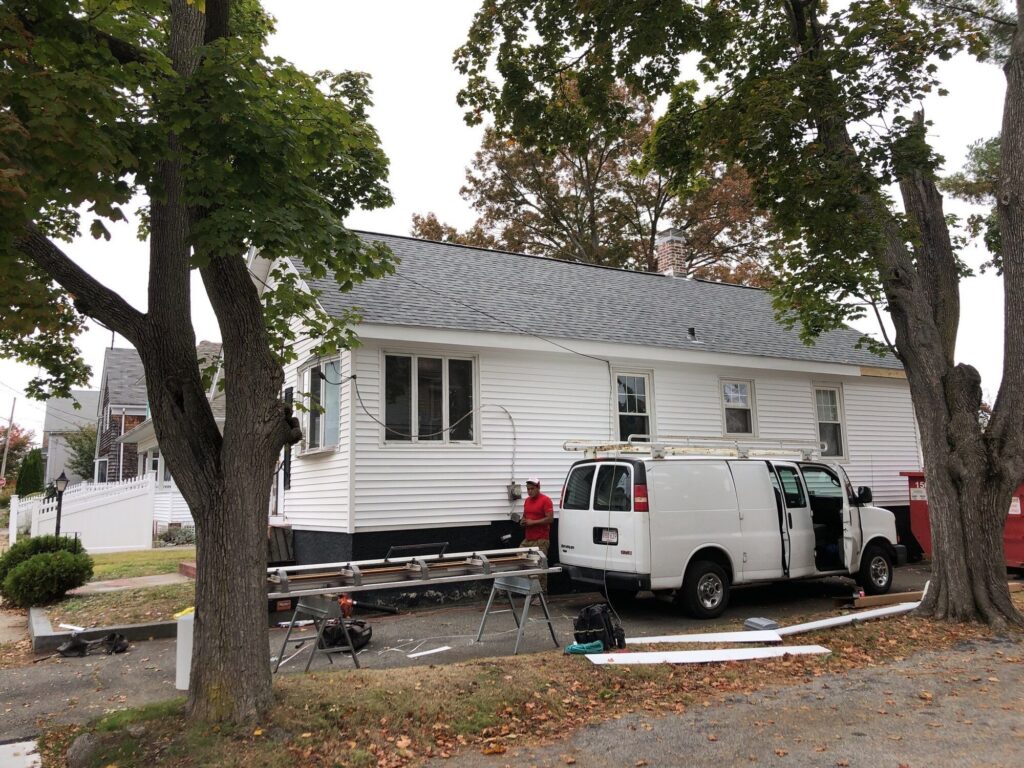
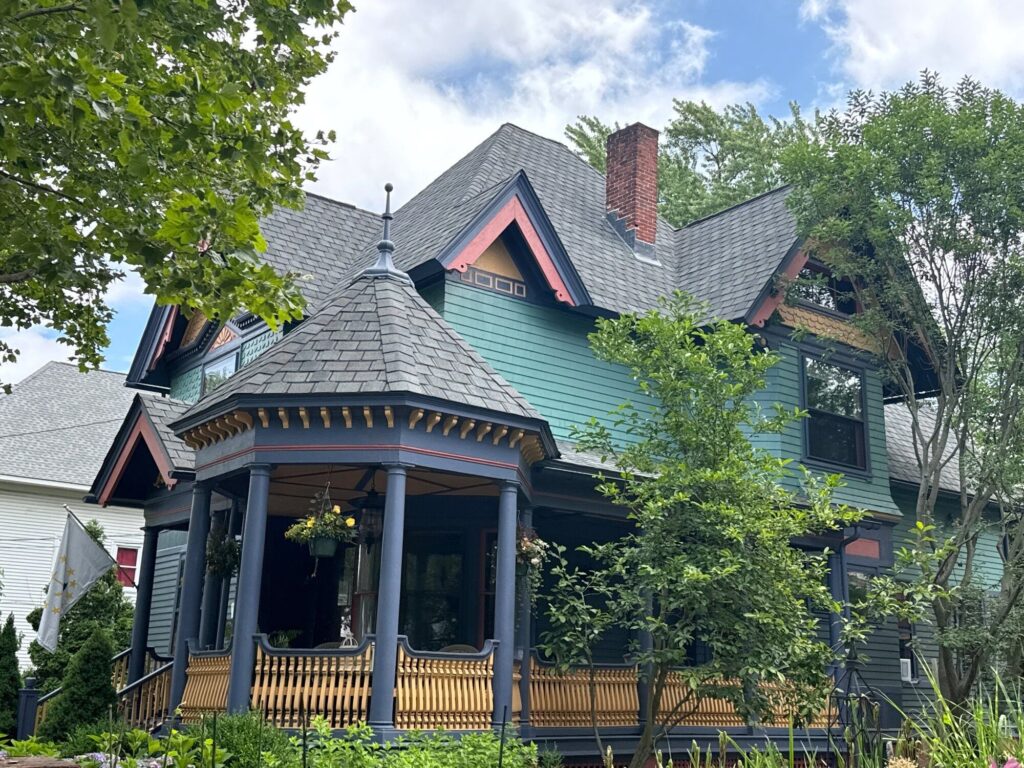
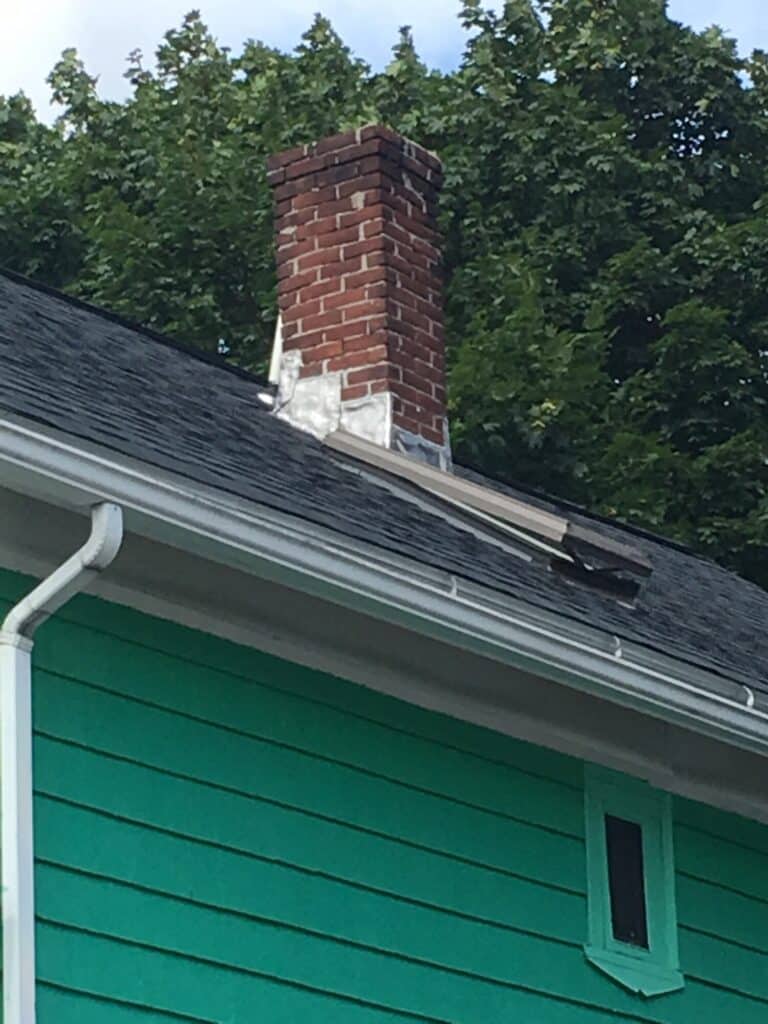
Storm damage projects in Glocester, RI range from localized wind repairs to full re-roofing after major weather events. Our gallery shows the quality and scope of work Pinnacle delivers.
After storms hit Glocester, RI, we follow a proven restoration approach: assess, document, plan, and execute. Every step is designed to get your roof back to full protection quickly and correctly.
The goal of every storm restoration in Glocester, RI is a roof that performs as well or better than it did before the damage occurred, backed by manufacturer warranties and Pinnacle’s workmanship guarantee.
Pinnacle’s approach to storm damage in Glocester combines urgency with precision. If the roof is actively leaking or exposed, we provide emergency tarping to prevent further damage before the full inspection takes place. Once the roof is temporarily protected, we conduct a detailed assessment of every component. The inspection covers shingle condition, flashing integrity, vent and pipe boot seals, gutter and downspout function, soffit and fascia condition, and the structural soundness of the roof deck. Properties near Chepachet Village commercial center that have endured heavy snow loads, dense tree canopy debris, and severe winter conditions often show damage in unexpected places, and our inspectors are trained to find it. The resulting report supports your insurance claim and guides our restoration plan. You receive a written estimate that breaks down every cost before work starts.
Glocester's Local, Trusted Roofing & Skylight Company
Storm Damage Work in Glocester, RI
Homes and Buildings in Glocester, RI
The building stock in Glocester ranges from small retail, restaurants, and rural service businesses, and each type of structure presents different vulnerabilities to heavy snow loads, dense tree canopy debris, and severe winter conditions. The historic village center of Chepachet along Putnam Pike Pinnacle evaluates every property on its own merits after a storm, recommending the most practical and cost-effective restoration approach for each situation.
Storm Damage Restoration Across Rhode Island
Rhode Island’s geography puts every community in the path of storms that roll in from the coast and move through the interior. Pinnacle Roofing & Skylights provides the same professional storm restoration services in Glocester that we deliver across every Rhode Island town and city.
Pinnacle provides storm damage restoration services in Glocester and surrounding communities throughout Rhode Island.
Types of Storm Damage We Restore in Glocester, RI
Storm damage can affect any type of roofing system. Here are the main categories of storm restoration work Pinnacle provides for Glocester, RI properties.
Storm Damage Signs to Look For in Glocester, RI
Glocester homes near wooded areas should be inspected carefully after storms for branch impact marks and debris damage.
The most common signs of storm damage on Glocester roofs include missing or displaced shingles, granule accumulation in gutters and downspouts, cracked or bent flashing around chimneys and vents, dented or detached ridge caps, and visible daylight through the attic roof boards. Wind damage often starts at edges and works inward — check eaves, rakes, and ridge lines first. Hail leaves circular dents on metal components and bruises on shingle surfaces that accelerate aging. If you notice any of these signs after a storm in Glocester, contact Pinnacle for a professional inspection and documentation for insurance purposes.
Pinnacle helps Glocester homeowners identify and document storm damage before it leads to more expensive interior problems.
Hidden Storm Damage in Glocester, RI
Rural homes in Glocester may have hidden storm damage that doesn’t show symptoms until the next heavy rain or freeze-thaw cycle.
Hidden storm damage in Glocester takes many forms: granule bruising from hail that accelerates shingle aging, bent nail heads from wind uplift that compromise the water barrier, micro-tears in underlayment from deck flexing during gusts, and sealant failures at flashing transitions. These issues don’t cause immediate leaks but steadily weaken the roof system until the next storm or heavy rain triggers visible water intrusion. Pinnacle’s thorough inspection process catches hidden damage early, protecting Glocester homeowners from escalating repair costs.
Hidden storm damage in Glocester is the most expensive kind to ignore — Pinnacle’s inspection catches what ground-level checks miss.
Wind Damage Roof Restoration in Glocester, RI
Open exposure on rural Glocester properties means roofs bear the full force of storm winds without shelter from surrounding structures.
Wind damage restoration for Glocester roofs requires understanding how wind interacts with the specific roof design. Steep slopes, hip roofs, and homes with dormers each have different wind vulnerability patterns. Pinnacle’s crews assess damage from the perspective of airflow — checking not just where shingles are missing, but where adhesive bonds have broken, where underlayment has been exposed, and where the deck itself may have flexed under sustained gusts. We restore every affected area to full performance, using starter strips, high-wind-rated shingles, and reinforced flashing where conditions warrant.
After wind events in Glocester, Pinnacle restores roofs completely — replacing damaged materials and reinforcing vulnerable areas against future storms.
Tree Impact & Fallen Debris Restoration in Glocester, RI
Heavily wooded properties in Glocester face the highest risk of tree impact damage during storms — falling limbs and entire trees can cause catastrophic roof damage.
When a tree strikes a Glocester roof, the damage usually extends well beyond the visible impact zone. Pinnacle’s restoration process begins with safe debris removal, followed by a structural assessment of the roof framing. We check for cracked rafters, split trusses, and compressed decking. Structural repairs are made using properly sized lumber that meets or exceeds the original framing specifications. New decking, underlayment, and roofing materials are installed to seamlessly integrate with the undamaged portions of the roof. The goal is a restoration that’s indistinguishable from the original.
Professional tree impact restoration in Glocester addresses structural damage, surface repairs, and insurance documentation in one coordinated project.
Ice Dam Damage Prevention & Repair in Glocester, RI
Heavy snow loads on rural Glocester properties combined with poor attic ventilation create ideal conditions for ice dam formation.
Ice dams in Glocester develop when warm attic air melts the snow layer on the roof. Meltwater runs to the colder eaves, refreezes, and creates an ice ridge that traps water behind it. This water backs under shingles and soaks through to the interior. Pinnacle repairs ice dam damage by replacing affected decking and underlayment, installing ice and water shield for waterproof protection, and rebuilding the shingle surface. We also address the root cause — upgrading attic insulation to recommended R-values, clearing blocked soffit vents, and ensuring adequate ridge ventilation — so the problem doesn’t return next winter.
Complete ice dam repair in Glocester includes damage restoration, ice shield installation, and ventilation improvements to prevent recurrence.
Comparing Storm Restoration Options in Glocester, RI
The decision between targeted repair, partial restoration, and full replacement after a storm in Glocester, RI comes down to damage extent, roof age, and cost-effectiveness.
Cost comparison for storm restoration in Glocester: targeted repairs typically cost less upfront but may not address hidden damage that surfaces later. Partial restoration covers larger damaged areas and provides more comprehensive protection. Full replacement costs more initially but delivers a complete new system with full manufacturer warranties and decades of protection. Insurance coverage often determines which option makes the most financial sense, and Pinnacle helps property owners maximize their claim coverage.
Repair, restore, or replace – Pinnacle lays out the options for storm-damaged roofs in Glocester, RI with transparency and practical recommendations.
Roofing Manufacturers for Storm Recovery in Glocester, RI
The choice of manufacturer for a storm restoration project in Glocester depends on what is already installed and what best serves the property going forward. Matching existing shingles for partial repairs often requires specific manufacturer and product line identification. For full replacements, Pinnacle recommends upgrading to current product lines from CertainTeed, Owens Corning, or GAF. Flat roof work uses Elevate and MuleHide. Metal components come from Firestone Una-Clad.
Every storm restoration material Pinnacle installs in Glocester, RI is backed by the manufacturer’s warranty program and installed to their published specifications.
Roof System Components Affected by Storm Damage in Glocester, RI
The roofing systems on Glocester, RI properties include layers that work together to keep weather out. Storm damage can break that chain at multiple points.
Storm damage in Glocester often creates a chain of failures through the roofing system. Wind lifts shingles, exposing underlayment to UV and water. Water penetrates through compromised underlayment and reaches the deck. A saturated deck loses structural integrity and can sag or rot. Meanwhile, blown-off ridge caps disrupt ventilation, clogged gutters from debris cause ice damming in winter, and displaced flashings create water entry points at every transition. Pinnacle’s inspection covers every layer because repairing only the surface while ignoring underlying damage leads to repeat failures.
Comprehensive storm restoration in Glocester, RI means treating the roof as a complete system, and Pinnacle’s inspections cover every component from ridge to foundation wall.
Storm Damage Restoration Process in Glocester, RI
From the first phone call through the final inspection, Pinnacle’s storm damage process in Glocester, RI is structured to protect your interests.
Step one: call Pinnacle after storm damage in Glocester. Step two: we inspect the entire roof and document all damage. Step three: you receive a written estimate with material specifications and costs. Step four: insurance coordination if applicable. Step five: permit procurement and scheduling. Permits are obtained through the local building department ((401) 568-6206). Step six: professional installation by experienced crews. Step seven: final inspection and walkthrough. Step eight: warranty documentation and project closeout. Every step is communicated clearly so there are never surprises.
Every storm restoration project in Glocester, RI follows Pinnacle’s proven process, ensuring nothing is missed and every detail is handled professionally.
Common Storm Damage Problems in Glocester, RI
The heavy snow loads, dense tree canopy debris, and severe winter conditions common in Glocester, RI creates specific damage patterns that Pinnacle’s inspection teams know to look for.
The most frequent storm damage problems Pinnacle encounters in Glocester include missing shingles from wind, cracked or dented shingles from hail, displaced step and counter flashings, broken pipe boots and vent caps, dented or detached gutters, damaged ridge caps and hip shingles, punctured roof decking from fallen branches, and compromised underlayment at penetration points. Each of these issues can lead to water entry if not addressed. Some, like granule loss from hail, may not cause immediate leaking but significantly reduce the remaining service life of the roof.
From wind-lifted shingles to concealed water entry, the storm damage problems common in Glocester, RI require professional assessment and proper repair.
Roof Lifespan After Storm Damage in Glocester, RI
After storm restoration in Glocester, RI, a properly repaired roof should deliver its full remaining service life. A poorly repaired roof will not.
A properly restored roof in Glocester should continue to protect the property for the balance of its expected service life. Asphalt shingle roofs typically last twenty to thirty years depending on product grade and installation quality. Metal roofs can last forty to sixty years. Flat membrane systems last fifteen to twenty-five years. When storm damage is repaired correctly using manufacturer-specified materials and proper techniques, the restored sections perform on par with the undamaged areas. When repairs are done poorly or hidden damage is missed, the affected areas may fail prematurely, requiring additional work.
A well-restored roof in Glocester, RI performs as well as an undamaged roof for the balance of its service life. Pinnacle’s attention to detail makes this possible.
Restore or Replace After Storm Damage in Glocester, RI
Not every storm-damaged roof in Glocester, RI needs full replacement. Pinnacle helps property owners determine the most cost-effective approach.
Factors that favor repair in Glocester: damage limited to a specific area, roof age under fifteen years, matching materials available, and repair cost under forty percent of replacement cost. Factors that favor replacement: damage across multiple roof sections, roof age over twenty years, significant pre-existing wear, and insurance coverage that pays for a new system. Pinnacle assesses all of these factors during the inspection and provides clear guidance.
The repair-versus-replace decision in Glocester, RI should be based on facts and numbers, and Pinnacle provides both.
Why Choose Pinnacle for Storm Restoration in Glocester
When choosing a storm damage contractor in Glocester, RI, the most important factors are licensing, insurance, local presence, manufacturer certifications, and a track record of quality work.
The difference between Pinnacle and a storm-chasing contractor is that we will still be in Rhode Island next year, next decade, and beyond. We have a physical presence, a reputation to maintain, and relationships with Glocester property owners that go back years. Our CertainTeed SELECT ShingleMaster certification means we meet the highest standards for installation quality. Our insurance coordination experience means your claim is documented properly. Our crews know the local building codes, permit requirements, and weather conditions specific to this area.
Choosing Pinnacle for storm restoration in Glocester, RI means choosing a company that will be here long after the work is done.
Storm Damage Restoration Costs in Glocester, RI
Storm damage costs in Glocester, RI range from a few hundred dollars for minor repairs to the full cost of a new roof system when damage is extensive.
The biggest cost factors in storm restoration for Glocester properties are the overall size of the damaged area, the type and quality of materials needed, the complexity of the roof geometry, and whether structural decking requires replacement. Pinnacle’s itemized estimates break down every cost component so property owners and insurance adjusters can see exactly what is included. We do not pad estimates, and we do not cut corners. The estimate reflects what the project actually requires. For property owners who need payment flexibility, visit our financing page for available options.
Every storm restoration estimate for Glocester, RI from Pinnacle is based on actual conditions, not estimates from the truck. Financing is available when needed.
Insurance claim support is a core part of Pinnacle’s storm restoration service for Glocester, RI. We document damage thoroughly, coordinate with your carrier, and advocate for complete coverage of all necessary repairs. Our storm damage insurance claims page explains the process in detail.
Storm Damage Help for Glocester, RI
Storm-Damaged Roofs Require Fast Action
When you find storm damage on your roof in Rhode Island, swift action can be crucial. Contacting trusted roofing professionals like us for a thorough inspection. Our expert team will assess the damage and determine if roof repairs or roof replacement is recommended. With New England’s predictably unpredictable weather, it is important repairs happen quickly to prevent further loss.
Trusted Storm Damage Roofer in Glocester, RI
Trust is earned through performance, and Pinnacle’s storm restoration work across Glocester, RI demonstrates our commitment to quality and customer satisfaction.
What Glocester Clients Say About Pinnacle
Read what Glocester, RI property owners say about their storm restoration experience with Pinnacle Roofing & Skylights.
Jennifer Weinraub
Trustindex verifies that the original source of the review is Google.
Very easy group to work with. We had leaks in a fairly new rubberized roof that was installed by someone else. They came out to evaluate the roof quickly as it was leaking, did a thorough evaluation, and then fit us in as an emergency repair.
Mike Cholko
Trustindex verifies that the original source of the review is Google.
Scott and his crew from Pinnacle Roofing were flexible in scheduling and a pleasure to work with. They were thoroughly in installing my Velux Skylight. In addition, they noticed a few other issues with my roof and were quick to acquire the supplies to fix the roof. Highly recommend working with a business that is local and competent.
Paul Yelle
Trustindex verifies that the original source of the review is Google.
I had a skylight which had deteriorated and needed replacement. I called Pinnacle and found them to be responsive, personable, and efficient. I will call them again, if needed.
jorge matesanz
Trustindex verifies that the original source of the review is Google.
Overall satisfactory.
Mary Ellen Lemire
Trustindex verifies that the original source of the review is Google.
We recently replaced our 38 year old skylights with Velux Solar skylights with Pinnacle Roofing and Skylights. From the first visit to our home with Joe F. to the completion of the job everything went perfectly. Joe explained everything from installation of the product with expertise and patience. We had many questions and he took the time to answer them all. The estimate was much lower than the other 3 we obtained but the installation was top notch. Joe and the owner Scott were both here the day the skylight were installed and all went so well. They were even able to match the color of our shingles which were nine years old. In never thought they would be such a perfect match.
Our thanks and gratitude to all at Pinnacle for doing such a wonderful job. We couldn't be more happy. Thank you so much. We will not hesitate to recommend you to everyone we know who needs a new roof or skylights.
Alan Lemire
Trustindex verifies that the original source of the review is Google.
When I decided to have four 38 year old skylights replaced I requested quotes from four different installers. Pinnacle was by far the lowest. I admit that I was a little skeptical. I remembered the old saying to throw out the highest and the lowest and go with someone in the middle. But, I was very impressed with Joe F. the sales rep. He was the most professional, gave me an excellent presentation and provided printed details on the construction of the Velux skylights and the options available. He also included step by step procedures that they would follow to install the skylights. I checked out their office in North Kingston. It is located in the rear of an old stone mill building in a section called "The Hive". it's small and not at all flashy but a testament to the frugality of the business and I believe that this shows up in their desire to provide excellent customer service at a reasonable price. The crew arrived on time for the installation, were friendly and very hard working. I watched the first install and they followed the Velux installation to the letter as seen in the YouTube Velux video. The owner, Scott, even stopped by to check on the job. At the end of the day everything was cleaned up properly and the dumpster was picked up the next morning. Overall I am extremely happy with Pinnacle and would recommend that you give them a shot.
Matthew Kachanis
Trustindex verifies that the original source of the review is Google.
We just had a new black roof with matching gutters and downspouts installed and the whole process was excellent. Scott, the owner, was extremely thorough in his inspection—he checked everything including the attic—and provided a very accurate quote. During the job, he kept me updated with pictures so I knew exactly what was happening, even when additional plywood was needed. The crew worked neatly, on time, and left everything spotless. Professional, courteous, and fair. Highly recommend Scott and his team for anyone needing roofing work!
Lawrence Nordin
Trustindex verifies that the original source of the review is Google.
Dave J
Trustindex verifies that the original source of the review is Google.
Just wanted to praise Pinnacle Roofing Skylights for their excellent job replacing our roof. Top notch company from day 1.
After calling a few local companies, we ended up having 6 estimates, narrowed it down to 2 companies based on competitive pricing, first impression meeting when they stopped by the house to do the inspection prior to submitting the quote.
Joe was very nice and extremely knowledgeable, answered all the questions we had. Also the only one to go up on the roof for inspection.
Once we received the estimates. We knew we wanted Pinnacle. They provided an excellent presentation with the company information, the roof shingle options, the warranties & much more.
It took about 1 month from first reaching out to the roof installation.
Scott & Joe were present that day, they made sure everything was running great.
We were also impressed with the crew as well, they worked very hard, the clean up was excellent!
Will highly recommend. This company is in their own league when it comes to roof replacement. It has been about a month since installation with no issues. Exceptional, so glad we found you.
Robert Moskol
Trustindex verifies that the original source of the review is Google.
Recently had Skylights installed by Pinnacle Roofing. Owner Scott Olsen very easy to work with. Pricing very fair and working done promptly. Workers came prepared site left clean. Highly recommend Pinnacle for roofing needs
Is Pinnacle Roofing & Skylights licensed and insured for storm damage restoration in Glocester, RI?
Pinnacle Roofing & Skylights is a licensed and insured Rhode Island roofing contractor. Our residential registration is 39446 and our commercial registration is 261. We maintain full insurance coverage and can provide documentation to any property owner or insurance carrier who requests it.
Do I need a permit for storm damage roof restoration in Glocester, RI?
Permit requirements vary by project scope in Glocester, RI, but Pinnacle manages the process for every storm restoration job that requires one. Contact the local building department at (401) 568-6206 for specific requirements.
Does Pinnacle offer financing for storm damage restoration in Glocester, RI?
Storm restoration financing is available for Glocester, RI projects through Pinnacle’s partnership with Synchrony. Zero-percent promotional rates may apply. Check our financing page for current options.
How much does storm damage restoration cost in Glocester, RI?
Cost depends on the damage. Minor storm repairs in Glocester, RI may cost a few hundred dollars. Major restoration can run well into five figures. Insurance often covers storm damage claims. Pinnacle provides free estimates and works with all carriers.
Should I restore or replace my storm-damaged roof in Glocester, RI?
The repair-or-replace decision for Glocester, RI storm damage depends on factors that only a professional inspection can determine. Pinnacle provides that inspection free of charge and presents honest options.
What warranty coverage do I get after storm damage restoration in Glocester, RI?
Pinnacle provides manufacturer warranty coverage and workmanship warranty protection on all storm restoration projects in Glocester, RI. The specifics depend on the materials used and the scope of work, and everything is documented in writing.
Does Pinnacle help with storm damage insurance claims in Glocester, RI?
Pinnacle provides comprehensive insurance claim support for storm damage in Glocester, RI, from initial documentation through final settlement. Our storm damage insurance claims page has detailed guidance.
How can I protect my Glocester, RI home from future storm damage?
Reducing storm vulnerability for your Glocester, RI property includes maintaining your roof, trimming trees, cleaning gutters, and upgrading to rated materials when replacement is due. Pinnacle offers maintenance advice and storm-readiness evaluations.
Why should I choose Pinnacle Roofing & Skylights for storm damage restoration in Glocester, RI?
Pinnacle Roofing & Skylights serves Glocester, RI with the credentials, experience, and integrity that storm restoration demands: residential registration 39446, commercial registration 261, manufacturer certifications, insurance expertise, and a local commitment to every project we touch.
Storm Restoration Service Areas Near Glocester, RI
Storm damage restoration from Pinnacle is available in Glocester, RI, surrounding communities, and across the state of Rhode Island.
Take a Look at Our Work
Local Storm Damage Roofer Serving Glocester, RI
Storm damage restoration in Glocester, RI is one of the core services Pinnacle Roofing & Skylights provides as a local Rhode Island roofing company. Licensed with residential registration 39446 and commercial registration 261, we bring professional quality and local accountability to every project.