nn
Skip to content
Not all roof exhaust vents are the same, and choosing the right kind is part of building a roof that
On Conanicut Island, a roof lives in the wind. That raises a fair question about ventilation: if a roof needs
Like most Pinnacle projects, the work was completed efficiently — minimizing disruption for the property owner. Pinnacle makes every project
Coastal conditions in Little Compton near Sakonnet Point shape our ventilation approach from initial assessment through final installation. We evaluate how salt-laden air, high humidity, and wind patterns affect your attic’s airflow needs, then design systems using marine-rated components that withstand the demands of shoreline living. Our installations balance intake and exhaust precisely, accounting for your roof’s geometry, prevailing wind direction, and the moisture loads that coastal Saltbox farmhouses generate throughout the year.
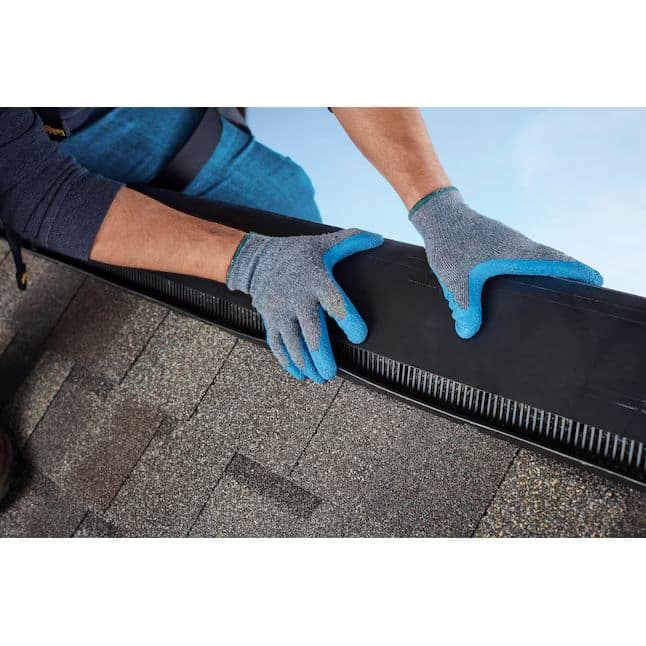
Vented drip edge installation gives Little Compton homes near South Shore Beach continuous intake airflow along the entire eave line while directing water into gutters. For coastal properties facing salt spray and wind-driven rain, this component provides critical protection where the roof meets the fascia board.
Vented drip edge replaces traditional drip edge with an engineered profile that includes a built-in ventilation channel. For Little Compton homes near South Shore Beach, this means continuous intake airflow from eave to ridge without relying on individual soffit vents that can become blocked by debris, paint, or insulation. The component channels water off the roof deck and into the gutter system while a perforated strip allows air to pass into the soffit cavity and up through the attic. Coastal Little Compton Building and Zoning Department (40 Commons, Little Compton, RI 02837) benefit from marine-rated materials that resist salt corrosion—a common failure point for standard aluminum components in shoreline communities. Pinnacle installs vented drip edge as part of complete ventilation systems, ensuring proper intake volume matches exhaust capacity for balanced airflow that prevents moisture accumulation and ice dam formation.
Roof Exhaust Fans installation provides Little Compton homes near South Shore Beach with powered exhaust airflow that actively removes heat and moisture from the attic. Coastal properties benefit from enhanced airflow management that combats salt-air moisture infiltration and the humidity levels that accelerate roof deterioration along Rhode Island’s shoreline.
Roof exhaust fans bring mechanical precision to attic ventilation in Little Compton Year-round homes near Sakonnet Point, providing controllable airflow that responds to conditions rather than depending on weather patterns. When summer heat builds, thermostat-triggered fans activate to pull superheated air through roof-mounted housings. During humid seasons, humidistat-equipped models detect rising moisture and respond before condensation forms on cold surfaces. For coastal properties where persistent humidity saturates attic spaces faster than passive systems can manage, powered exhaust provides the active moisture removal that prevents sheathing damage and mold growth. Pinnacle evaluates your attic’s specific needs, including volume, current ventilation balance, peak temperature exposure, and moisture sources, before recommending fan type, size, and placement that delivers optimal results for your Little Compton property.
For coastal homes in Little Compton near Sakonnet Bay, ridge vents deliver continuous passive exhaust ventilation along the full length of the roof peak. The marine environment demands ventilation components that maintain performance despite salt exposure, high humidity, and the powerful storms that sweep through Rhode Island’s coastal communities.
Ridge vents run along the full length of your Little Compton home’s roof peak near Sakonnet Bay, creating a continuous exhaust channel that leverages natural convection to remove hot, moist air from the attic. As warm air rises through the attic space, it exits through the ridge opening while external baffles prevent rain, snow, and wind from entering. This passive system operates silently, requires no energy, and distributes exhaust evenly across the entire attic rather than creating isolated ventilation points. Marine-rated ridge vent profiles with enhanced weather baffles resist the wind-driven rain coastal storms deliver, which is critical where standard profiles would allow water infiltration. Pinnacle installs ridge vents by cutting a precisely measured slot along the peak, applying the vent profile with manufacturer-specified fastening, and integrating the system with your existing intake ventilation for balanced airflow throughout your Little Compton home.
For coastal homes in Little Compton near Little Compton shoreline, soffit vents deliver essential intake ventilation through the eave overhang that feeds the entire attic airflow system. The marine environment demands ventilation components that maintain performance despite salt exposure, high humidity, and the powerful storms that sweep through Rhode Island’s coastal communities.
Every ventilation system begins with intake, and for Little Compton homes near Sakonnet Lighthouse, soffit vents provide the essential air entry point that all other components depend on. When soffit intake is inadequate, whether blocked by insulation, painted over, or simply undersized for the attic volume, the entire ventilation system underperforms regardless of how much exhaust capacity is installed above. Coastal homes face the additional challenge of salt-laden air entering through intake vents, requiring corrosion-resistant materials that maintain open airflow despite marine exposure and salt crystallization. Pinnacle addresses soffit ventilation comprehensively for Historic/historical homes in Little Compton: we measure existing intake capacity, calculate the net free area required for balanced airflow, and install vents that deliver consistent, reliable performance season after season.
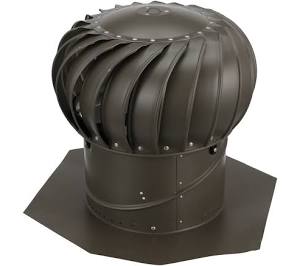
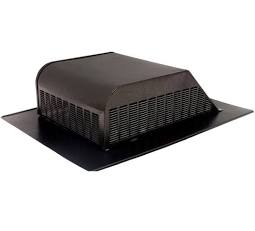
For coastal homes in Little Compton near Sakonnet Bay, roof vents (box vents and turbine vents) deliver targeted exhaust ventilation at specific points across the roof surface for localized heat and moisture removal. The marine environment demands ventilation components that maintain performance despite salt exposure, high humidity, and the powerful storms that sweep through Rhode Island’s coastal communities.
Box and turbine roof vents offer Little Compton homeowners near Sakonnet Point versatile exhaust solutions adaptable to virtually any roof configuration. Where ridge vents need continuous ridge length, box and turbine vents work individually on hip roofs, short ridge sections, and complex multi-level rooflines common among Rhode Island Farmhouses. Box vents provide baseline passive exhaust with each unit serving a calculated area of attic space. Turbine vents amplify this with wind-powered rotation that increases exhaust during conditions when ventilation demand is typically highest. Coastal wind patterns make turbine vents particularly effective, as consistent breezes power continuous exhaust that keeps salt-moistened attic air moving throughout the day. Pinnacle designs each Little Compton installation with manufacturer-specified spacing and airflow calculations that ensure complete attic coverage.


Rural-coastal requires fortress-grade components.
Selecting the right ventilation components for Little Compton homes near Sakonnet Bay requires understanding how each system performs in coastal conditions. Ridge vents provide continuous passive exhaust along the roof peak, making them ideal for simple gable roofs where wind patterns aid airflow. Roof exhaust fans add powered extraction for homes where passive ventilation alone cannot manage the high moisture loads of shoreline living. Soffit vents supply essential intake at the eave, while vented drip edge provides continuous intake where soffit depth is limited. Box vents and turbine vents offer targeted exhaust for complex roof geometries with multiple ridgelines or hip configurations. For Little Compton properties, Pinnacle often recommends combining ridge vents with continuous soffit intake as the foundation, supplemented by powered exhaust fans in moisture-prone areas. Salt-air-rated components are specified throughout to ensure long-term performance in the coastal environment.
Pinnacle Roofing & Skylights installs ventilation products from industry-leading manufacturers who engineer components for demanding environments. For Little Compton homes near Sakonnet Bay, we specify QuietCool whole-house fans that deliver exceptional airflow at whisper-quiet noise levels, reducing cooling costs while providing natural ventilation that replaces stale indoor air. Our ridge vent selections include Lomanco and Air Vent products with built-in baffles that prevent wind-driven rain infiltration—critical for coastal properties. Solar-powered exhaust fans from Remington Solar provide active attic ventilation without ongoing electrical costs, using panels rated for salt-air environments. Each manufacturer we partner with meets our standards for durability, performance, and warranty coverage, ensuring Little Compton homeowners receive ventilation components that deliver long-term value in the coastal Rhode Island climate.
Rural-coastal coordinates marine-grade components.
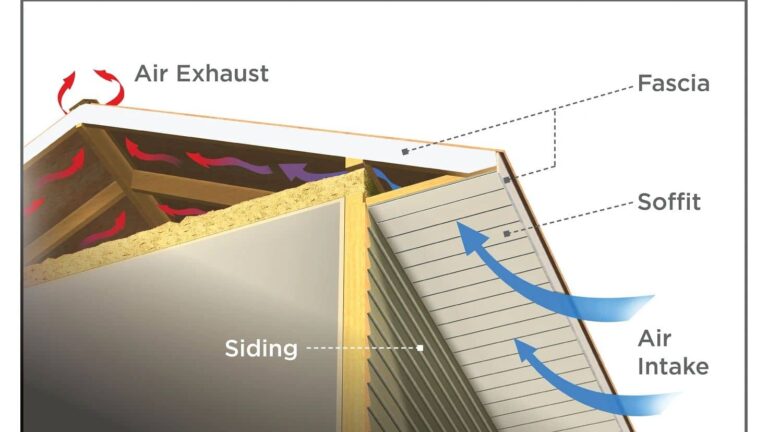
A complete ventilation system for Little Compton homes near Sakonnet Bay integrates intake, exhaust, and airflow pathways into a coordinated network that protects the entire roof structure. Intake components—soffit vents or vented drip edge—bring fresh air into the attic at the eave. This air flows upward across the underside of the roof deck, absorbing heat and moisture, before exiting through exhaust components at or near the ridge. The system works because warm air naturally rises, creating a continuous convection cycle that keeps attic conditions manageable year-round. For coastal properties, Pinnacle designs systems where intake and exhaust are balanced—measured in net free area—so that neither side restricts airflow. We also ensure baffles keep insulation from blocking intake pathways, maintaining consistent performance even as insulation settles over time.
Pinnacle’s ventilation installation process for Little Compton homes near Sakonnet Bay begins with a comprehensive attic assessment. We measure attic square footage, evaluate existing ventilation components, check insulation condition and depth, and identify any moisture damage or mold growth that indicates current ventilation failure. Using these measurements, we calculate the net free area required for balanced intake and exhaust airflow specific to your home’s roof geometry. For coastal properties, we also assess salt-air exposure and specify marine-rated components where needed. The installation itself follows manufacturer specifications precisely—ridge vents are cut to proper width, exhaust fans are flashed and sealed against wind-driven rain, and soffit vents or drip edge intake systems are positioned to provide unobstructed airflow. After installation, we verify system performance and ensure all components are integrated into a cohesive ventilation network that protects your Little Compton home year-round.
The coastal climate in Little Compton creates persistent ventilation problems that many homeowners overlook until damage becomes visible. Salt-laden moisture migrating into attic spaces near Little Compton shoreline accelerates corrosion of metal fasteners, promotes mold growth in sheathing, and degrades insulation performance—issues that proper ridge and soffit ventilation systems prevent.
Homeowners in Little Compton near South Shore Beach often discover ventilation problems through secondary symptoms rather than visible component failure. Mold growth on attic wood surfaces indicates moisture that proper ventilation would remove. Peeling exterior paint near the roofline suggests moisture migrating through wall cavities where it escapes through paint film—a sign that attic humidity is not being managed. In coastal {h}, salt crystallization inside the attic is a serious indicator of marine moisture infiltrating unchecked. Ice formations along fascia boards during winter months reveal the classic ventilation-driven ice dam pattern—attic heat warming the roof surface while the unheated eave stays cold. Pinnacle traces each symptom to its ventilation cause and addresses the root problem rather than just the visible damage.
Coastal-agricultural components face combined stress.
Ventilation component lifespan for Little Compton homes near Sakonnet Point varies by type, material, and environmental exposure. Ridge vents in high-grade polymer or aluminum typically serve 20 to 30 years—essentially matching the roof system they protect. Soffit vents provide comparable longevity with minimal maintenance—though salt exposure may shorten metal component life. Powered exhaust fans have mechanical components that typically need service or replacement within 10 to 15 years, with solar models often outlasting electric units due to simpler mechanics. QuietCool whole-house fans are engineered for 15 to 20 years of reliable operation. Box vents and turbine vents deliver 15 to 25 years of service, though turbine bearings may need attention before the housing shows wear. Pinnacle recommends inspecting all ventilation components during routine roof maintenance to catch aging before it compromises the airflow balance protecting your Little Compton home.
Aging ventilation in Little Compton invites rapid failure.
Several warning signs tell Little Compton homeowners near Sakonnet Point that ventilation components need replacement rather than repair. Attic inspections revealing widespread condensation, mold on sheathing, or darkened wood rafters indicate ventilation has been inadequate for an extended period. Visible daylight through ridge vent caps suggests baffle failure that compromises weather protection. Exhaust fans producing more noise than airflow have reached end of life. Salt-corroded fasteners and brackets weaken mounting integrity. Energy bills rising without other explanation often point to ventilation decline forcing HVAC systems to compensate. Pinnacle’s assessment of your Little Compton property identifies not just what needs replacement, but the priority order that delivers the most value—addressing the components causing the greatest performance loss first while planning for future upgrades.
Pinnacle’s coastal experience includes rural-agricultural challenges.
Pinnacle Roofing & Skylights brings Little Compton homeowners near South Shore Beach the combination of ventilation expertise, quality materials, and local knowledge that coastal properties demand. Our crews understand how salt air, persistent humidity, and powerful storms affect ventilation system performance—and we design installations that account for these conditions from the start. As authorized QuietCool installers, we provide whole-house cooling solutions that dramatically reduce energy costs while improving indoor air quality. Every ventilation project receives a thorough attic assessment, engineered system design, and professional installation backed by manufacturer warranties and our own workmanship guarantee. We use marine-rated components where coastal exposure demands them, ensuring long-term durability that standard materials cannot provide. Pinnacle’s commitment to transparency means you receive a detailed written proposal explaining every component, its purpose, and the expected results before any work begins.
Rural-coastal ventilation costs more for marine-grade.
Every Little Compton home near Sakonnet Bay presents unique ventilation requirements that influence project cost. Roof pitch, attic square footage, existing ventilation condition, and the type of system best suited for coastal exposure all factor into your estimate. Whether you need basic ridge and soffit venting, powered exhaust fans, or a complete QuietCool whole-house cooling system, Pinnacle provides transparent pricing with itemized proposals. Our on-site assessment identifies the most effective and cost-efficient approach for your specific property. Financing through Synchrony Financial is available to help Little Compton homeowners invest in proper ventilation without straining household budgets.
Storm-Damaged Roofs Require Fast Action
When you find storm damage on your roof in Rhode Island, swift action can be crucial. Contacting trusted roofing professionals like us for a thorough inspection. Our expert team will assess the damage and determine if roof repairs or roof replacement is recommended. With New England’s predictably unpredictable weather, it is important repairs happen quickly to prevent further loss.