nn
Skip to content
Ask most homeowners about roof ventilation and they picture the ridge vent along the peak. But a ridge vent is
Most people think of roof ventilation as a summer concern — letting heat out of a hot attic. But ventilation
The most expensive damage bad ventilation causes is the part you never see: the plywood deck under the shingles, quietly
Properties near Ninigret Park and the salt ponds experience moisture loads influenced by both ocean breezes and inland marsh humidity. Pinnacle designs ventilation that handles Charlestown’s unique combination—salty air from coastal exposure mixed with dense moisture from protected conservation lands—creating conditions few other communities face.
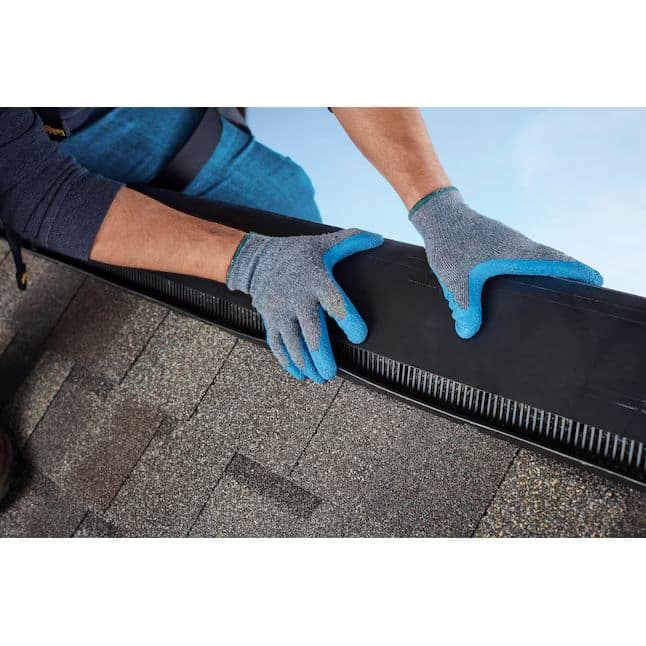
Vented drip edge installation gives Charlestown homes near Burlingame State Park continuous intake airflow along the entire eave line while directing water into gutters. For coastal properties facing salt spray and wind-driven rain, this component provides critical protection where the roof meets the fascia board.
Installing vented drip edge on Charlestown homes near Burlingame State Park addresses two critical vulnerabilities where the roof meets the eave. First, it provides a continuous water management surface that directs runoff into gutters without allowing moisture to wick back under shingles. Second, its integrated ventilation channel supplies fresh air intake along the entire roofline—something individual soffit vents cannot achieve with the same consistency. For coastal Custom homes, Pinnacle specifies corrosion-resistant materials rated for salt air exposure, ensuring the ventilation pathway remains clear for years. The continuous design also prevents debris blockage that plagues traditional soffit vents in homes near trees, making it an ideal solution for Charlestown properties that need reliable intake airflow through every season.
Roof Exhaust Fans installation provides Charlestown homes near Burlingame State Park with powered exhaust airflow that actively removes heat and moisture from the attic. Coastal properties benefit from enhanced airflow management that combats salt-air moisture infiltration and the humidity levels that accelerate roof deterioration along Rhode Island’s shoreline.
Roof exhaust fans installed on Charlestown homes near Schoolhouse Pond use electric or solar-powered motors to actively draw hot, moist air from the attic space. Unlike passive vents that depend on natural convection, powered exhaust creates consistent airflow regardless of wind conditions or temperature differentials. For coastal properties where persistent humidity saturates attic spaces faster than passive systems can manage, powered exhaust provides the active moisture removal that prevents sheathing damage and mold growth. Pinnacle calculates the cubic feet per minute rating needed for your attic volume and selects fan units that deliver adequate exhaust without creating negative pressure that pulls conditioned air from living spaces. Solar models are particularly effective in coastal settings, using abundant daylight hours to power ventilation when attic heat peaks during long summer days. Professional installation includes weatherproof flashing, proper roof penetration sealing, and electrical connections that meet all code requirements for Charlestown homes.
For coastal homes in Charlestown near Ninigret Park, ridge vents deliver continuous passive exhaust ventilation along the full length of the roof peak. The marine environment demands ventilation components that maintain performance despite salt exposure, high humidity, and the powerful storms that sweep through Rhode Island’s coastal communities.
Ridge vents run along the full length of your Charlestown home’s roof peak near Schoolhouse Pond, creating a continuous exhaust channel that leverages natural convection to remove hot, moist air from the attic. As warm air rises through the attic space, it exits through the ridge opening while external baffles prevent rain, snow, and wind from entering. This passive system operates silently, requires no energy, and distributes exhaust evenly across the entire attic rather than creating isolated ventilation points. Marine-rated ridge vent profiles with enhanced weather baffles resist the wind-driven rain coastal storms deliver, which is critical where standard profiles would allow water infiltration. Pinnacle installs ridge vents by cutting a precisely measured slot along the peak, applying the vent profile with manufacturer-specified fastening, and integrating the system with your existing intake ventilation for balanced airflow throughout your Charlestown home.

For coastal homes in Charlestown near Ninigret Park, soffit vents deliver essential intake ventilation through the eave overhang that feeds the entire attic airflow system. The marine environment demands ventilation components that maintain performance despite salt exposure, high humidity, and the powerful storms that sweep through Rhode Island’s coastal communities.
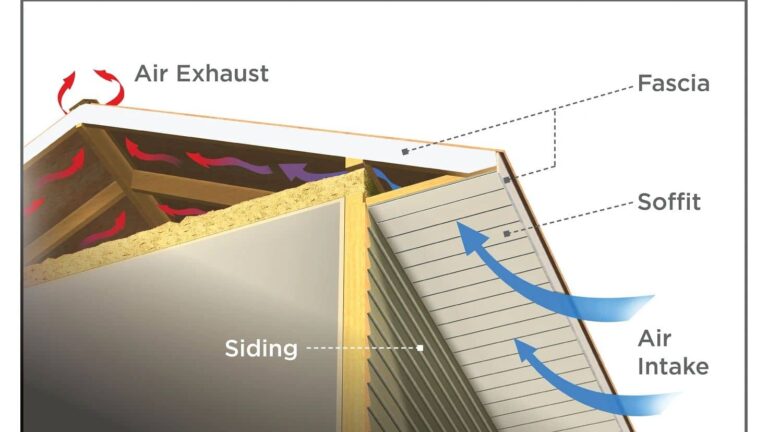
The intake ventilation provided by soffit vents determines how well the entire attic airflow system functions in your Charlestown home near Ninigret Park. Air enters at the soffit, travels upward across the roof deck absorbing heat and moisture, then exits at the ridge. Restricting intake at the soffit starves the entire system because exhaust vents cannot pull air if there is no fresh air available to replace what leaves. Pinnacle evaluates your existing soffit configuration, measuring net free area and comparing it to exhaust capacity. Coastal homes face the additional challenge of salt-laden air entering through intake vents, requiring corrosion-resistant materials that maintain open airflow despite marine exposure and salt crystallization. Proper insulation baffles at every intake point ensure the air pathway remains clear as insulation settles over time in your Charlestown attic.

For coastal homes in Charlestown near Ninigret Park, roof vents (box vents and turbine vents) deliver targeted exhaust ventilation at specific points across the roof surface for localized heat and moisture removal. The marine environment demands ventilation components that maintain performance despite salt exposure, high humidity, and the powerful storms that sweep through Rhode Island’s coastal communities.
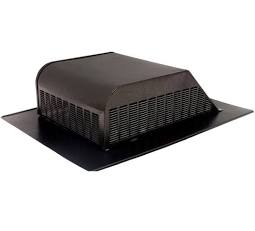
Box vents and turbine vents provide targeted exhaust ventilation for Charlestown homes near Ninigret Park where ridge vent installation is impractical or supplemental exhaust is needed. Box vents are static openings with weather-protective caps that allow hot air to exit the attic through natural convection. Turbine vents add a wind-driven rotary mechanism that increases exhaust volume when breezes spin the turbine head, creating active ventilation without electricity. Coastal wind patterns make turbine vents particularly effective, as consistent breezes power continuous exhaust that keeps salt-moistened attic air moving throughout the day. Pinnacle positions these vents using calculated spacing that ensures even exhaust distribution without creating zones of negative pressure that pull conditioned air from below in your Charlestown home.

Charlestown’s salt-pond environment demands coastal-grade ventilation throughout.
Selecting the right ventilation components for Charlestown homes near Ninigret Park requires understanding how each system performs in coastal conditions. Ridge vents provide continuous passive exhaust along the roof peak, making them ideal for simple gable roofs where wind patterns aid airflow. Roof exhaust fans add powered extraction for homes where passive ventilation alone cannot manage the high moisture loads of shoreline living. Soffit vents supply essential intake at the eave, while vented drip edge provides continuous intake where soffit depth is limited. Box vents and turbine vents offer targeted exhaust for complex roof geometries with multiple ridgelines or hip configurations. For Charlestown properties, Pinnacle often recommends combining ridge vents with continuous soffit intake as the foundation, supplemented by powered exhaust fans in moisture-prone areas. Salt-air-rated components are specified throughout to ensure long-term performance in the coastal environment.
Pinnacle Roofing & Skylights installs ventilation products from industry-leading manufacturers who engineer components for demanding environments. For Charlestown homes near Ninigret Park, we specify QuietCool whole-house fans that deliver exceptional airflow at whisper-quiet noise levels, reducing cooling costs while providing natural ventilation that replaces stale indoor air. Our ridge vent selections include Lomanco and Air Vent products with built-in baffles that prevent wind-driven rain infiltration—critical for coastal properties. Solar-powered exhaust fans from Remington Solar provide active attic ventilation without ongoing electrical costs, using panels rated for salt-air environments. Each manufacturer we partner with meets our standards for durability, performance, and warranty coverage, ensuring Charlestown homeowners receive ventilation components that deliver long-term value in the coastal Rhode Island climate.
Charlestown ventilation must balance coastal performance with salt-pond humidity.
A complete ventilation system for Charlestown homes near Ninigret Park integrates intake, exhaust, and airflow pathways into a coordinated network that protects the entire roof structure. Intake components—soffit vents or vented drip edge—bring fresh air into the attic at the eave. This air flows upward across the underside of the roof deck, absorbing heat and moisture, before exiting through exhaust components at or near the ridge. The system works because warm air naturally rises, creating a continuous convection cycle that keeps attic conditions manageable year-round. For coastal properties, Pinnacle designs systems where intake and exhaust are balanced—measured in net free area—so that neither side restricts airflow. We also ensure baffles keep insulation from blocking intake pathways, maintaining consistent performance even as insulation settles over time.
Pinnacle’s ventilation installation process for Charlestown homes near Ninigret Park begins with a comprehensive attic assessment. We measure attic square footage, evaluate existing ventilation components, check insulation condition and depth, and identify any moisture damage or mold growth that indicates current ventilation failure. Using these measurements, we calculate the net free area required for balanced intake and exhaust airflow specific to your home’s roof geometry. For coastal properties, we also assess salt-air exposure and specify marine-rated components where needed. The installation itself follows manufacturer specifications precisely—ridge vents are cut to proper width, exhaust fans are flashed and sealed against wind-driven rain, and soffit vents or drip edge intake systems are positioned to provide unobstructed airflow. After installation, we verify system performance and ensure all components are integrated into a cohesive ventilation network that protects your Charlestown home year-round.
The coastal climate in Charlestown creates persistent ventilation problems that many homeowners overlook until damage becomes visible. Salt-laden moisture migrating into attic spaces near Burlingame State Park accelerates corrosion of metal fasteners, promotes mold growth in sheathing, and degrades insulation performance—issues that proper ridge and soffit ventilation systems prevent.
Homeowners in Charlestown near Schoolhouse Pond often discover ventilation problems through secondary symptoms rather than visible component failure. Mold growth on attic wood surfaces indicates moisture that proper ventilation would remove. Peeling exterior paint near the roofline suggests moisture migrating through wall cavities where it escapes through paint film—a sign that attic humidity is not being managed. In coastal {h}, salt crystallization inside the attic is a serious indicator of marine moisture infiltrating unchecked. Ice formations along fascia boards during winter months reveal the classic ventilation-driven ice dam pattern—attic heat warming the roof surface while the unheated eave stays cold. Pinnacle traces each symptom to its ventilation cause and addresses the root problem rather than just the visible damage.
Charlestown’s combined salt and marsh exposure accelerates vent deterioration significantly.
Each ventilation component on your Charlestown home near Ninigret Park has a predictable service life that professional installation and maintenance can maximize. Ridge vents are the most durable exhaust component, serving 20 to 30 years because they have no mechanical parts to wear out. Their performance depends on baffle integrity and seal condition rather than mechanical function. Soffit vents and vented drip edge similarly last decades when installed with proper materials—salt-rated for coastal environments. Electric exhaust fans work harder and wear faster, with motors typically requiring replacement within 10 to 15 years. Solar exhaust fans extend this timeline by reducing mechanical complexity and eliminating electrical connections that can corrode. QuietCool whole-house fans deliver 15 to 20 years of service when maintained according to manufacturer specifications. Pinnacle tracks the age and condition of every component installed on Charlestown Shingle-sided homes, recommending replacement before failing parts compromise the ventilation system’s ability to protect your roof.

Many Charlestown properties need ventilation replacement due to salt-and-moisture corrosion.

Knowing when to replace ventilation components on your Charlestown home near Ninigret Park prevents the cascading damage that failing systems allow. Physical signs include corroded or rusted metal components—common where salt exposure degrades unprotected hardware, cracked vent housings that no longer seal against weather, exhaust fan motors that grind or cycle erratically, and ridge vents with lifted edges or damaged baffles. Performance symptoms matter equally: persistent attic moisture despite no roof leaks, ice dams forming during Charlestown winters, upper floors that stay uncomfortably warm despite adequate air conditioning, and energy bills trending upward all point to ventilation capacity dropping below effective levels. Pinnacle evaluates the complete system—from salt-exposed ridge caps to marine-grade exhaust components—identifying which components need replacement and which continue functioning effectively, ensuring your investment targets the upgrades that deliver measurable improvement.

Pinnacle understands Charlestown’s unique salt-pond ventilation challenges thoroughly.
We hold CertainTeed SELECT ShingleMaster status—earned by only the top 1% nationally. We’re an authorized QuietCool dealer with direct manufacturer training. Our A+ BBB rating reflects consistent Charlestown customer satisfaction. We’re licensed (Residential #39446, Commercial #261), maintain NRCA/RIBA membership, and stand behind all work with warranties. Charlestown homeowners trust us because we’ve solved hundreds of ventilation problems in similar communities.
Salt-resistant ventilation in Charlestown costs more but provides substantially longer service life.
Ventilation costs for Charlestown homes vary based on system complexity, roof configuration, and the specific coastal conditions affecting your property near Ninigret Park. Factors include the number of intake and exhaust points needed, whether whole-house fan installation is included, the condition of existing soffit and ridge structures, and any salt-air-rated component upgrades required for coastal durability. Pinnacle provides detailed written estimates after a thorough on-site inspection, breaking down material and labor costs so you understand exactly what your ventilation investment covers. We also offer financing options through Synchrony Financial to make ventilation improvements accessible for Charlestown homeowners.
Storm-Damaged Roofs Require Fast Action
When you find storm damage on your roof in Rhode Island, swift action can be crucial. Contacting trusted roofing professionals like us for a thorough inspection. Our expert team will assess the damage and determine if roof repairs or roof replacement is recommended. With New England’s predictably unpredictable weather, it is important repairs happen quickly to prevent further loss.