nn
Skip to content
Ask most homeowners about roof ventilation and they picture the ridge vent along the peak. But a ridge vent is
Most people think of roof ventilation as a summer concern — letting heat out of a hot attic. But ventilation
The most expensive damage bad ventilation causes is the part you never see: the plywood deck under the shingles, quietly
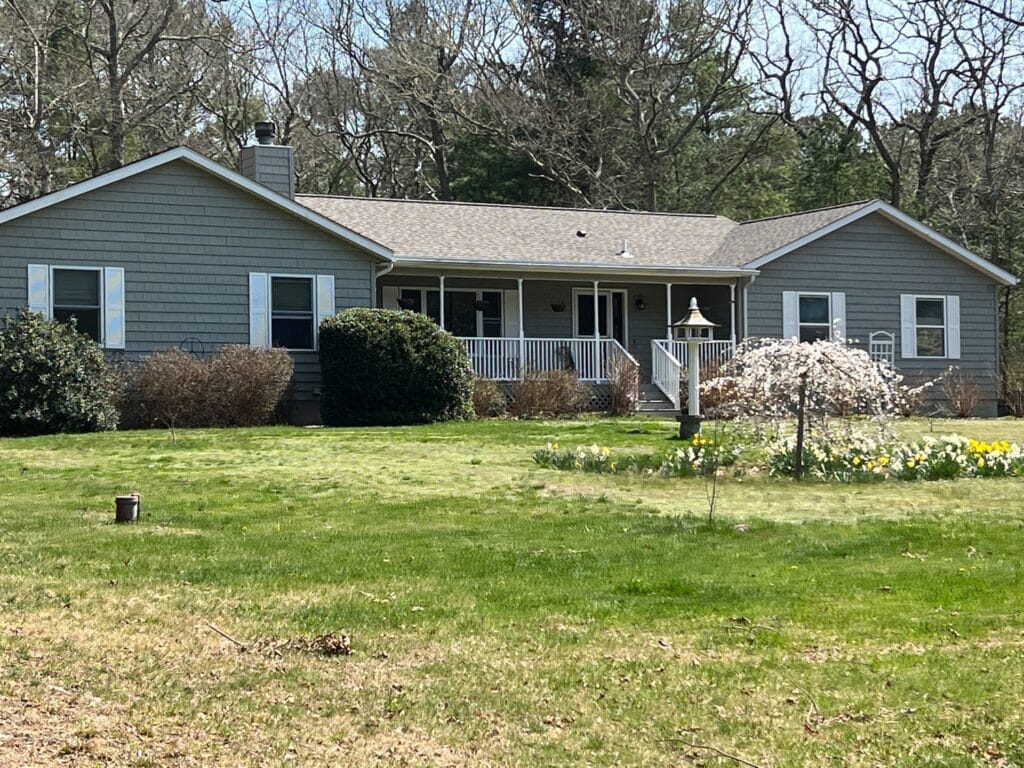
Richmond’s extensive farmland, pristine forests, and minimal development create a unique opportunity for efficient ventilation design. Rural Richmond homes often have generous space for soffit and ridge vent installation without visual intrusion. We design systems that leverage Richmond’s natural convection patterns and clean air quality. QuietCool whole-house fans operate silently here, where outdoor noise is already minimal.
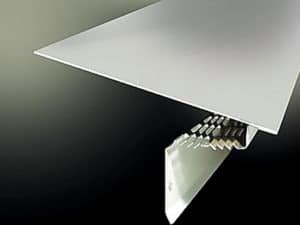
Along the roofline of Richmond homes near Rivers and forests, vented drip edge serves dual purposes—channeling rainwater away from fascia while allowing fresh air to enter the attic through a continuous intake strip. This is especially critical for coastal properties where salt exposure accelerates wood deterioration at the eave.
Vented drip edge replaces traditional drip edge with an engineered profile that includes a built-in ventilation channel. For Richmond homes near Rivers and forests, this means continuous intake airflow from eave to ridge without relying on individual soffit vents that can become blocked by debris, paint, or insulation. The component channels water off the roof deck and into the gutter system while a perforated strip allows air to pass into the soffit cavity and up through the attic. Coastal Cedar and clapboard homes benefit from marine-rated materials that resist salt corrosion—a common failure point for standard aluminum components in shoreline communities. Pinnacle installs vented drip edge as part of complete ventilation systems, ensuring proper intake volume matches exhaust capacity for balanced airflow that prevents moisture accumulation and ice dam formation.
Roof Exhaust Fans installation provides Richmond homes near Rivers and forests with powered exhaust airflow that actively removes heat and moisture from the attic. Coastal properties benefit from enhanced airflow management that combats salt-air moisture infiltration and the humidity levels that accelerate roof deterioration along Rhode Island’s shoreline.
Powered roof exhaust fans transform attic ventilation for Cedar and clapboard homes in Richmond near Washington County Fairgrounds by adding active air extraction where passive systems fall short. A motor-driven fan mounted through the roof deck pulls heated, humid air from the attic and expels it outdoors, lowering temperatures and reducing moisture that damages roof components. The effectiveness depends on proper sizing: too small a fan cannot manage the attic volume, while an oversized unit creates negative pressure pulling conditioned air through ceiling penetrations. For coastal properties where persistent humidity saturates attic spaces faster than passive systems can manage, powered exhaust provides the active moisture removal that prevents sheathing damage and mold growth. Pinnacle sizes every exhaust fan installation to your Richmond home’s specific dimensions. Solar models are particularly effective in coastal settings, using abundant daylight hours to power ventilation when attic heat peaks during long summer days. Electric models with humidistats respond to moisture levels as well as temperature, providing year-round protection for Richmond roofs.


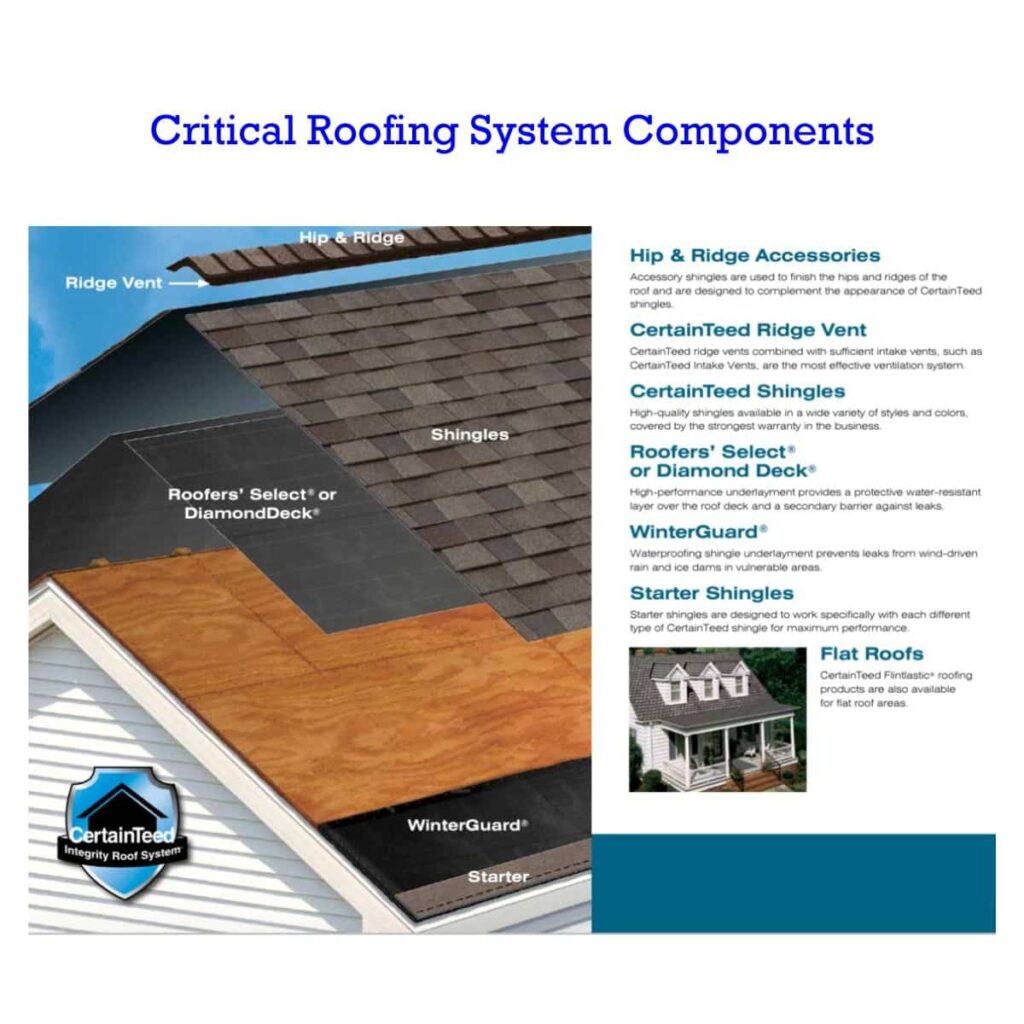
For coastal homes in Richmond near Carolina village, ridge vents deliver continuous passive exhaust ventilation along the full length of the roof peak. The marine environment demands ventilation components that maintain performance despite salt exposure, high humidity, and the powerful storms that sweep through Rhode Island’s coastal communities.
For Cedar and clapboard homes in Richmond near Carolina village, ridge vents represent the standard in passive exhaust ventilation. Their continuous design eliminates the hot spots and dead zones that discrete vents create, providing uniform airflow management across the entire attic ceiling plane. The installation requires precision: a slot cut along the roof peak must be the correct width to provide adequate airflow without weakening the ridge board, and the vent profile must be fastened and sealed to prevent both water infiltration and wind uplift. Marine-rated ridge vent profiles with enhanced weather baffles resist the wind-driven rain coastal storms deliver, which is critical where standard profiles would allow water infiltration. Pinnacle ridge vent installations consistently deliver the balanced, quiet, maintenance-free exhaust that Richmond homeowners value most.
Soffit Vents installation provides Richmond homes near Rivers and forests with essential intake ventilation through the eave overhang that feeds the entire attic airflow system. Coastal properties benefit from enhanced airflow management that combats salt-air moisture infiltration and the humidity levels that accelerate roof deterioration along Rhode Island’s shoreline.
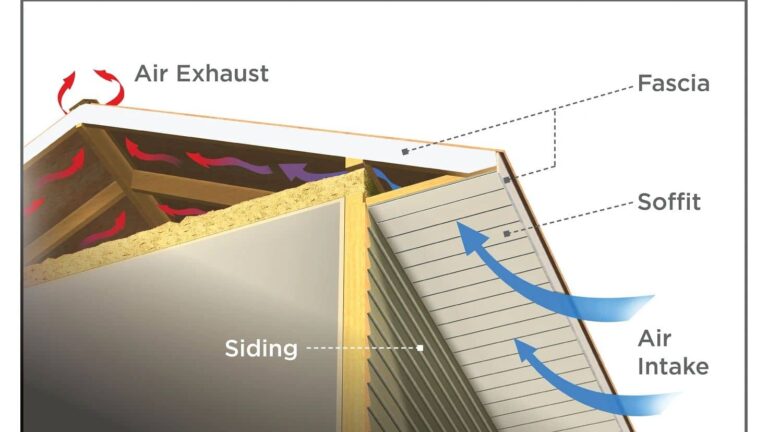
Soffit vents installed on Colonials in Richmond near Rivers and forests serve as the air intake engine that powers the entire attic ventilation circuit. Fresh outside air enters through perforated panels in the soffit overhang, flows through channels maintained by insulation baffles, spreads across the attic cavity, absorbs heat and moisture from surrounding surfaces, and exits through exhaust vents above. The process is continuous and self-sustaining as long as intake and exhaust remain balanced and unobstructed. Coastal homes face the additional challenge of salt-laden air entering through intake vents, requiring corrosion-resistant materials that maintain open airflow despite marine exposure and salt crystallization. Pinnacle installs soffit vents with attention to the details that determine long-term performance for every Richmond property we service.
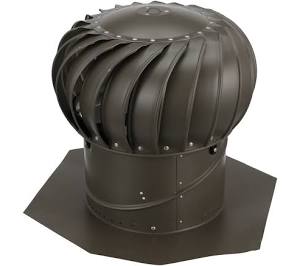
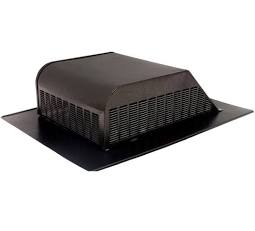
For coastal homes in Richmond near Wyoming (nearby), roof vents (box vents and turbine vents) deliver targeted exhaust ventilation at specific points across the roof surface for localized heat and moisture removal. The marine environment demands ventilation components that maintain performance despite salt exposure, high humidity, and the powerful storms that sweep through Rhode Island’s coastal communities.
Box and turbine roof vents offer Richmond homeowners near Wyoming (nearby) versatile exhaust solutions adaptable to virtually any roof configuration. Where ridge vents need continuous ridge length, box and turbine vents work individually on hip roofs, short ridge sections, and complex multi-level rooflines common among Rhode Island Colonials. Box vents provide baseline passive exhaust with each unit serving a calculated area of attic space. Turbine vents amplify this with wind-powered rotation that increases exhaust during conditions when ventilation demand is typically highest. Coastal wind patterns make turbine vents particularly effective, as consistent breezes power continuous exhaust that keeps salt-moistened attic air moving throughout the day. Pinnacle designs each Richmond installation with manufacturer-specified spacing and airflow calculations that ensure complete attic coverage.
Richmond’s ventilation strategy emphasizes passive systems suited to rural character.
Selecting the right ventilation components for Richmond homes near Wyoming (nearby) requires understanding how each system performs in coastal conditions. Ridge vents provide continuous passive exhaust along the roof peak, making them ideal for simple gable roofs where wind patterns aid airflow. Roof exhaust fans add powered extraction for homes where passive ventilation alone cannot manage the high moisture loads of shoreline living. Soffit vents supply essential intake at the eave, while vented drip edge provides continuous intake where soffit depth is limited. Box vents and turbine vents offer targeted exhaust for complex roof geometries with multiple ridgelines or hip configurations. For Richmond properties, Pinnacle often recommends combining ridge vents with continuous soffit intake as the foundation, supplemented by powered exhaust fans in moisture-prone areas. Salt-air-rated components are specified throughout to ensure long-term performance in the coastal environment.
Pinnacle Roofing & Skylights installs ventilation products from industry-leading manufacturers who engineer components for demanding environments. For Richmond homes near Wyoming (nearby), we specify QuietCool whole-house fans that deliver exceptional airflow at whisper-quiet noise levels, reducing cooling costs while providing natural ventilation that replaces stale indoor air. Our ridge vent selections include Lomanco and Air Vent products with built-in baffles that prevent wind-driven rain infiltration—critical for coastal properties. Solar-powered exhaust fans from Remington Solar provide active attic ventilation without ongoing electrical costs, using panels rated for salt-air environments. Each manufacturer we partner with meets our standards for durability, performance, and warranty coverage, ensuring Richmond homeowners receive ventilation components that deliver long-term value in the coastal Rhode Island climate.
Your Richmond ventilation system creates a complete, passive air exchange loop.
Soffit vents supply fresh outside air; ridge vents expel warm, humid air. Whole-house fans optionally accelerate this cycle during shoulder seasons. Vented drip edge protects roof edges in Richmond’s wet environment. When coordinated, this system prevents moisture damage while maintaining rural character.
Pinnacle’s ventilation installation process for Richmond homes near Wyoming (nearby) begins with a comprehensive attic assessment. We measure attic square footage, evaluate existing ventilation components, check insulation condition and depth, and identify any moisture damage or mold growth that indicates current ventilation failure. Using these measurements, we calculate the net free area required for balanced intake and exhaust airflow specific to your home’s roof geometry. For coastal properties, we also assess salt-air exposure and specify marine-rated components where needed. The installation itself follows manufacturer specifications precisely—ridge vents are cut to proper width, exhaust fans are flashed and sealed against wind-driven rain, and soffit vents or drip edge intake systems are positioned to provide unobstructed airflow. After installation, we verify system performance and ensure all components are integrated into a cohesive ventilation network that protects your Richmond home year-round.
Coastal properties in Richmond near Arcadia (nearby area) experience ventilation failures at higher rates than inland homes due to salt spray corrosion and wind-driven moisture infiltration. Inadequate attic airflow traps humidity against roof sheathing, creating conditions for ice dams in winter and excessive heat buildup in summer that damages shingles from below.
The most common ventilation problem in Richmond Cedar and clapboard homes near Wyoming (nearby) is imbalance between intake and exhaust capacity. When exhaust exceeds intake, the attic develops negative pressure that pulls conditioned air from the living space through ceiling penetrations—increasing energy costs without improving ventilation effectiveness. When intake exceeds exhaust, fresh air enters at the eave but has nowhere to exit efficiently, creating dead zones where heat and moisture accumulate. Coastal wind patterns can amplify these imbalances by driving air through one side of the attic and starving the other. Beyond imbalance, common problems include blocked soffit vents, deteriorated exhaust components, and insulation covering intake pathways. Pinnacle diagnoses the specific failures affecting your Richmond home and designs corrections that restore proper airflow circulation.
Richmond ventilation components last 20-30 years in this protected rural environment.
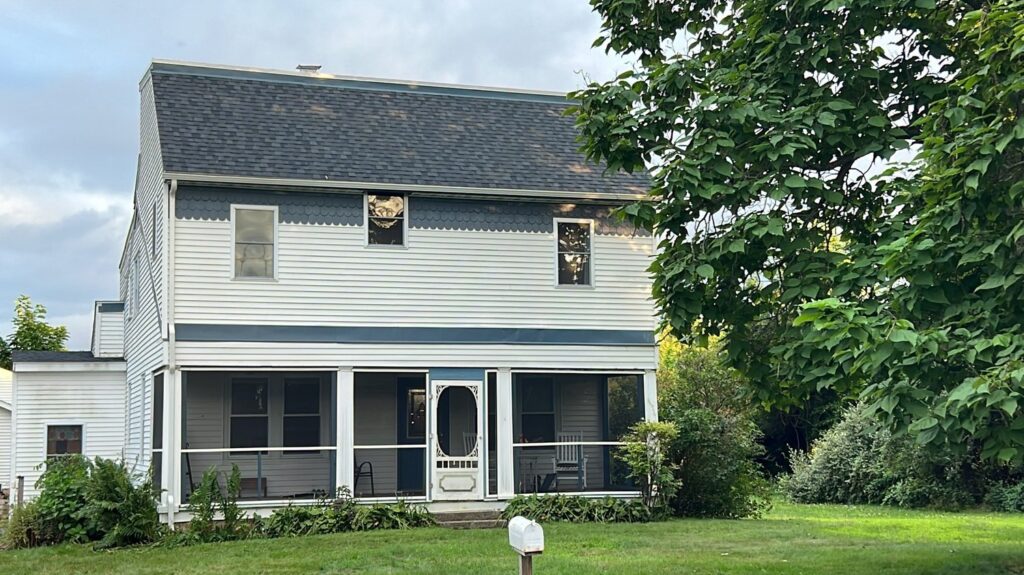
Each ventilation component on your Richmond home near Rivers and forests has a predictable service life that professional installation and maintenance can maximize. Ridge vents are the most durable exhaust component, serving 20 to 30 years because they have no mechanical parts to wear out. Their performance depends on baffle integrity and seal condition rather than mechanical function. Soffit vents and vented drip edge similarly last decades when installed with proper materials—salt-rated for coastal environments. Electric exhaust fans work harder and wear faster, with motors typically requiring replacement within 10 to 15 years. Solar exhaust fans extend this timeline by reducing mechanical complexity and eliminating electrical connections that can corrode. QuietCool whole-house fans deliver 15 to 20 years of service when maintained according to manufacturer specifications. Pinnacle tracks the age and condition of every component installed on Richmond Modern homes on newer streets, recommending replacement before failing parts compromise the ventilation system’s ability to protect your roof.
Replace Richmond ventilation when moisture, visible rot, or system failure appears.
Knowing when to replace ventilation components on your Richmond home near Arcadia (nearby area) prevents the cascading damage that failing systems allow. Physical signs include corroded or rusted metal components—common where salt exposure degrades unprotected hardware, cracked vent housings that no longer seal against weather, exhaust fan motors that grind or cycle erratically, and ridge vents with lifted edges or damaged baffles. Performance symptoms matter equally: persistent attic moisture despite no roof leaks, ice dams forming during Richmond winters, upper floors that stay uncomfortably warm despite adequate air conditioning, and energy bills trending upward all point to ventilation capacity dropping below effective levels. Pinnacle evaluates the complete system—from salt-exposed ridge caps to marine-grade exhaust components—identifying which components need replacement and which continue functioning effectively, ensuring your investment targets the upgrades that deliver measurable improvement.
Pinnacle Roofing & Skylights understands Richmond’s rural landscape and agricultural heritage.
Richmond’s wooded setting demands aggressive ventilation—we specialize in ice-dam prevention and heavy-moisture solutions. Our team has installed hundreds of systems designed for wooded properties and understands the specific challenges your Richmond location faces. CertainTeed SELECT ShingleMaster status and QuietCool authorization back every installation. A+ BBB rating, NRCA/RIBA membership, and full RI registrations ensure professional accountability.
Richmond ventilation costs reflect straightforward rural rooflines and accessible installation.
Ventilation costs for Richmond homes vary based on system complexity, roof configuration, and the specific coastal conditions affecting your property near Carolina village. Factors include the number of intake and exhaust points needed, whether whole-house fan installation is included, the condition of existing soffit and ridge structures, and any salt-air-rated component upgrades required for coastal durability. Pinnacle provides detailed written estimates after a thorough on-site inspection, breaking down material and labor costs so you understand exactly what your ventilation investment covers. We also offer financing options through Synchrony Financial to make ventilation improvements accessible for Richmond homeowners.
Storm-Damaged Roofs Require Fast Action
When you find storm damage on your roof in Rhode Island, swift action can be crucial. Contacting trusted roofing professionals like us for a thorough inspection. Our expert team will assess the damage and determine if roof repairs or roof replacement is recommended. With New England’s predictably unpredictable weather, it is important repairs happen quickly to prevent further loss.